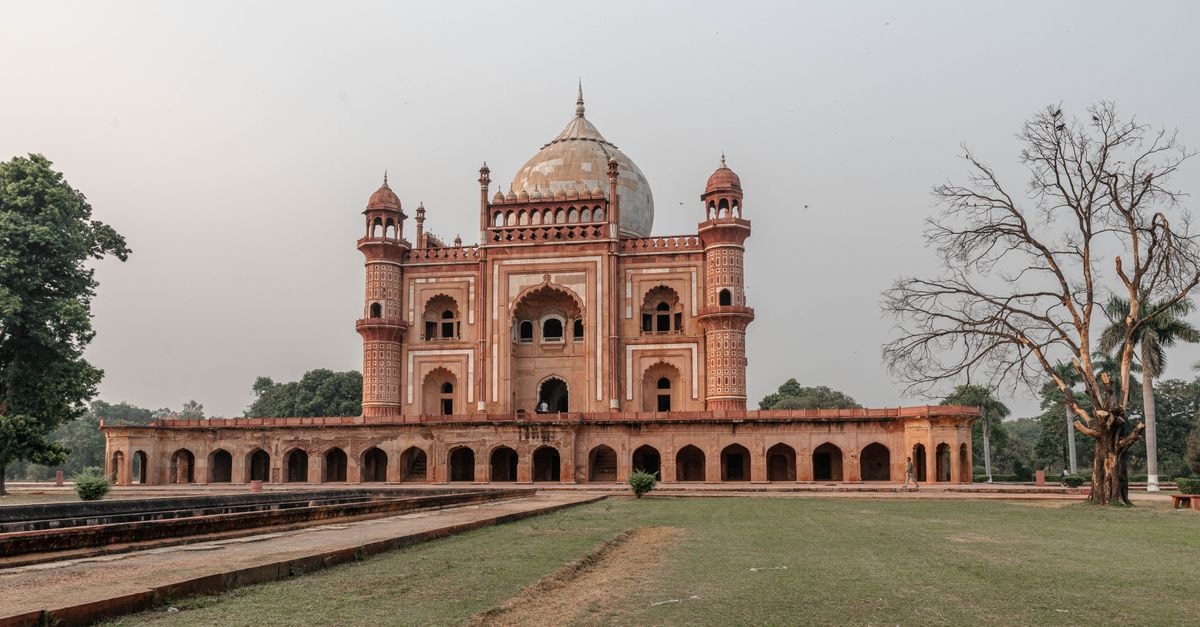
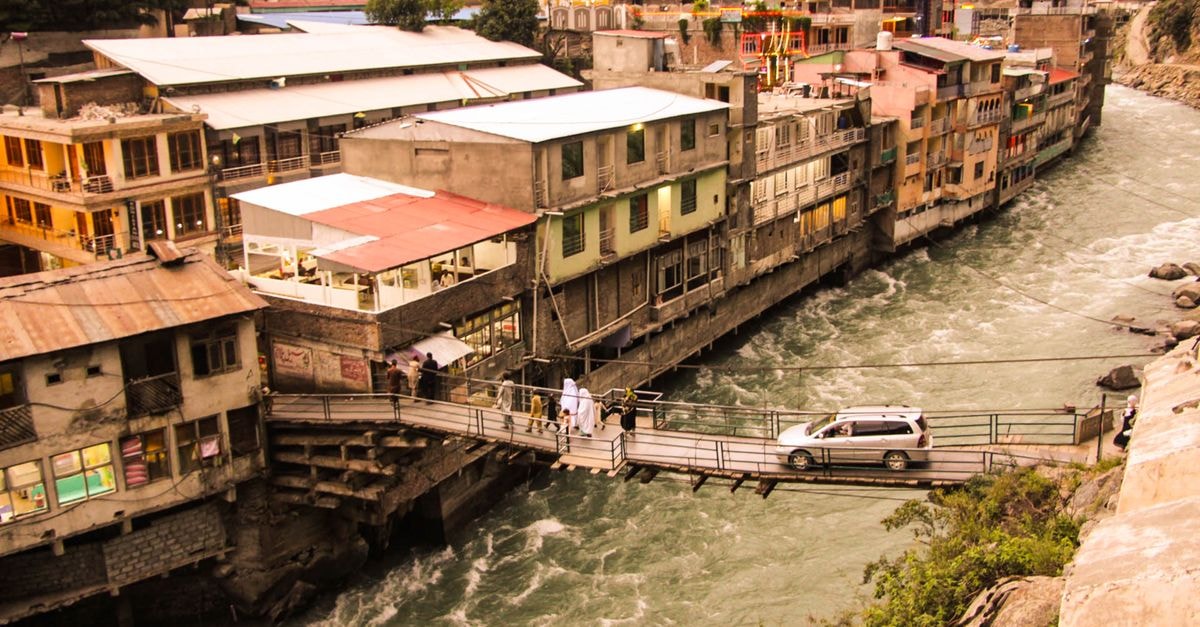
Setting the scene

Malacca has the kind of layered atmosphere that rewards wandering. The city carries a long trading-port history, and that mix of influences still shows up in the architecture, the food and the everyday rhythm of the streets. For visitors, it reads as a compact, walkable heritage town with a distinct identity, rather than a generic stop on a longer Malaysian route.
This guide leans into the practical: how to arrive, how to think about your time on the ground, and how to approach a food scene that locals themselves talk about as one of the most beloved in the country. It is written as an evergreen companion, so the focus stays on durable character rather than any specific calendar window.
Getting around and arriving
If you prefer to keep travel days simple, the bus option may suit travellers who like a single, predictable leg with one transfer at the origin station. Because the route is widely used, departures tend to be frequent enough that you can usually choose a time of day that matches your energy rather than rearranging your plans around it.
Once in the city, the historic core is compact enough that short walks between sights pair naturally with stops for food or coffee. For longer hops, local taxis and ride-hailing services fill the gap, though the main appeal of Malacca is the ease of moving slowly on foot.
Attractions and planning your time
Malacca's attractions sit under a broad heritage umbrella. The official Melaka attractions listing gathers the major heritage sights, museums and cultural points of interest into one place, which is a useful starting point when you want to map out what matters most to you.
Because the city's character is so concentrated, it works well for visitors who prefer a slower pace with deeper attention to a few landmarks rather than a checklist approach. Consider giving yourself permission to linger at one or two sites, especially during the quieter parts of the day, rather than racing through every entry on a list.
The official Melaka travel guide also frames the city as a reachable destination from Kuala Lumpur, Singapore and the airport, which is worth keeping in mind if you are stitching Malacca into a multi-stop itinerary. Visitors using the airport as a transfer point may find it useful to confirm current bus or transfer options directly, since arrival logistics can shift over time.
A practical approach is to group sights by walking clusters in the historic centre, then layer in the museums and heritage buildings as energy and weather allow. The official attractions page is a reliable anchor for what is on offer, while leaving room for the spontaneous stops that often turn into the most memorable part of a Malacca day.
Food and local context
Food is where Malacca's cultural layering becomes tangible. The local food scene is shaped by a collision of Malay, Chinese, Indian and Peranakan influences, and visitors will notice this most clearly at mealtimes. Local writers and foodies often describe Malacca as one of the most popular gastronomic destinations in the country, a reputation built on long-established dishes rather than trends.
For travellers, the easiest way into the food scene is to treat it as part of the sightseeing rather than a separate plan. Small family-run spots, hawker-style offerings and traditional cafés sit close to many of the heritage sights, so a short walk between attractions can turn into a tasting route without any extra effort.
If you prefer to eat with more intention, consider asking locally for current recommendations on which dishes and spots are most worth your time. Food preferences vary widely, and Malacca's range means you can usually find something that matches your appetite, whether you want something light, something rich and slow-cooked, or something sweet to close the day.
Choosing what fits your trip
A few simple tradeoffs can help shape the visit. Travellers who prefer minimal logistics and predictable travel days may find the direct express bus from TBS the most comfortable option, especially if a slower pace on arrival matters more than a faster connection. Visitors who enjoy cultural layering and food as a primary activity will likely get the most out of grouping heritage sights with nearby eating spots rather than treating them as separate plans. And those who like to keep itineraries flexible may prefer to use the official attractions listing as a reference and let the day unfold cluster by cluster, with meals acting as natural anchors between stops.
A note before you go
Factual travel conditions can change over time, including bus schedules, attraction access and food spots. Before your trip, it is worth checking the official Melaka tourism channels for the most current information on transport, opening and what is available, so your plans reflect what is actually on the ground when you arrive.
Prices, opening hours, schedules, reservation rules, and local conditions can change; verify them through official channels before departure.
Share this article
TOOLS FOR THIS PLAN
Make the Malacca plan measurable
Choose a tool only when it answers the next question in your trip. Your values stay in the browser, and each tool offers a route back to this planning context.