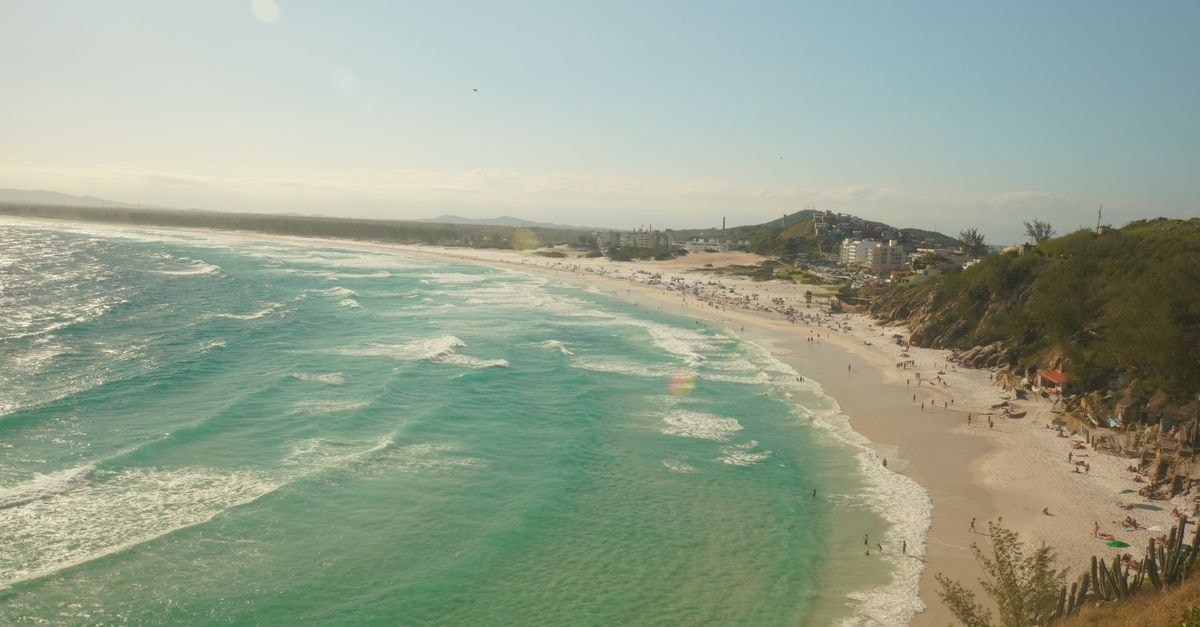
A coastal welcome in Manta

Manta sits right on Ecuador's Pacific shoreline, and that single fact shapes almost everything about a visit. The city has a way of pulling you toward the water, then slowing your pace once you get there. Travelers tend to arrive expecting either a beach escape or a stop along a longer Ecuador route, and Manta delivers both moods at once: lively enough for evening walks along the sand, relaxed enough for unhurried mornings with the breeze coming off the ocean. It is the kind of place where the coast is the spine of the experience, and the rest of the city folds around it.
What's appealing about Manta as a destination is how compact the core idea feels. You come for the ocean, you stay for the rhythm it sets, and you leave with a clearer sense of why this stretch of the Ecuadorian coast has long drawn people in. The guide that follows leans into that coastal identity, with two main threads: how to think about your time around the beaches and nearby nature, and how to approach a food scene that is unmistakably tied to the sea.
Attractions and planning
The beach is the obvious starting point, and the honest starting point, for any Manta trip. Being right on the Pacific Coast, the city offers an array of stunning beaches that draw visitors looking for sand, surf, and that very specific coastal walk at the end of a warm afternoon. The shoreline becomes especially lively during holiday periods, when the beaches turn into social hubs, but even outside those peaks the waterfront holds a steady hum of activity. Planning around the beaches usually means planning around the water, which is a good instinct here.
Beyond the city beaches, the wider region is also home to protected nature that rewards a slightly slower plan. Machalilla National Park was created to protect Ecuador's wildlife habitats, and it is widely considered one of the country's most striking natural areas. For travelers who like pairing a beach trip with a nature day, this is the kind of nearby protected landscape that makes a coast-focused visit feel a little more layered. It is worth treating the park as a separate half-day or full-day plan rather than something to squeeze between beach sessions, both because of the travel time involved and because the wildlife habitats reward a quieter pace.
A few light planning notes that come directly from the coastal character of the city: build your days around the water and the heat of the day, lean into morning and late-afternoon outings when activity feels best, and leave room for the simple pleasure of watching the Pacific from a shaded terrace. That approach tends to match how Manta itself seems to move.
Food and local context
Manta is known for its beautiful beaches, vibrant nightlife, and delicious cuisine, and the food side of that reputation is essentially a seafood story, which is not a coincidence. The city's coastal location shapes a cuisine built around fresh catches, simple preparations, and a few dishes that have become closely tied to local identity. Eating well in Manta usually means eating close to the source, with menus that lean on what was brought in that morning.
A relaxed way to approach eating in Manta is to follow the seafood rather than a specific restaurant plan. Ask what came in fresh that day, be open to preparations you might not recognize on a menu at home, and treat the beachfront and nearby market-adjacent areas as the natural places to graze between bigger meals. The food here is not designed to impress through technique so much as through freshness, and the more you lean into that, the more rewarding the meals tend to be.
Setting the mood for your trip
There is a particular texture to a Manta day that is worth acknowledging before you arrive, because it shapes how the time is best spent. Mornings feel coastal and unhurried. Midday tends to be the moment to slow down, find shade, and let the heat pass. Late afternoons open back up, the breeze returns, and the beaches and waterfront promenades fill with locals and travelers doing exactly what you came here to do: walking, watching, and easing into the evening.
That rhythm gives Manta a softer pace than a city itinerary might suggest, and it rewards travelers who let their plans breathe. There is no need to pack every hour with movement. The coast does a lot of the work for you, simply by being the kind of place where sitting near the water feels like an activity rather than a pause between activities.
A few simple travel notes
Local logistics in Manta tend to be straightforward, partly because the city's identity is so clearly coastal and partly because visitors are a regular part of the rhythm. A few practical habits help: keep beach gear light, treat the midday hours gently, and save the more active beach time and longer walks for the cooler parts of the day. When you venture toward nature areas outside the city, give yourself the full window rather than racing back, since the protected landscapes nearby, including areas connected to Machalilla National Park, reward a slower approach.
For food, the simplest path is to lean into seafood where it is clearly the specialty, ask about the catch of the day, and accept that the best meals here often look unassuming. Pair that with an easy attitude toward the heat, the breeze, and the pace of the coast, and Manta tends to give back exactly the kind of trip you came looking for.
A note on planning and verification
Travel conditions in any destination can shift, and Manta is no exception. Beach access, park access, transit options, and the everyday rhythm of local businesses can change with the season, the weather, or local decisions. Before you travel, it is worth checking official tourism channels and current local guidance so that your plans reflect what is actually open and running when you arrive. Treat this guide as a starting frame for the trip rather than a live confirmation, and let current information shape the final shape of your days on Ecuador's coast.
Prices, opening hours, schedules, reservation rules, and local conditions can change; verify them through official channels before departure.
Share this article
TOOLS FOR THIS PLAN
Make the Manta plan measurable
Choose a tool only when it answers the next question in your trip. Your values stay in the browser, and each tool offers a route back to this planning context.