A First Look at Maroua

The city is best approached as a base rather than a checklist of sights. Even so, there is a clear cultural anchor in the heart of town: the Lamidat de Maroua, a traditional palace that represents the Islamic heritage of the Far North. It is centrally located, and visitors tend to find that stopping here adds a sense of place that pure landscape travel can sometimes miss. The intricate entrance and the cultural ceremonies tied to the palace give a glimpse into the local chiefly tradition, which still plays a visible role in everyday life.
If you are curious about the rhythm of the city itself, plan unhurried time around the palace area and the central quarters. If you are drawn outward to scenery and wildlife, the town is well placed for guided excursions.
Getting Around and Planning Routes Out
Maroua works best when you treat transport as a deliberate part of the day rather than an afterthought. The town is a known regional stop along corridors that link the Far North to neighboring cities, and the road between Maroua and Garoua functions as a normal regional corridor. That phrasing matters for travelers: it suggests a route that is used, maintained and understood by local drivers, which makes planning a through-journey more straightforward than it might appear on a map.
For trips heading toward Kousséri, Mora, or Waza-side itineraries, the practical advice is to treat safety information with the same weight as the timetable. Routes in this part of Cameroon often pass through changing terrain and shifting local conditions, and a driver or guide who is current on the situation is usually the most reliable asset a traveler has. Independent travelers may want to confirm conditions locally before setting out, and group travelers will often find that arranging transport through a known operator reduces the number of unknowns on the day.
Inside the city, distances are modest and the central landmarks are easy to reach on foot. The Lamidat de Maroua is centrally located, so orienting yourself around the palace gives a natural anchor for short walks, market visits and evenings out. Most day-to-day movement does not require special planning; the bigger transport decisions tend to be about which direction you are leaving town in the morning.
Nature, Mountains and Wildlife on the Doorstep
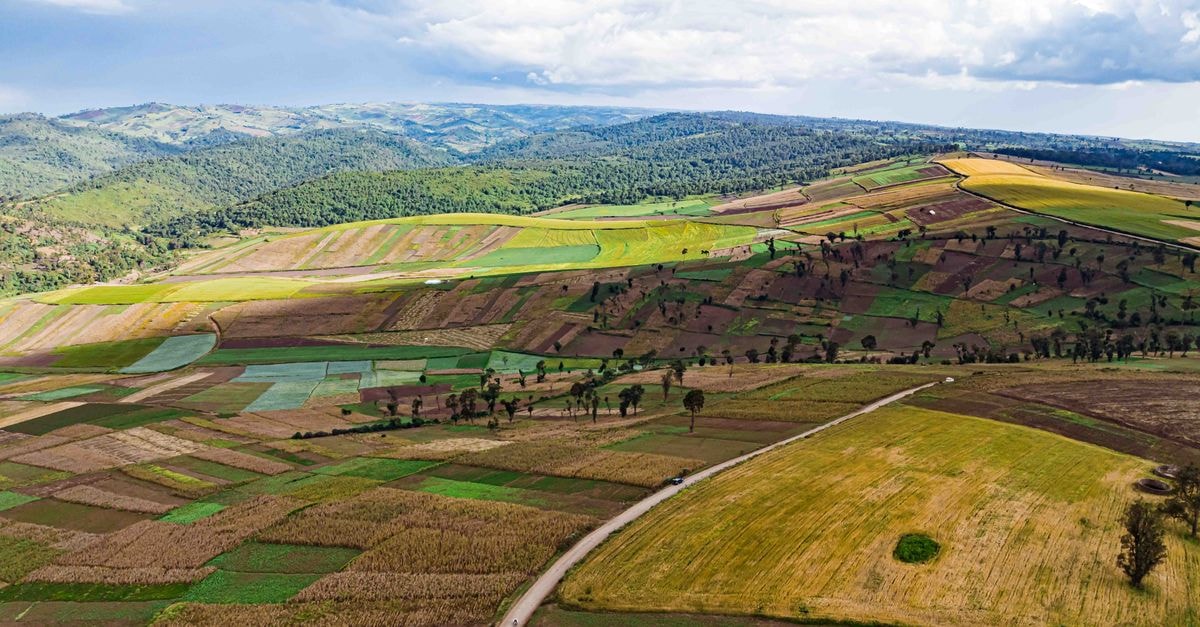
Maroua is genuinely well placed for travelers who like landscapes as much as towns. The city is close to the Mandara Mountains and to Waza National Park, and that proximity is one of the strongest practical reasons to base here rather than somewhere else in the region. From Maroua it is possible to plan days that move between dry savannah, rocky foothill scenery and mountain villages without long, exhausting transfers.
For birdwatchers and travelers who enjoy savannah wildlife, the Waza side of the region is the headline. For visitors drawn to terraced hillsides and traditional villages set against rocky backdrops, the Mandara side tends to be the quieter pleasure. Both directions reward patience and an early start, and both can feel very different from the city itself.
Guided wildlife and landscape trips are readily arranged from Maroua, which simplifies a lot of the logistical thinking. A guide typically handles the park entry process, the early-morning timing that matters for wildlife viewing, and the road knowledge that makes mountain villages accessible. Travelers who prefer to keep their plans flexible may want to arrange the first day in advance and leave subsequent days open, so weather and energy can shape the route.
Weather and Seasonal Context
The Far North has a climate that shapes how a day in Maroua feels. Conditions can feel hot and dry for long stretches, and the strong sunlight tends to set the pace of the day whether you are walking through town or sitting in a vehicle between stops. Mornings and late afternoons are usually the most comfortable windows for moving around, while the middle of the day often invites a slower rhythm, a shaded pause, or a longer lunch.
The practical implication is simple: pace the day rather than fight it. Plan any outdoor sightseeing, palace visits and walking around the central area for the cooler parts of the day, and treat the midday hours as a natural break. Because the climate tends to reward an unhurried approach, travelers who like to fill every hour with activity sometimes find that Maroua asks for a slightly different mindset, while travelers who enjoy slow travel tend to feel right at home.
If you are sensitive to heat, consider arranging the more demanding outings, including longer wildlife drives or mountain village visits, for the early morning, and build in shaded rest time after returning to town.
Choosing What Fits Your Trip
Maroua rewards travelers who match their plans to what the region actually offers. If your interest is in cultural heritage and a sense of place, the Lamidat de Maroua and the central quarters are the natural focus, and the rest of your time can be spent absorbing daily life rather than chasing a long list of sights. If landscapes and wildlife are the draw, the town becomes a base for guided days toward the Mandara Mountains and Waza National Park, and the choice is more about how many days you give to each direction than about squeezing every option in.
Travelers who prefer structured days tend to do well arranging guided trips in advance and keeping city time light. Travelers who prefer flexibility often do better booking the first guided day and leaving the rest open. Either way, current local information on road and safety conditions should weigh as heavily as any timetable, especially for journeys toward Kousséri, Mora or Waza-side routes.
A Note Before You Go
Travel conditions in this part of Cameroon can change, and details such as road access, park rules, local guidance and transport options are best checked through official channels and current local contacts before departure. Treat this guide as a starting frame for the trip rather than a final word, and confirm anything that affects your day-to-day plans close to the time you travel.
Share this article
TOOLS FOR THIS PLAN
Make the Maroua plan measurable
Choose a tool only when it answers the next question in your trip. Your values stay in the browser, and each tool offers a route back to this planning context.