A Mountain That Rises Like an Oasis

Marsabit sits in Kenya's far north, where the surrounding lowlands have a way of feeling endless and sun-bleached, and then a forested mountain rises almost unexpectedly from the plains. That contrast is the soul of the destination. Travelers who like places where nature, culture and a sense of remoteness meet tend to feel right at home here, because the town is small, the landscapes are wide, and the park feels like a quiet reward at the end of a long journey.
The mountain itself is the heart of any visit. It is described as a forested mountain peak rising like an oasis out of arid desert surroundings, and that image is the one most travelers carry home.
Weather and Seasonal Context
Marsabit sits in a region where the lowlands can feel dry and the mountain keeps its own cooler microclimate, so the experience changes as soon as you climb. Local descriptions call the lower slopes scorched and dry at times, while the richly forested upper slopes create scenic views that feel almost magical by comparison. The mountain's crater lakes, fed by this forested cover, are noted as a haven for birdlife, mammals and reptiles, which means a slow walk through the forest can turn into a surprisingly rich wildlife moment.
The climate here can feel noticeably different from the plains below. Because the upper slopes hold their own microclimate, the days on the mountain are often cooler than what visitors expect when they set out from arid terrain. The general pattern in the wider region tends to swing between drier stretches and rain, so pacing the day to avoid the hottest midday hours tends to suit most travelers, while leaving the cooler mornings and late afternoons for longer walks or game viewing.
The Marsabit National Park and Reserve
The reserve was first established as a national reserve in 1949, making it one of Kenya's earliest protected areas, and a national park was later created around the forested mountain peak, with a larger surrounding game reserve added as a buffer zone. That layered history means visitors today get two experiences in one: the dense, almost secretive feel of the montane forest on the mountain, and the open arid terrain that stretches out beyond it.
The mountain is known for its dense montane forest and three crater lakes, which provide a haven for a variety of birdlife, mammals and reptiles. Walks among baobabs and elephants are part of how the destination is described, and the giant baobabs scattered across the slopes have become as much a signature of Marsabit as the elephants themselves. Travelers who enjoy slow, observational travel rather than a checklist of stops may find this especially rewarding.
The reserve also carries one of Kenya's most famous wildlife stories. Ahmed, a massive bull elephant with tusks each weighing approximately 67 kilograms, drew international attention when President Jomo Kenyatta placed him under 24-hour guard in 1970. His legacy still hovers over the park today, and for travelers interested in conservation history, it adds a human chapter to the natural setting.
Getting Around
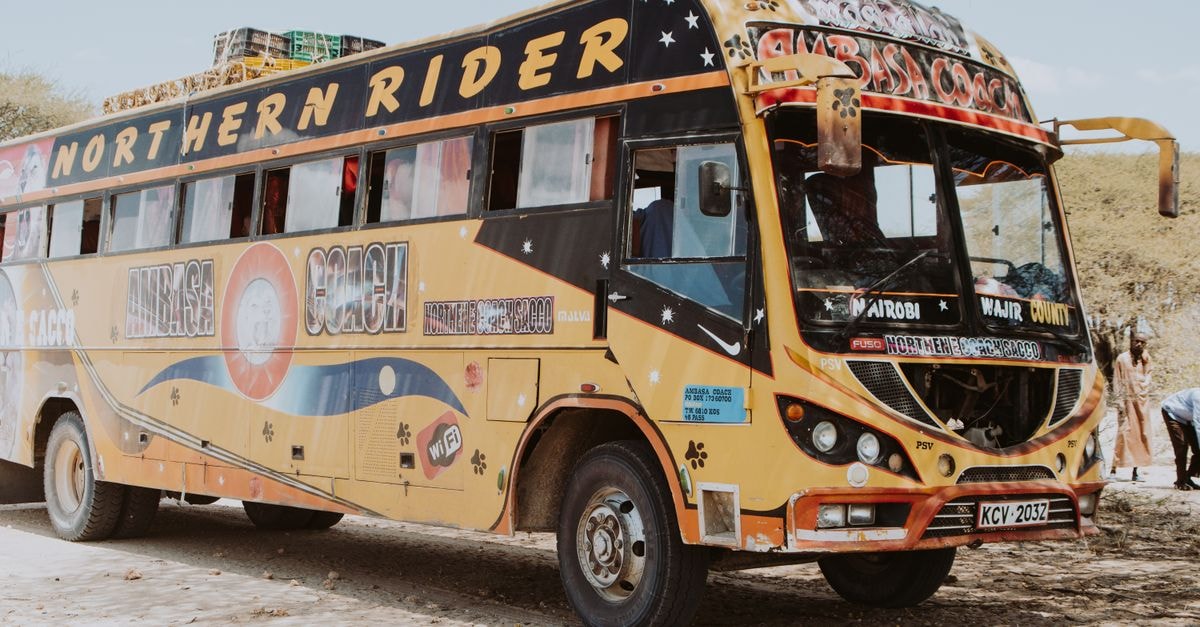
Marsabit is a remote destination, and the way you move around shapes the trip as much as the places you visit. The road conditions can be challenging, especially during the rainy season, which is a practical reality that visitors should plan around rather than discover on arrival. Travelers who prefer more time at a destination and less time in a vehicle may want to keep the itinerary flexible, because slower driving on rougher roads is part of the rhythm here.
Because of this distance and terrain, longer stays that go beyond a quick pass-through tend to be how most visitors actually experience the place. Sources note that travelers with more time may want to consider adding excursions to the surrounding region, including nearby attractions such as the Chalbi Desert and Rendille villages, though these are optional extensions rather than essentials. The key planning point is that travel between the town, the park gates, the crater lakes and the baobab groves takes patience, and building in buffer time keeps the trip relaxed.
Marsabit itself is small enough that within the town you can move around on foot, while reaching the park and the viewpoints usually requires a vehicle, ideally one suited to unpaved and at times rough roads.
Markets, Crafts and Local Culture
The town has a cultural rhythm that visitors notice almost immediately. Markets in the Marsabit area showcase Borana and Rendille crafts, and the surrounding lowlands are home to communities with long pastoral traditions. For travelers interested in textiles, beadwork and everyday objects made for daily use rather than purely for display, these markets tend to be the most direct way to engage with local culture.
The cultural mix in northern Kenya means visitors may encounter Borana, Rendille and other pastoral communities, each with their own styles of dress, jewelry and craft. That said, it is worth approaching any market visit with the same respect you would bring to a small town anywhere: ask before photographing people, accept that bargaining is part of the rhythm, and remember that the people selling crafts are often sharing a piece of their daily life rather than running a formal shop.
Choosing What Fits the Trip
Because Marsabit is remote, the trip tends to reward a slower pace. Travelers who enjoy remote landscapes, wildlife at a quiet scale and cultural encounters away from the main tourist circuit may find the destination a strong fit. A small group of traveler-fit notes may help shape expectations: those who like wide-open arid scenery often appreciate the drive in; those drawn to forested walking and crater-lake birding tend to enjoy the mountain itself; and those who value cultural depth usually gravitate to the markets and the pastoral communities around town. Travelers who need fast, paved access or a packed urban itinerary may want to reconsider, since the very remoteness that makes Marsabit special also demands patience on the roads. The most useful planning choice is simply matching days on the ground to the kind of experience you want, rather than racing through.
A Note Before You Go
Factual conditions in Marsabit can change, including road conditions, park access and local services, so it is worth checking current information through official channels and on-the-ground advice before traveling. Specific menus, prices, transport schedules and entry requirements are best confirmed locally on the day. With a little planning, Marsabit offers one of Kenya's most distinctive combinations of oasis forest, crater lakes, baobab country and cultural depth, all set against the wide skies of the northern frontier.
Share this article
TOOLS FOR THIS PLAN
Make the Marsabit plan measurable
Choose a tool only when it answers the next question in your trip. Your values stay in the browser, and each tool offers a route back to this planning context.