A coastal city with a working harbor and a slow pace

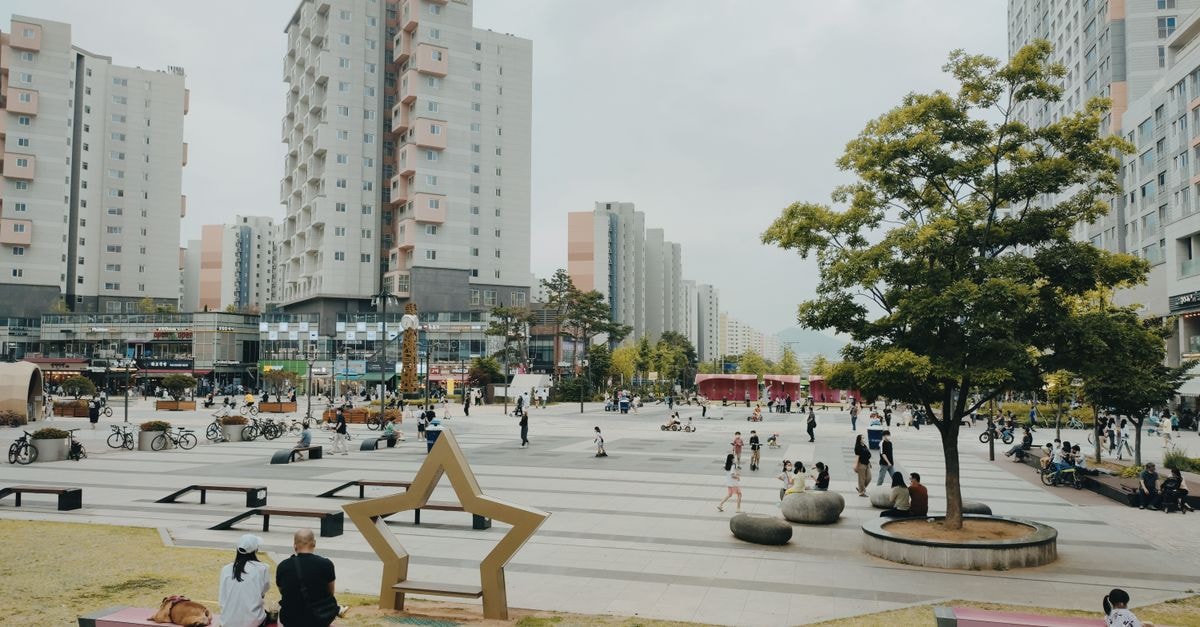
There's a particular kind of quiet that hangs over a Korean port town in the late morning, and Masan seems to wear it well. Tucked inside the broader Changwon area on the southern coast, the city has long balanced two identities: a working maritime hub where the sea shapes daily life, and an unhurried urban neighborhood where traditional markets sit comfortably alongside everyday Korean routines. Travelers tend to arrive with the sense that this is a place to slow down, watch the boats, and lean into the kind of wandering that smaller coastal cities invite.
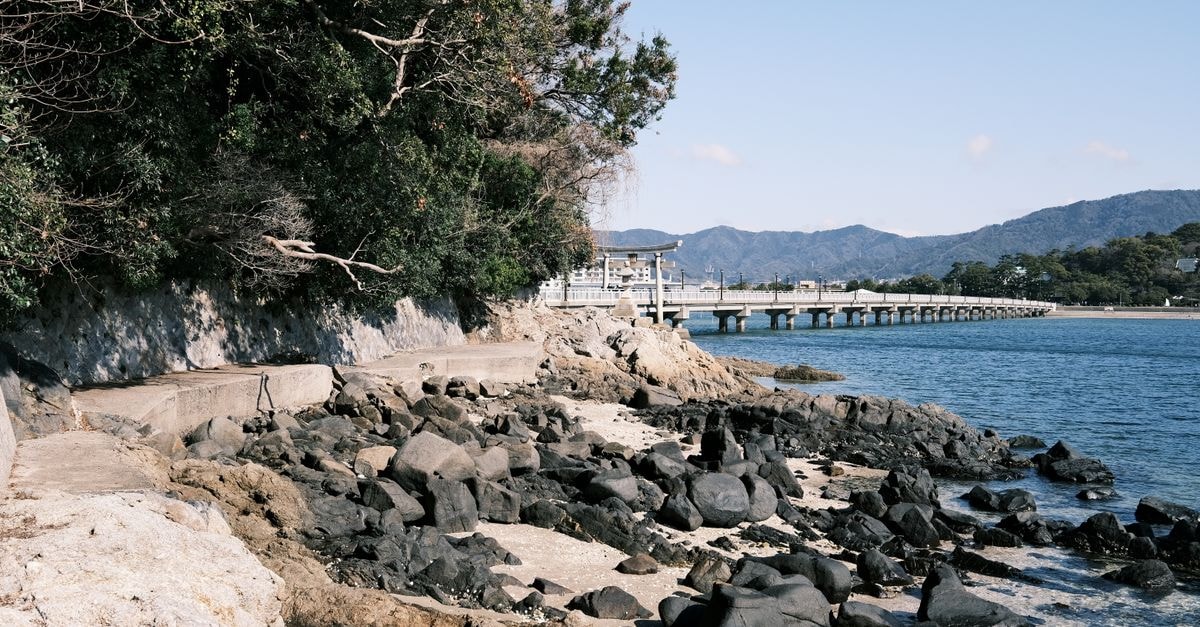
Masan is often described as a destination where history and food culture meet at street level, a city with a tangible maritime thread running through its markets and its pace. That blend gives the visit a soft rhythm: you can spend the morning browsing for fresh catch and local specialties, then settle into a slower afternoon by the water, taking in views that remind you this is a place whose identity still leans toward the sea. For travelers who like cities with a sense of place rather than a checklist of headline sights, that everyday quality is often the real draw.
Weather and seasonal context
Masan sits in a stretch of South Korea known for its maritime character and traditional markets, and the city's coastal setting tends to shape how a day on the ground feels. The sea influence means conditions can shift more noticeably here than in fully inland cities, so the difference between a sunny afternoon stroll along the harbor and a wet, breezy one can be real. Layers tend to be a practical friend, especially when moving between breezy waterfront paths and warmer market lanes where the air is closer and busier.
Because the city carries both traditional Korean atmosphere and relaxed urban living, the pace of a visit can flex with the weather. On calmer days, wandering longer stretches between neighborhoods feels easy and natural; on more changeable days, planning shorter loops between indoor markets, cafés, and sheltered viewpoints helps the day stay unhurried. Pacing around the weather, rather than fighting it, tends to suit the way the city unfolds. Visitors who prefer gentler schedules may want to build in extra time at a market or harborfront stop rather than racing between points.
A reasonable approach is to treat each day as a soft loop rather than a fixed route: pick one main area, let the harbor or market set the mood, and leave room for a slower pause. That kind of rhythm tends to match the way Masan presents itself, and it leaves space for the small, unscripted moments that often turn into the most memorable parts of a coastal city visit.
Getting around
The easiest way to think about moving through Masan is to start with a simple idea: most of what a visitor wants to do clusters around recognizable anchors, and the city's local transit can carry you between them without much fuss. The T-Currency card is a transit payment tool described in a Masan getting-around context, and it is designed for seamless subway and bus rides across the network. For travelers who like the reassurance of one payment method across different modes of transport, that kind of card-based convenience often removes a layer of small logistical thinking from each trip and lets the day breathe a little more.
For travelers who like to plan a route in advance, route planners that pool options from multiple modes can be a useful first stop. These tools tend to draw on a long history of travelers describing their favorite ways to get from A to B, and the itineraries can be personalized to move between several points in one day. That can be helpful when the plan is to combine a market visit with a waterfront walk and a neighborhood stop, since it brings several transport choices into one view.
A practical rhythm works well here: pick a base area near the harbor or the market district, use a T-Currency card for short subway and bus hops during the day, and save any cross-city travel for a single dedicated move rather than several small ones. Travelers who prefer fewer transitions may want to cluster their must-see spots into one or two neighborhoods and rely on walking between them, then use transit only for the longer leg across town. The aim is to keep the getting-around part of the trip feeling like background support, not the main event.
For visitors who like to keep plans flexible, it is worth treating any route suggestion as a starting sketch rather than a fixed path. Local bus routes, subway stops, and walking distances in a coastal city like this can shift the experience in pleasant ways once you are actually on the ground, so leaving a little room to adjust tends to be rewarding.
Sights and anchors
Within the broader Changwon visit context, Masanhappo appears as one of the named stops, and Masan Fish Market is listed among the places you can stop by to browse for souvenirs during a trip to Changwon. That kind of pairing — a coastal viewpoint or neighborhood paired with a market where you can look around and pick up a small memento — tends to anchor a relaxed day well, especially when both sit within the same wider area and can be reached without a complicated transit chain. Travelers who like to weave a market stop into a harborfront walk may find this combination fits that rhythm naturally, since browsing for souvenirs pairs easily with the slower pace that a working harbor invites.
Choosing what fits your trip
A few tradeoffs tend to shape how a Masan visit feels in practice. Travelers who enjoy building their day around a single anchor — a market in the morning, a harborfront in the afternoon — often find the city's layout forgiving, with short hops between highlights and the option to walk more than expected once they start. Visitors who prefer a denser, more stop-by-stop itinerary may want to plan transit more deliberately, since the rhythm here rewards lingering over rushing, and combining too many areas into one day can flatten the sense of pace that makes the city distinctive. The maritime setting also nudges plans toward flexible pacing: weather around the water can change how comfortable a longer waterfront stretch feels, so a softer schedule with built-in pauses tends to suit both the city and a relaxed travel mood.
Before you go
A small verification step tends to save travelers the most trouble: confirm the current state of any specific transit route or pass you plan to rely on through an official local source before departure, since service details can change. Rates and card conditions are also worth a quick check close to travel time. Beyond that, the best preparation for Masan is a simple one — go in with a loose plan, a transport card in your pocket, and the willingness to let a working harbor city set the pace of the day.
Factual travel conditions can change, and official channels should be checked before departure.
Share this article
TOOLS FOR THIS PLAN
Make the Masan plan measurable
Choose a tool only when it answers the next question in your trip. Your values stay in the browser, and each tool offers a route back to this planning context.