A first impression

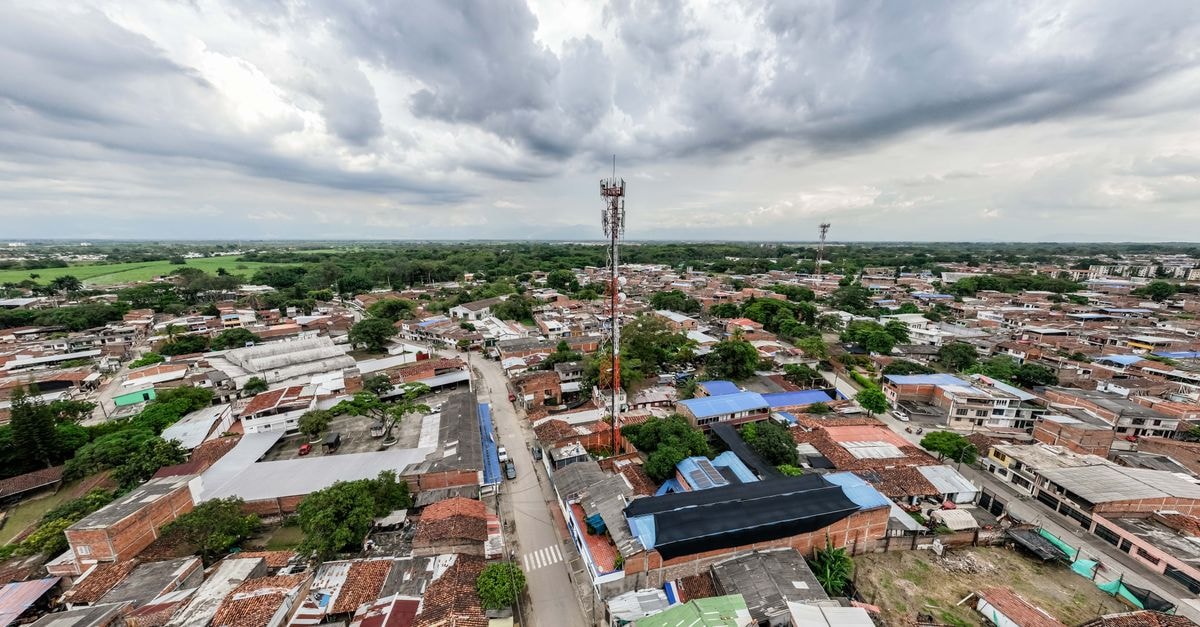
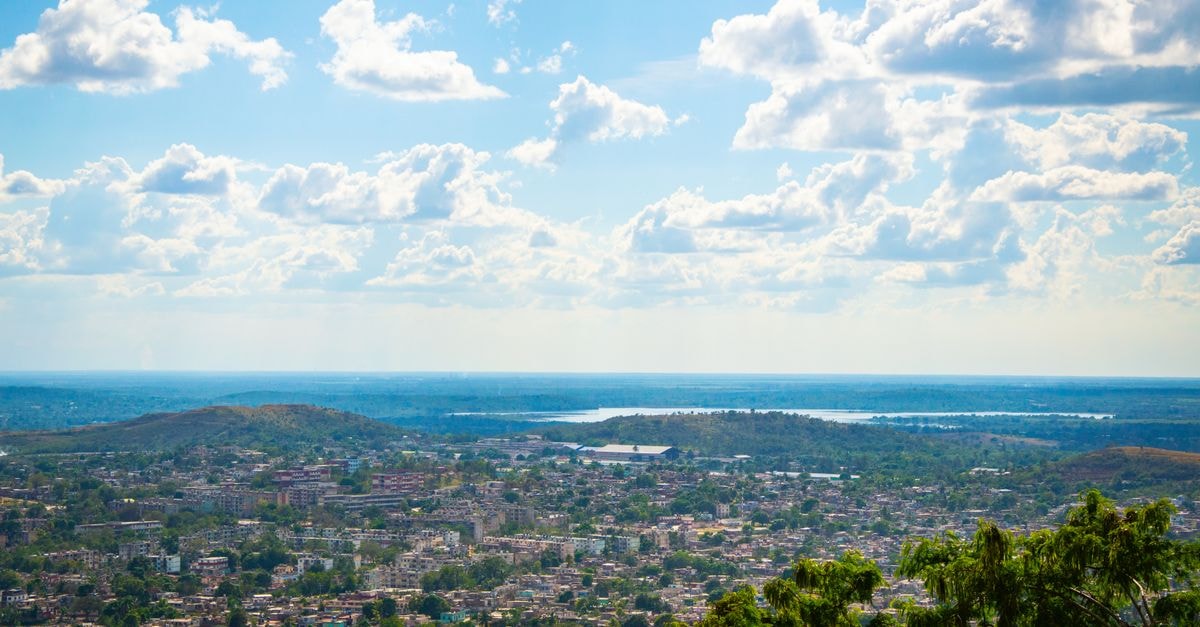
Masaya sits in Nicaragua's central highlands, a small city that punches well above its weight when it comes to cultural character. It is the kind of place where the streets feel lived-in, where the market is as much a social ritual as a place to buy produce, and where the food scene reflects centuries of regional cooking tradition rather than a polished tourist script. This guide is built for travelers who want a grounded, practical read on how the city works day to day — specifically, how to arrive and move around, and where to start if you want to taste what the city is known for.
What follows is deliberately compact. Rather than pad it out with generic Nicaragua advice, the focus stays on the two things a visitor really needs to feel oriented: the transport reality on the ground, and the food culture that gives Masaya its identity.
Getting around and arriving
The first thing to know about reaching Masaya is that there is no passenger rail service. Overland travel to the city is done by bus, by shuttle or colectivo, or by car. The same is true once you are there: there are no train options, so getting in and out of Masaya means road travel.
Because there is no rail alternative, it is worth deciding in advance whether you want the local experience of a public bus — slow, social, and inexpensive — or the predictability of a shuttle or colectivo that drops you closer to your accommodation. Both are workable; they simply produce different days. Travelers who prefer to pace their arrival without juggling connections may find that arranging a shuttle in advance suits them better, while those who enjoy watching a country unroll from a window tend to gravitate toward the bus.
The market and the food scene
Masaya's culinary scene is described locally as being as rich as its cultural heritage, and the most direct way to experience that is through the city's markets and long-established eateries. For a hands-on sense of daily life, the market stalls along Avenida Nicaragua are the natural starting point.
If you prefer something more sit-down, La Paloma Restaurant on Calle 6 is one of the long-running local names visitors gravitate toward. It is the kind of place that anchors a city's reputation rather than chasing trends, and stopping in here gives a traveler a feel for what Masaya considers everyday cooking rather than a special-occasion menu.
Choosing what fits your trip
Masaya rewards travelers who want a working sense of Nicaraguan food culture without the logistics of a bigger city. Because overland access is bus, shuttle, or car only — no rail — the pace is set by road, which is something to weigh if you are deciding between basing yourself here or using the city as a day stop from Managua. Travelers who enjoy market browsing and regional cooking, and who are comfortable with bus travel or happy to arrange a shuttle, will likely find that a stay of even a couple of nights lets the city settle into focus. If you are looking for a fast, checklist-driven city break, the same lack of rail connections can make the rhythm feel slow; in that case, a well-timed shuttle in and out, with the market and one or two established kitchens as your anchors, may suit you better than trying to cover too much ground.
A practical note before you go
Factual travel conditions — bus schedules, restaurant hours, and local services — can change. Before you travel, it is worth checking current information through official channels or a recent local source so that your day in Masaya reflects what is actually open and running on the day you arrive.
Share this article
TOOLS FOR THIS PLAN
Make the Masaya plan measurable
Choose a tool only when it answers the next question in your trip. Your values stay in the browser, and each tool offers a route back to this planning context.