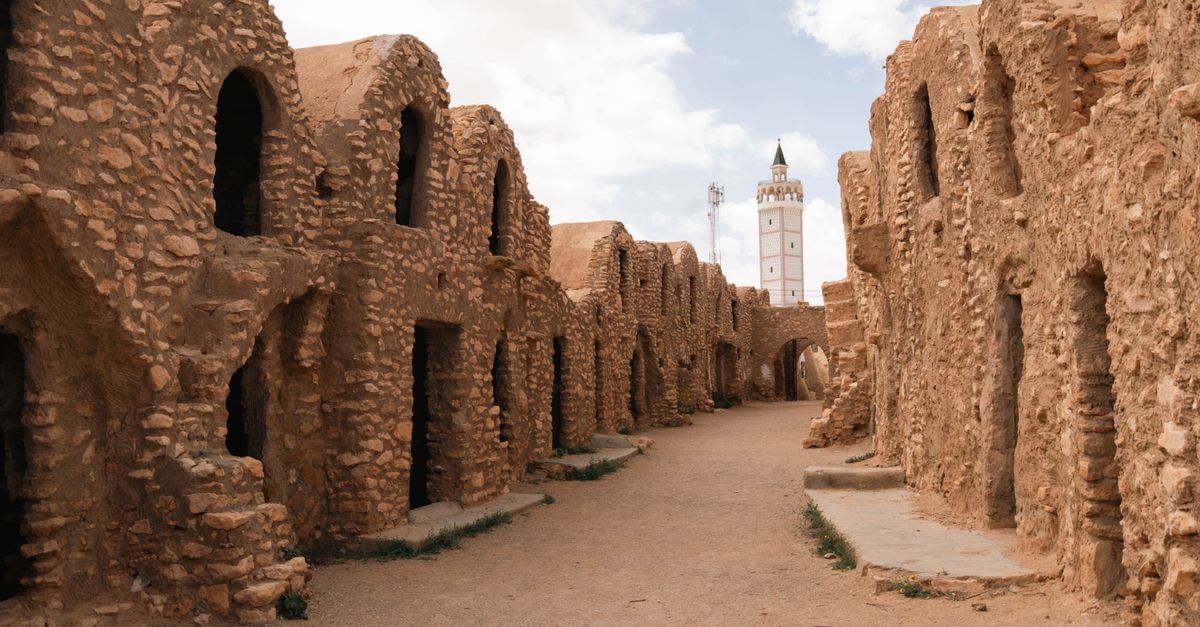
Matam at a glance

Matam sits in northeastern Senegal, a city that quietly draws its rhythm from the Senegal River and the Sahel lands that spread out on either side. The setting alone gives the place a distinct flavor: a working river town wrapped in wide horizons, where life tends to unfold at a calmer tempo than in the coastal capital. Travelers who arrive with curiosity about everyday Senegalese life rather than a checklist of headline sights often find that this slower pace is part of the appeal.
The city is described in travel references as vibrant and culturally rich, with scenic landscapes shaped by its position along the Senegal River. That combination of river, culture, and open terrain is the thread that ties most visitor experiences together here, and it sets the tone for how to think about planning a trip.
Attractions and planning
Matam is regularly listed among destinations that reward travelers interested in culture, river scenery, and a sense of getting off the more trodden paths of Senegalese tourism. A commonly referenced roundup of the top ten attractions in and around the city offers a useful starting point for visitors who want a structured overview of what to see, and it is the kind of resource that pairs well with a slow, exploratory approach to the area.
The broader appeal of Matam lies in how those attractions connect. The Senegal River anchors the geography, and cultural heritage gives depth to the streets and villages nearby. Together they create an atmosphere that feels rooted in place rather than curated for visitors.
When to consider going is a practical question worth answering early. Sources describe the dry season, roughly November through April, as a comfortable window for outdoor activities, with milder temperatures that make walking, river views, and visits to surrounding sites more pleasant. Travelers who prefer gentler conditions for spending time outside may find that timing appealing, while those comfortable with warmer weather can still visit outside that window with a more relaxed pace.
Because the surrounding region includes villages and natural areas, planning tends to feel less like ticking off a fixed itinerary and more like choosing a few anchors, then leaving room to wander. Visitors drawn to wildlife, historic interest, or river-based landscapes will find overlapping threads in most local guides, and that overlap can help shape a flexible plan without overcommitting to long travel days.
For travelers who like their trips to feel less rehearsed, this is a place where asking locally about current conditions, transport options, and seasonal rhythms tends to pay off. Confirming details on the ground, especially around river crossings and access to outlying sites, is a sensible step before setting out.
Food and local context
Food in Matam sits within a wider Senegalese food culture that is generous, social, and deeply tied to the landscape. Senegalese kitchens are often described as quietly confident rather than showy, drawing on fish from cold Atlantic currents, millet and sorghum from the Sahel, and the mangoes and cashews that line rural roads. Travelers who appreciate meals built around grains, fish, and seasonal fruit will recognize those flavors easily across the country, and they form a familiar backbone to what visitors are likely to encounter while in Matam.
Beyond the ingredients themselves, the social setting of eating matters. In Senegal, hospitality carries real weight, and refusing offered food or drink can read as a serious social misstep. For visitors, the practical takeaway is simple: accepting what is offered, eating with the hand or shared utensils as locals do, and joining in the unhurried pace of a meal is part of fitting in. It also tends to be where some of the most genuine local connections happen.
Because food culture here is rooted in the home, neighborhood gatherings, and small establishments rather than a defined restaurant scene, travelers who enjoy asking for recommendations, observing what is cooking at roadside stalls, and saying yes to invitations often get the most out of meals. A flexible attitude toward timing, portion size, and spice tends to be rewarded.
Senegal's overall reputation for warm hospitality, often noted in cultural guides alongside references to lively markets and historic sites like Gorée Island and the pink waters of Lake Retba, gives visitors a useful frame of reference for what to expect socially. Matam shares in that broader culture of welcome, even though its setting and daily rhythm are distinctly its own.
Choosing what fits the trip
Matam rewards travelers who are comfortable with a quieter, more locally rooted experience. Visitors drawn to river landscapes, cultural heritage, and the feel of a Sahel town will find the most to engage with, especially if they plan around the milder dry-season window and leave space for informal discoveries. Those who prefer highly structured itineraries, dense sightseeing schedules, or coastal energy may want to balance a Matam stay with time elsewhere in Senegal. Pacing matters more than packing in stops, and confirming local conditions before heading to outlying attractions keeps plans grounded.
A note before you go
Travel conditions in any destination can shift, and Matam is no exception. Routes, river access, and local services can change with weather and seasons, so it is worth checking current information through local contacts, accommodation hosts, or official Senegalese tourism channels before finalizing plans. Treat guidebooks and online lists as starting points rather than final answers, and let the rhythm of the river town shape how long you stay.
Factual travel conditions can change, and official channels should be checked before departure.
Share this article
TOOLS FOR THIS PLAN
Make the Matam plan measurable
Choose a tool only when it answers the next question in your trip. Your values stay in the browser, and each tool offers a route back to this planning context.