A riverside pause between Tokyo and Chiba

Matsudo sits in the northwest of Chiba Prefecture, separated from Tokyo by the Edo River. That geography alone shapes the way a visit feels: a city with its own identity, but with rail lines that fan out toward Tokyo, the Tokyo Bay area, Saitama, and both of Tokyo's major airports. It reads less like a checklist stop and more like a quiet pause, the sort of place where a slow morning, a garden walk, and a single well-chosen museum can anchor an entire day.
This guide is written for the independent traveller who likes the texture of a city that lives between bigger neighbours, and who prefers a few meaningful stops over a packed schedule.
Getting around
Matsudo's position in the regional rail network is one of its quiet advantages. The city is in the northwest of Chiba Prefecture, separated from the neighbouring Tokyo Metropolis by the Edo River, which means several major lines pass nearby. Direct service on the JR Musashino Line links Matsudo to the Tokyo Bay area and to Saitama Prefecture. For international arrivals, the Hokuso Railway Line provides a direct connection to both Narita Airport and Haneda Airport, which removes the usual Tokyo-station shuffle from the arrival or departure day.
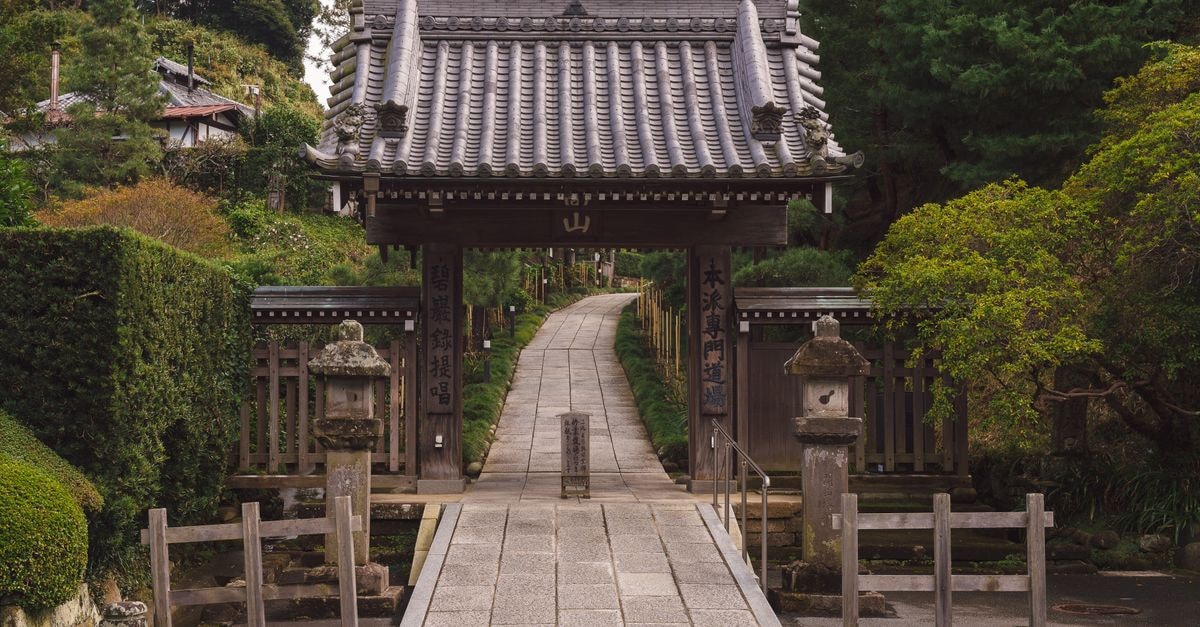
For getting around once you are in the city, the rail stations are the natural anchors. A useful example is the route to the historic Tojo-tei House and Garden: it sits at 63 Hiraga in Matsudo City, about a 10-minute walk from Kita-Kogane Station on the JR Joban Line. That kind of access — a historic house at the end of an easy station walk — is a good mental model for how Matsudo tends to work.
If you prefer fewer transfers and an early start, the airport rail link may suit anyone trying to maximise the first or last day of a longer Japan trip. Travellers who like to combine a city with a day of slow rail riding may appreciate that the Musashino Line connects Matsudo outward in two very different directions, so even a half-day detour can feel like a small journey of its own.
Attractions and planning
Matsudo's appeal, in the words of the local tourism association, is the contrast between new and historical culture — a phrase that lands well once you start moving through the city. The Tojo-tei House is a Meiji-era residence built originally in 1884 for Akitake Tokugawa, and it remains one of the city's beloved and important historical spots, paired with the Tojo Historical Museum on the same grounds. The combination gives visitors a chance to read a single place carefully: a preserved 19th-century residence, a museum that adds context, and a garden that lets the visit breathe.
Beyond the Tokugawa residence, the city is also home to a historic "flower" temple, and to what is described as one of Japan's most famous ramen shops — two very different stops that hint at how layered Matsudo can be. The official tourism association describes Matsudo as a place where visitors cannot get bored, framing the city as a conversation between eras rather than a single theme.
When planning a day, it helps to anchor the route around one strong cultural site and let the rest unfold. For a traveller who likes gardens, period architecture, or Tokugawa-era history, the Tojo-tei House and Garden may suit a slow morning, with the rest of the day left open for the flower temple or a neighbourhood walk. Visitors who care more about food culture than architecture may want to give the ramen stop more weight and treat the historic sites as a short, focused counterpoint rather than the centrepiece.
Choosing what fits the trip
A few practical tradeoffs may help shape the day. Matsudo rewards a slower pace, and the Tojo-tei House and Garden, paired with the Tojo Historical Museum, can easily fill a relaxed morning on its own. If Meiji-era residential architecture is a highlight rather than a sidebar, consider arriving when the gardens are at their quietest. Travellers more drawn to food and neighbourhood texture may want to keep the historic house as a single concentrated stop and spend the rest of the day around the city's eating spots, since Matsudo is also known for one of Japan's most famous ramen shops. The airport rail link via the Hokuso Railway Line makes the city equally workable as a soft entry point or a calm final night before a flight.
A note before you go
Travel conditions, opening arrangements, and access details can change, so it is worth checking the official Matsudo City and Matsudo Tourism Association channels, as well as current operator information for the JR and Hokuso lines, before finalising plans.
---
Note: some details (such as specific ramen shop names, the flower temple, or current opening arrangements) are referenced in the city's official tourism materials but are not fully listed here; readers with a strong interest in any single stop should verify the latest information directly through the Matsudo Tourism Association.
Prices, opening hours, schedules, reservation rules, and local conditions can change; verify them through official channels before departure.
Share this article
TOOLS FOR THIS PLAN
Make the Matsudo plan measurable
Choose a tool only when it answers the next question in your trip. Your values stay in the browser, and each tool offers a route back to this planning context.