A small city in a vast province

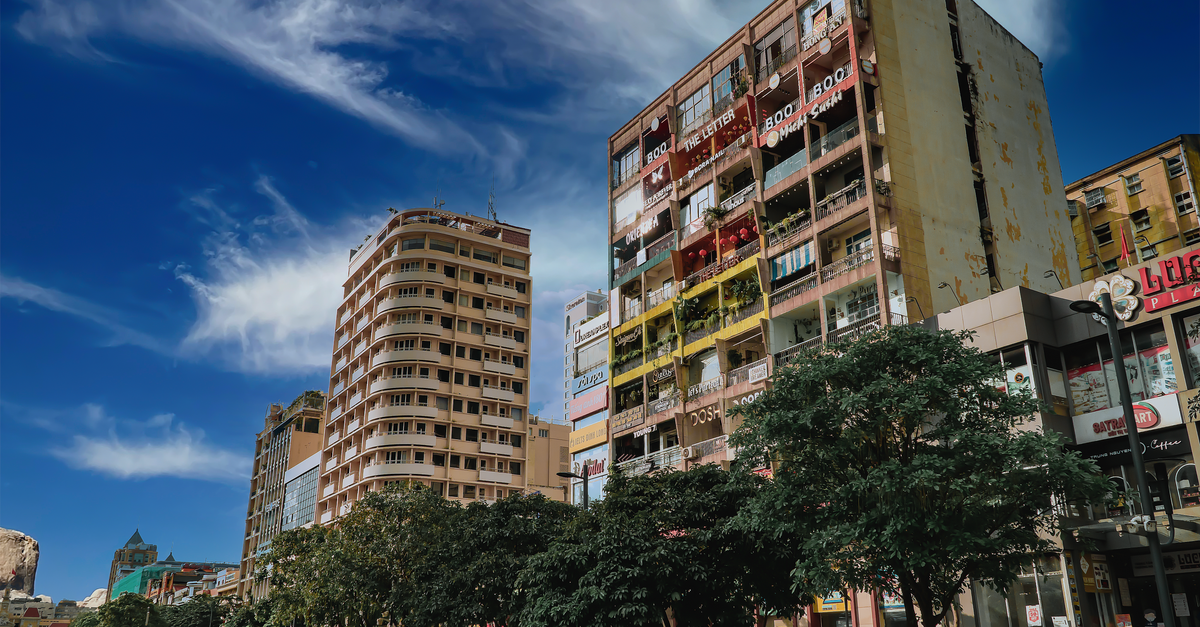
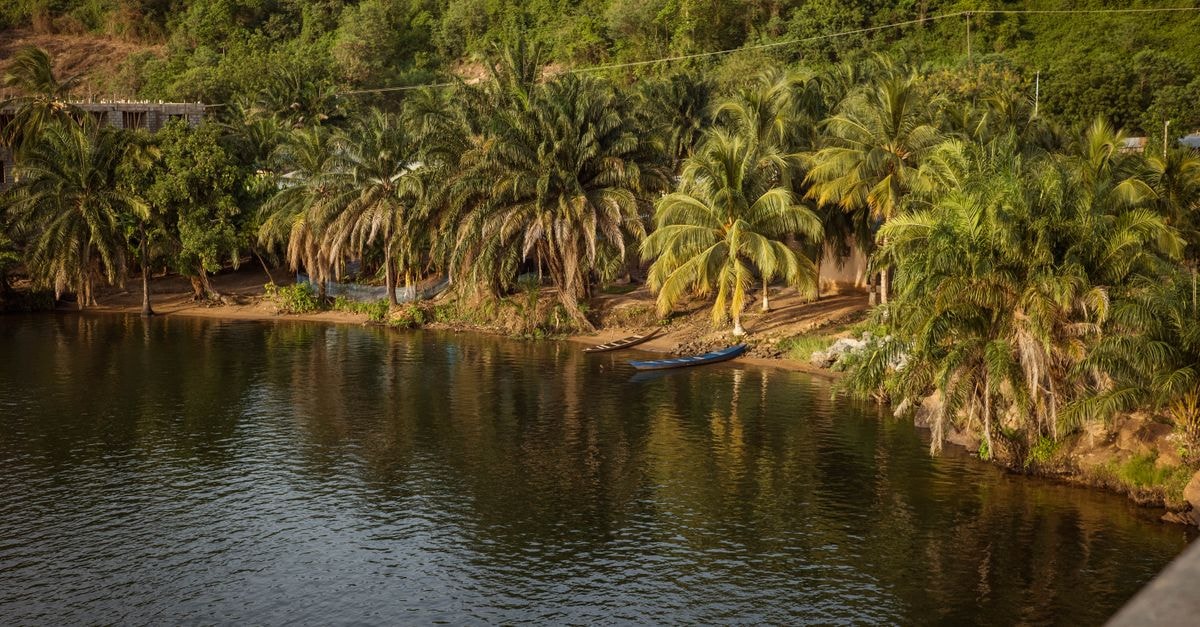
Mavinga is a small city set deep inside Cuando Cubango, one of Angola's largest and most remote provinces. The surrounding territory is overwhelmingly rural, and the town itself acts as a kind of gathering point for the wider region, with a population of around 10,000 people. That scale gives Mavinga a different feel from Angola's coastal hubs: this is a frontier town where life moves at its own pace and where the bush often begins not far from the centre.
Because Mavinga sits in the east of the country, getting here is part of the adventure. The town is described as a strategic municipality, and a new international airport, with a reported investment of around €189 million, has been associated with the area, described as being under construction or in partial operation. That is a useful marker for travelers weighing how the town may be reached in the future, but any plan should be checked against current local advice before departure.
For visitors with a soft spot for wild places and quiet horizons, Mavinga can feel like the kind of stop that rewards patience over packing.
Weather and seasonal context
Mavinga's location, deep in southeastern Angola, shapes its climate more than any single date on the calendar. Conditions in this part of the country can swing between a long dry stretch and a rainy season that softens the bush roads. Travelers used to milder destinations often find that the heat is part of the experience, and pacing the day around the cooler hours tends to make the visit more comfortable than trying to fight the sun at midday.
A few practical habits help in a setting like this. Lightweight, long-sleeved layers are useful for both the strong sun and the cooler evenings that can follow a hot day. Hydration matters, especially if you are moving between the town and the surrounding wilderness. Because the area is remote, weather changes can affect road conditions quickly, so building a little slack into any plan is a sensible approach rather than a rigid one.
For travelers who prefer mild conditions and dislike heavy heat, a remote town in southeastern Angola may be worth reconsidering in favor of a coastal Angolan city. For everyone else, the climate becomes part of the texture of the trip rather than a reason to stay away.
Into the miombo
Because the park is remote, logistics matter. Visitors should plan to contact national park services or conservation NGOs in advance to sort out permits, guides and the practical details of getting in and around. Self-driving into a park of this kind, in a region this remote, is rarely a casual undertaking, so arranging local support is usually the safer and more rewarding path.
Travelers drawn to remote wilderness and quiet game viewing may find the park a strong fit. Those who prefer easy access, paved loops and frequent signage may want to weigh that trade-off carefully before committing to the journey, since logistics and permits must be arranged through park services or conservation NGOs in advance.
Reaching Mavinga and getting around
Once on the ground, distances are long and options are limited. This is not a city where a traveler can simply hop between ride-share options on a whim. Plans built around patience, local contacts and flexible timing tend to work far better than tight schedules. Travelers comfortable with slow travel and a degree of self-sufficiency will usually find the rhythm easier to settle into than those who prefer a city with every convenience on the doorstep.
For travelers who value efficiency and frequent connections, the remoteness of Mavinga is a real consideration. For travelers drawn to the idea of arriving somewhere that still feels off the main map, the same remoteness is the appeal.
Choosing a base that fits the trip
Accommodation in and around Mavinga is shaped by the town's size and its role as a regional hub. There is no glossy hotel district here; instead, the options tend to be modest and practical, suited to visitors who are here for the park, for work in the surrounding territory, or for a deeper look at rural Angola. Travelers who enjoy the idea of staying where logistics staff, park teams and local travelers also pass through often appreciate this kind of base, because it puts them close to the information and contacts that make a remote visit workable.
Because the national park is the main draw for many visitors, choosing a base in or near the town usually makes sense, then moving out toward the park with a guide for a day or more at a time. Travelers who want a high degree of comfort, varied dining and nightlife, or a wide choice of hotels may find that a stay here is best framed as part of a broader Angolan itinerary rather than as a standalone luxury stop.
Food and local context
Food in Mavinga sits inside a much wider Angolan table, and a few national dishes are worth knowing before you arrive, because they are the kind of plates you are likely to encounter across the country, including on the road to or from a remote town like this.
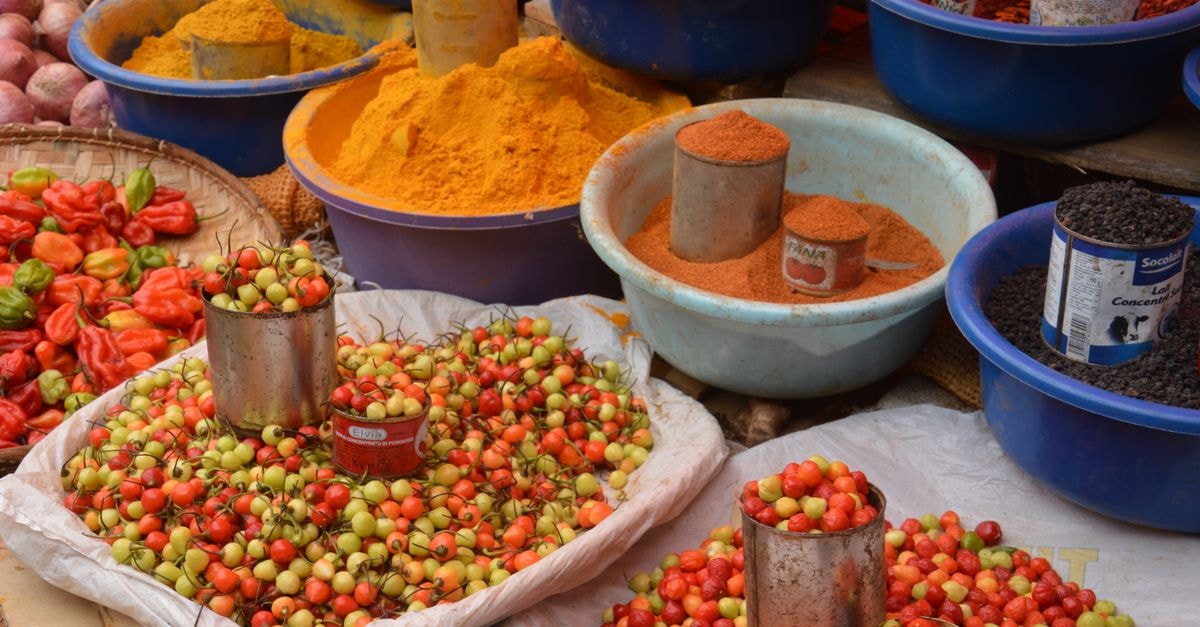
Muamba de galinha is one of Angola's signature dishes. It is a rich stew, often the color of molten brick, with palm oil giving it a glossy, reddish look, and okra adding a characteristic silky texture to the sauce, along with a gentle chili warmth. It is typically eaten with funge, a manioc-flour staple that is central to Angolan cooking and appears alongside many of the country's traditional dishes.
In a small, remote town, menus tend to be shorter and more dependent on what is available locally, but the fundamentals of Angolan home cooking still tend to show up in simpler forms: a stew, a starch, something green from the market. Travelers who are curious and willing to eat where locals eat will usually get a more authentic sense of the place than those looking for a familiar international menu. Angola itself is a sizable country, with a population in the tens of millions and Luanda as its capital, and that national scale is part of why even a small frontier town like Mavinga is tied into broader Angolan food traditions.
For travelers with a strong interest in regional food, the practical move is to ask locally about what is being cooked that day rather than to look for a fixed menu. For travelers with strict dietary needs or a low tolerance for unfamiliar ingredients, packing a few familiar staples can make a remote stay easier.
Verifying the details before you go
A single useful question to ask before booking: what is the current access status for Mavinga National Park, including permits, guide availability and transport from the town? Sorting that out in advance tends to shape the rest of the trip more than any other detail.
Prices, opening hours, schedules, reservation rules, and local conditions can change; verify them through official channels before departure.
Share this article
TOOLS FOR THIS PLAN
Make the Mavinga plan measurable
Choose a tool only when it answers the next question in your trip. Your values stay in the browser, and each tool offers a route back to this planning context.