A Pacific city with two personalities

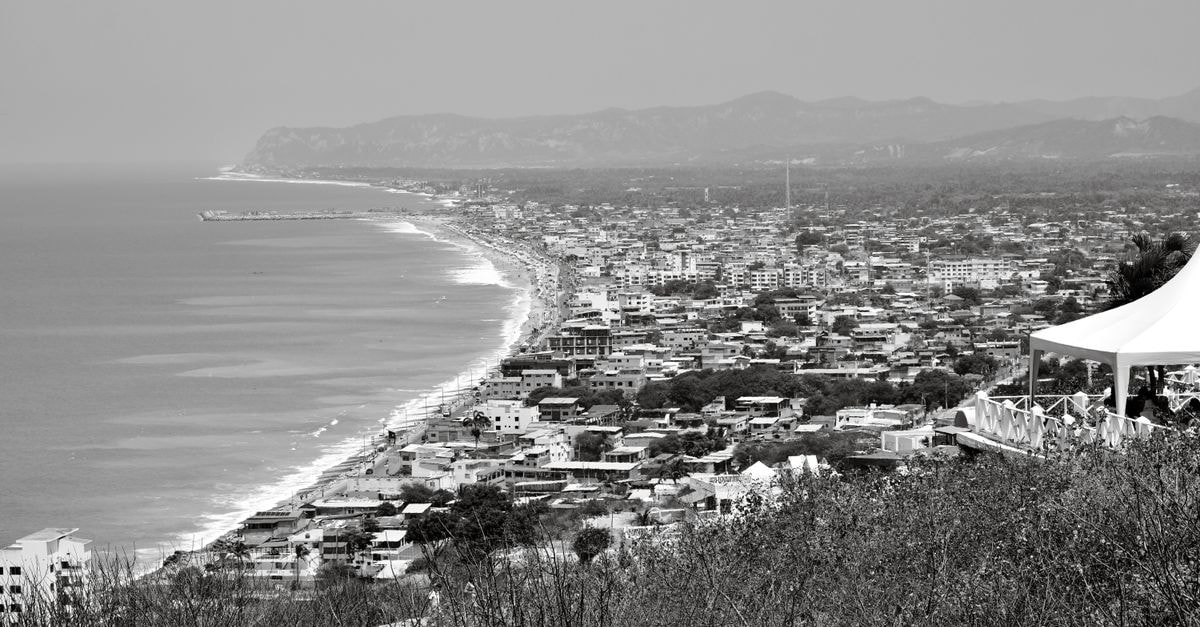
Mazatlán sits on Mexico's Pacific coast in the state of Sinaloa, a place where the Sierra Madre Occidental tumbles down to meet the sea. That geography gives the city a remarkably hilly backdrop, a quiet contrast to the flatter resort strips elsewhere on the coast. The result is a destination that feels layered: long sandy beaches on one side, and a centuries-old town center rising on the other.
It is often described as the oldest major beach resort on Mexico's Pacific coast, and that double identity, colonial town plus ocean playground, shapes how visitors experience it. Canadians and Americans have long treated Mazatlán as a vacation and retirement favorite, drawn by its beaches, its scale, and the slower rhythm that comes with a city built for lingering rather than rushing.
A city shaped by its streets and its shoreline
Mazatlán is unusual among Pacific coast destinations because the beach experience and the historic town are not separated by a highway or a resort wall. You can step off the sand and walk straight into streets and alleys that lead into the city's remarkable historical past. It is the only beach destination on Mexico's Pacific coast where that kind of seamless walk from shore to old town is part of the everyday geography.
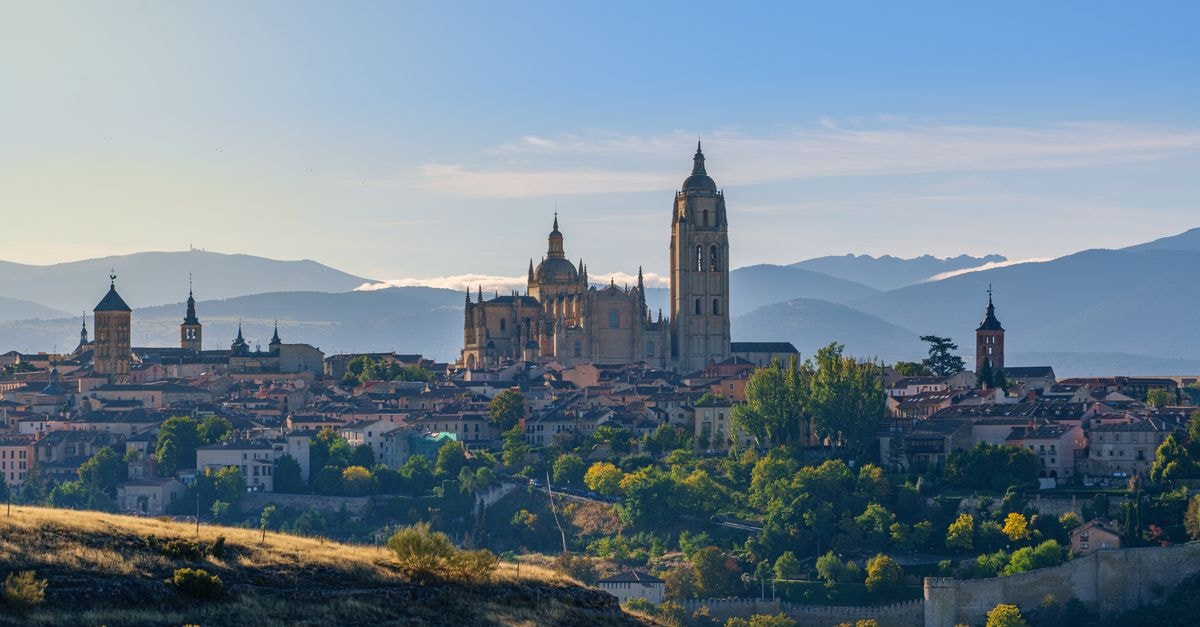
That continuity gives the city a sense of discovery. Mornings can begin with coffee overlooking the ocean and end with a quiet stroll past buildings that have anchored the town for generations. At the heart of that historic fabric stands the city's main religious temple, which has long served as the community's central place of worship. It is the kind of anchor point that orients visitors as they explore on foot, a visual reminder that Mazatlán is more than a postcard.
Getting around the long shoreline
Mazatlán's coastline stretches along Mexico's longest oceanfront promenade, a 21-kilometer ribbon that connects neighborhoods, viewpoints, and beaches along the Pacific. For travelers, that promenade is less a single attraction than a practical spine: it lets you walk between many of the things you might otherwise need a car to reach, and it offers a changing view of the hills, the surf, and the town beyond.
The dramatic backdrop of the Sierra Madre meeting the sea also means the city does not sprawl flat. Streets climb and dip, especially as you move inland toward the older neighborhoods. Comfortable shoes matter more here than in many coastal cities, simply because the terrain invites walking but rewards a steady pace. Public transport and taxis fill the gaps for longer distances, but the promenade and the walkable old town give independent travelers plenty of room to explore without an itinerary.
Food culture and the wider Mexican welcome
In the wider Mexican context that visitors encounter in Mazatlán, mealtimes carry a relaxed, social quality. Mexico is an extremely child-friendly culture, where children go to adult restaurants, stay up late at family events, and are included rather than sidelined.
For visitors, that means a few practical things. You will rarely feel out of place bringing children to a restaurant in the evening, and family-style seating is the norm rather than the exception. Meals tend to unfold slowly, conversation carries on past sunset, and the restaurant experience is treated as a shared ritual rather than a quick stop. It is a nationwide cultural habit that shapes how an evening in Mazatlán feels, even in a casual beachfront setting.
Planning your time without overplanning
Mazatlán rewards travelers who leave room in the day for the unexpected turn down a side street, the long lunch that runs into a sunset walk, the second coffee because the view is too good to leave. The combination of a 21-kilometer oceanfront promenade, a walkable historic center, and a dramatic natural backdrop means you can fill a short visit with very little planning, or spend a longer stay going deeper into neighborhoods and beaches further along the coast.
Because the city is built around both the sea and its old streets, a useful rhythm is to split each day between shoreline and town. Mornings can work well on the beach or the promenade, offering a relaxed start before the day heats up. Late mornings and afternoons belong to the historic streets, where shade and stairways invite slower exploration. Evenings bring the town back to life, with families, music, and the kind of lingering dinners that Mexican hospitality is known for.
A note on what can change
Travel conditions evolve. Opening hours, transport options, and local services in Mazatlán can shift over time, and details that are accurate today may not match what you find on arrival. Before your trip, it is worth checking official tourism channels and current local information for any updates that might affect your plans, especially around transport, access points, and family-oriented services.
Rates, schedules, and operating details mentioned anywhere in travel resources should be treated as reference points, not guarantees. A flexible mindset, comfortable walking shoes, and a willingness to ask locals for current advice will serve you better than any printed schedule. Mazatlán has long welcomed visitors who arrive curious rather than over-scheduled, and that approach still suits the city best.
Prices, opening hours, schedules, reservation rules, and local conditions can change; verify them through official channels before departure.
Share this article
TOOLS FOR THIS PLAN
Make the Mazatlán plan measurable
Choose a tool only when it answers the next question in your trip. Your values stay in the browser, and each tool offers a route back to this planning context.