A first look at Mbeya

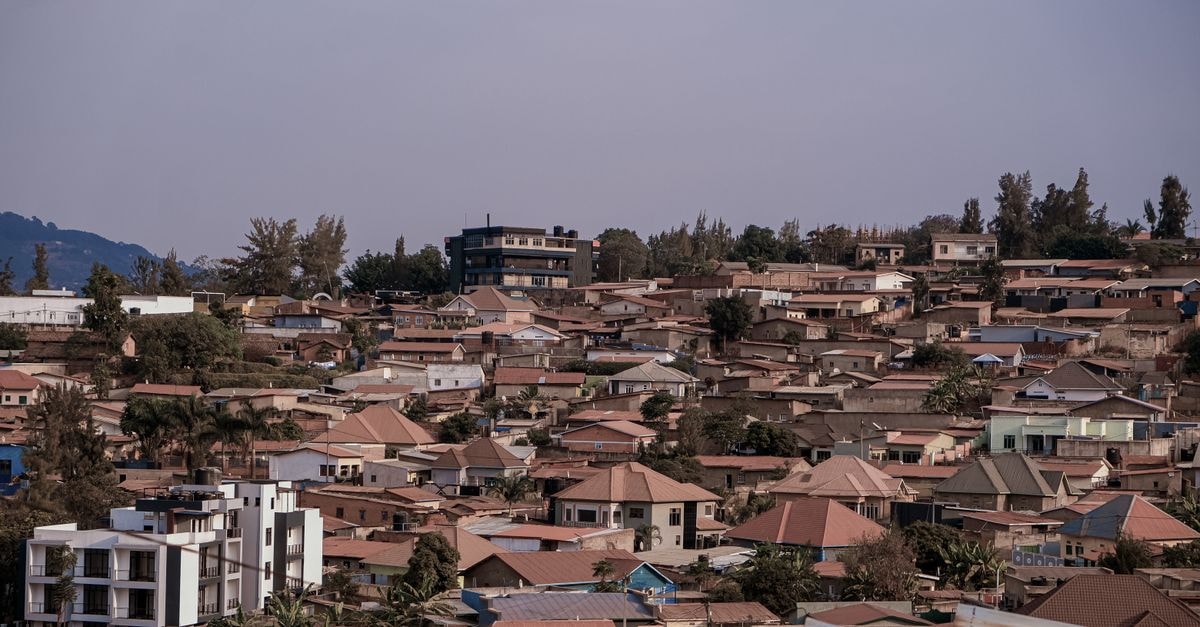
Set in Tanzania's southern highlands, Mbeya has the feel of a working regional city rather than a polished tourist hub. The pace is measured, the air tends to be cooler than in the lowlands, and the skyline gives way quickly to green ridges. For travelers who like places where daily life is part of the experience, Mbeya offers a quieter base than the better-known northern circuits.
This guide stays close to what is verifiable: how the city moves on foot, the two sights that most often draw visitors, and the kind of food you are likely to encounter.
Getting around on foot
Mbeya is not served by a metro, tram, or any rail-based urban transit, so visitors should plan around shorter, human-scale transport rather than a citywide network.
The center is genuinely walkable. The streets around the market areas and the main commercial roads feel pedestrian-friendly during the day, and many of the everyday stops a traveler needs fall within a short stroll of one another. That makes Mbeya well suited to slow mornings, a relaxed lunch stop, and an afternoon of wandering rather than a schedule built around long rides.
Two sights worth planning around
Mbeya does not present itself as a checklist city, but two attractions are widely considered the highlights for any visitor. Building a loose plan that respects the slower pace of the region usually works better than trying to pack the day.
The Mbozi Meteorite is the most popular attraction associated with Mbeya. It is a striking natural landmark and tends to be the sight travelers most often describe as a must, both for its scale and for the sense of place it gives a southern Tanzania itinerary. Allow time to get there, to look properly, and to take in the surroundings rather than treating it as a photo stop.
Malamba Waterfalls offers a different mood. Described as a gem around Mbeya, the falls reward visitors who want a quieter, more scenic outing. The falls work well as a slower half-day, especially for travelers who enjoy greenery and the sound of moving water after days spent in built-up centers.
Food and the taste of inland Tanzania
Mbeya's cuisine is described as typical of inland Tanzania, which is a useful orientation for visitors arriving with limited expectations. The food culture here is rooted in locally grown ingredients and the everyday staples of the southern highlands rather than restaurant branding, and visitors are encouraged to embark on a culinary journey by sampling local dishes as part of getting to know the city.
A relaxed way to approach food in Mbeya is to follow the rhythm of the markets and small eateries rather than searching for a single signature restaurant. Ask what is cooking that day and eat where locals are eating.
Pacing, etiquette, and small courtesies
Because the city moves at an easy pace, visitors tend to get more out of Mbeya by matching it. Mornings work well for markets and short walks through the center, while the middle of the day can be reserved for food and a rest, especially when the sun is strong.
Planning notes and a final reminder
Mbeya suits travelers who want walking-friendly streets, two genuinely memorable sights, and a clear sense of inland Tanzanian food without the feel of a heavily packaged destination. Keep your days loose, anchor them around the Mbozi Meteorite and Malamba Waterfalls, and let the city's slower rhythm set the tempo.
Travel conditions change. Opening arrangements, transport availability, and local access details should be checked through official or up-to-date local channels before you set out.
Prices, opening hours, schedules, reservation rules, and local conditions can change; verify them through official channels before departure.
Share this article
TOOLS FOR THIS PLAN
Make the Mbeya plan measurable
Choose a tool only when it answers the next question in your trip. Your values stay in the browser, and each tool offers a route back to this planning context.