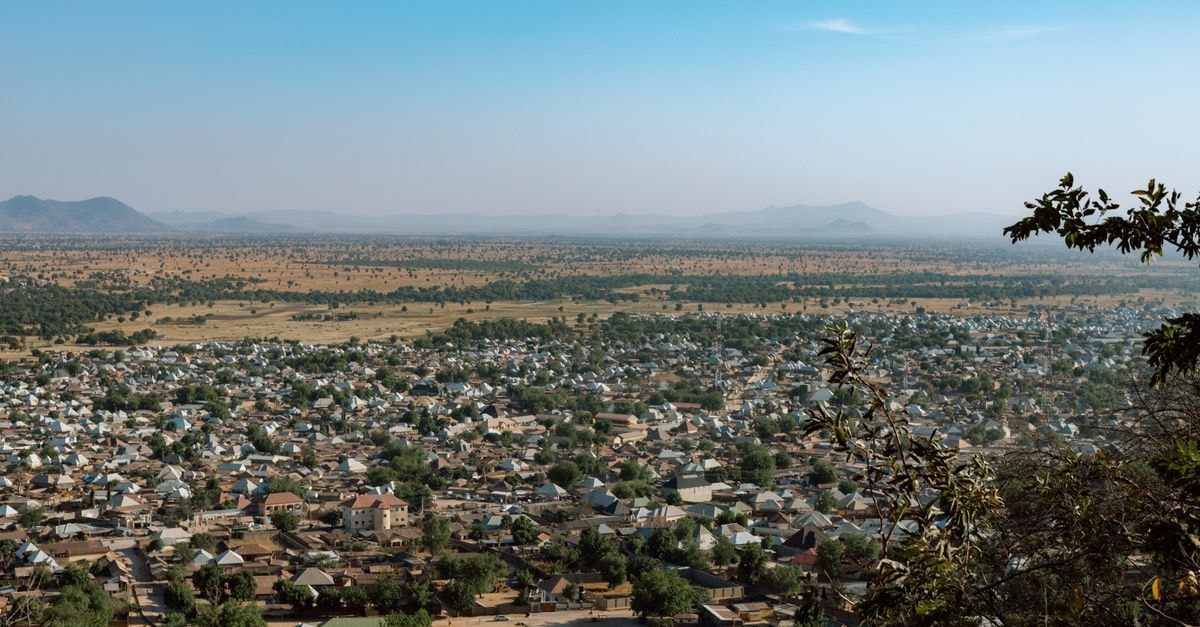
An unhurried introduction to Ménaka

Set in the Gao Region of eastern Mali, Ménaka is the kind of town that rewards travelers who arrive with patience rather than a checklist. It sits deep in the Sahel, where the rhythm of life still follows long-standing trade and community patterns, and where a short walk can feel like a small cultural expedition. This guide keeps things grounded: what the climate generally feels like, the few named landmarks visitors mention, and the broader Malian food and customs context you may encounter as you move through town. There are no ticket queues to rush or staged attractions here — just a place to read slowly and pay attention.
The approved factual record for Ménaka is lean, and that itself is useful information. Rather than pad this guide with assumptions, the following sections work only with what the sources actually say, while still giving you a sense of how to approach a visit.
Weather and seasonal context
The clearest thing the climate record offers is a directional cue about when hot-weather activities tend to feel most comfortable. According to long-run weather data summarized for Ménaka, the period from late October to late March generally ranks as the most pleasant window for outdoor, heat-sensitive plans such as longer walks, market browsing, or sitting outside at a café. Outside that window, conditions can feel notably hotter, and a slow-paced day with shade breaks may suit travelers better than a packed schedule.
Two honest limits of the record are worth naming. First, the available source describes how pleasant the weather tends to be across the year rather than giving you a live forecast, so any specific temperature reading or current-condition claim would be a guess. Second, there is no direct evidence in the approved record for the exact month you happen to be reading this in. Treat any weather detail you see elsewhere as something to verify locally before relying on it.
If you prefer to keep your days flexible, the practical read is this: plan the heaviest outdoor time for the cooler hours, build in rest, and remember that even the better-rated months in the Sahel can still feel warm by midday.
Attractions and planning
Ménaka is not a city of headline monuments, which is part of its appeal for travelers who like a quieter pace. Two places tend to anchor any short visit.
The **Ménaka Mosque** is the most frequently mentioned landmark in town, recognized locally as a notable piece of regional architecture and a touchstone of the area's cultural heritage. Visitors tend to experience it as a focal point of the townscape rather than as a ticketed attraction, and treating the visit as a respectful stop — modest dress, quiet behavior, and asking before photographing people — is the right framing.
Surrounding the town, **traditional villages** offer a second layer of the visit. Sources describe these settlements as a way to engage with the living cultural heritage of the Gao Region, where everyday life still reflects long-standing community practices. A short visit to a nearby village can be one of the more memorable parts of a Ménaka trip, especially for travelers interested in everyday architecture, craft, and conversation rather than museums. Because details such as whether a particular village welcomes visitors on a given day, who to ask, and what local etiquette applies are not specified in the approved record, those are points to confirm on the ground before you set out.
Travelers who prefer structured sightseeing with set opening times, audio guides, and clear entry points may want to reconsider the kind of trip they are planning here. Ménaka rewards curiosity, conversation, and flexibility more than it rewards a tightly timed checklist.
Food and local context
Food in Ménaka is best approached with two things side by side: the city's central market as your daily anchor, and a wider awareness of Malian food customs so you know what you are likely to see on plates around you.
The **Menaka Market**, described in travel coverage as a vibrant and colorful market in the heart of the city, is the most practical single reference point for a visitor. It is the place where daily life is most visible, and where you can orient yourself to local produce, staples, and the rhythm of the town. For travelers who enjoy markets as the main way to read a place, this is where to start.
Beyond the market, the approved record offers only country-level context for Mali. That context is useful to know so you can recognize dishes and customs when they appear on a shared plate or in a simple eatery, but it should be read as wider Malian background rather than as a Menaka specialty or a guarantee of any specific restaurant.
Across Mali, cuisine varies by region, but a few country-wide staples are worth recognizing:
- **Grain-based dishes** built around millet, rice, and sorghum, often eaten as a thick porridge or with a sauce. - **Stews and sauces** that typically pair those grains with vegetables, legumes, or fish. - **Shared-plate eating**, where food is commonly served in a communal dish and eaten by hand or with a simple utensil, depending on the setting. - **Tea culture**, with strong, sweet mint tea served as a gesture of hospitality in many parts of Mali.
The approved record also mentions a single named Mali restaurant outside Bamako — Bar Le Bozo on the Mopti harbour — as a reference point for the kind of open-air, waterfront setting you may encounter in other Malian towns. It is country-level context, not a Menaka recommendation, so treat it as a flavor of Mali's bar-and-restaurant culture rather than a place to plan around.
For travelers with a more cautious palate or strict routine, the practical note is straightforward: stay close to busy, well-trodden stalls, drink bottled or treated water, and let the market guide what looks freshest that day.
Choosing what fits your trip
Ménaka suits travelers who want culture, conversation, and a slower pace more than a packed sightseeing list. If your interest is regional architecture and heritage, the Ménaka Mosque is the obvious anchor. If your interest is everyday life and craft, the surrounding villages and the central market are the more rewarding stops. If your priority is a structured itinerary with fixed schedules and reservations, you may want to look at other Malian cities with more developed tourism infrastructure, because Ménaka's appeal lies in the parts of a trip that cannot be pre-booked.
A note before you go
Travel conditions in this part of Mali can shift, and the record behind this guide does not confirm current security, road, or service conditions. Before you travel, check official travel advisories, confirm transport options on the day, and ask your accommodation or host about local norms you should follow. Keep some flexibility in your plan, carry small bills for the market, and treat any specific price, timetable, or opening detail you hear locally as something to verify in the moment rather than something to assume from this guide.
Prices, opening hours, schedules, reservation rules, and local conditions can change; verify them through official channels before departure.
Share this article
TOOLS FOR THIS PLAN
Make the Menaka plan measurable
Choose a tool only when it answers the next question in your trip. Your values stay in the browser, and each tool offers a route back to this planning context.