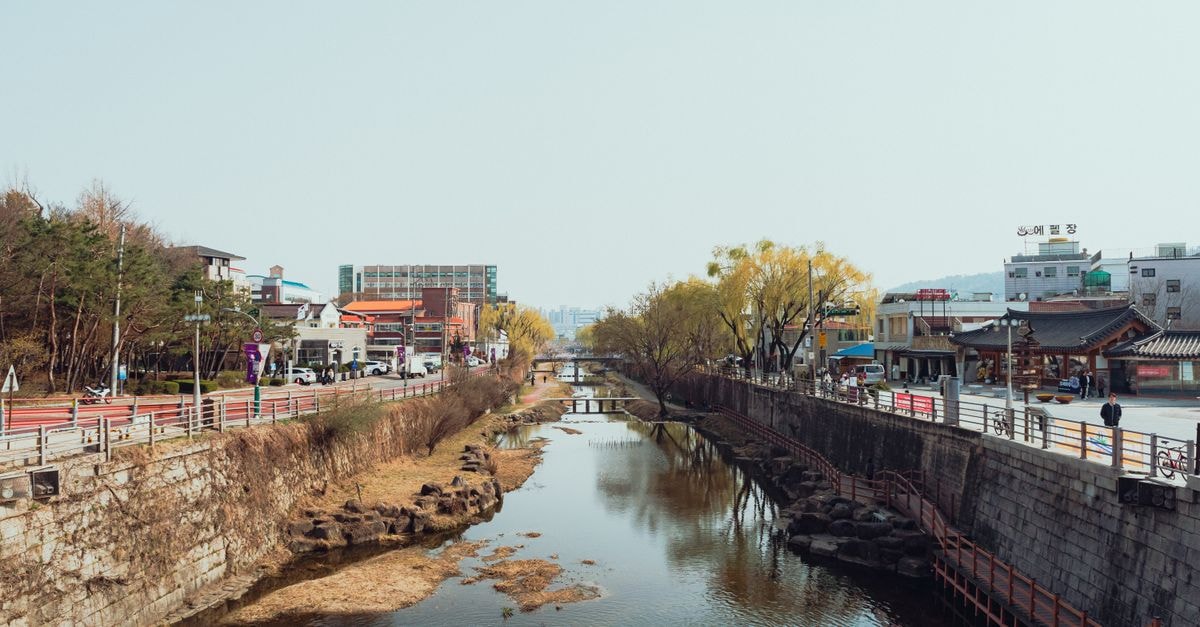
Setting the scene in Mengzi

Mengzi sits in Yunnan’s Honghe region and wears its history lightly. The city is small enough to explore on foot between a handful of anchors, and quiet enough that a slow morning can feel like the main event. What pulls visitors here is not a single blockbuster sight, but a layering of stories: a French-influenced railway past, lakeside parks framed by low hills, and a campus where some of modern China’s most celebrated scholars taught during wartime. If you enjoy cities with a sense of place rather than a checklist of attractions, Mengzi tends to reward that kind of curiosity.
Attractions and planning
Mengzi’s attractions are best understood as a small set of distinct themes, and the city lends itself to half-day explorations rather than a packed schedule. A useful way to plan is to cluster the heritage sights near the old railway quarter and pair them with a park visit afterward, since several of the most popular landmarks sit within easy reach of one another (F3-1, F3-2).
The National Southwest Associated University (Mengzi Campus) Memorial Hall anchors the historical thread of a visit. The wider campus is associated with the wartime relocation of the university, a period when many of China’s most influential scholars taught in the Yunnan countryside. The memorial hall is often grouped with city listings as a primary sightseeing focus, and it pairs naturally with the railway heritage of the old town (F2-1, F3-1).
If you prefer slower itineraries, the half-day “classic” framing works well: focus on the city’s historical railway charm and a scenic park visit, then leave the afternoon open. Travelers who like to follow a season often look for fall viewing spots; Mengzi is listed among destinations with fall scenery, so visitors interested in seasonal color may want to ask locally about current highlights (F2-1, F2-2).
Two practical notes for planning. First, attractions are clustered, and most travelers move between them on foot or by short rides; the city does not require an ambitious transit plan. Second, the memorial hall, the park, and the museum each reward a different pace, so consider choosing two rather than trying to compress all of them into a single rushed morning. If railway history is your main reason for coming, begin at the memorial hall and the old railway quarter; if nature and local life pull you more, start at the park and let the museum be the calmer second half of the day (F3-1, F3-2).
Food and local context
Yunnan is one of China’s most varied food regions, and Mengzi sits inside a province where eating is treated as a serious pleasure. As wider Chinese food culture notes, China boasts one of the world’s greatest and most varied cuisines, and a meal here can easily become the most memorable part of a short visit (F5-1). That variety travels well across Yunnan’s prefecture-level cities, and visitors tend to find that small local kitchens, market stalls, and casual restaurants produce some of the most satisfying meals.
Dining across China is also shaped by long-standing customs and etiquette that visitors may encounter in Mengzi even if these practices are nationwide rather than city-specific. China has a long history of ritual and etiquette, and eating is a highly important feature of its culture, so naturally dining etiquette has developed to a high degree (F5-2). Customs and etiquette in Chinese dining cover the traditional behaviors observed while eating in Greater China, from how dishes are shared to how tea and chopsticks are handled at the table (F4-1). A useful approach is to watch the rhythm of a local table before diving in: shared dishes in the middle, rice or soup bowls close at hand, and a pace set by the people you are eating with.
For travelers with specific dining preferences, a few practical pointers help. If you prefer a quieter meal, midday lunches in Yunnan cities can be busy, so an earlier or later lunch tends to feel calmer. If you are curious about regional flavors, ask locally about what is in season and what the kitchen recommends; in a province this diverse, the answer often shapes the meal more than any preset menu would. Travelers who prefer familiar dishes can usually find them, since larger restaurants and hotel dining rooms in Yunnan cities typically offer both regional and broader Chinese options. None of these adjustments requires special planning; they simply shape the texture of a meal in a place where food is part of the welcome (F4-1, F5-1, F5-2).
Choosing what fits your trip
The trade-off in Mengzi is less about what to include and more about how to pace it. Travelers who want depth in a single thread should pick a focus: railway heritage paired with the memorial hall for history interest, or Nanhu Park plus the museum for a softer half-day with a cultural capstone. Visitors who prefer variety can comfortably combine the memorial hall with a park visit, since the city’s anchors cluster close together. If seasonal scenery matters to you, confirm local conditions on the ground rather than relying on a generic season label. None of these choices requires a long stay; Mengzi rewards travelers who let a half-day unfold rather than rushing between sights.
Practicalities to keep in mind
Mengzi is a small city with most attractions in a compact core, which keeps logistics simple. A short walk between the memorial hall area, the park, and the museum is typical, and taxis and ride-hailing are easy to use for anything further out. Carry small bills for market purchases and expect restaurants to be informal in dress and pace. As with any travel plans, verify current opening hours, ticket arrangements, and transport details through official channels before you go, since conditions can change. With that in mind, Mengzi makes a calm and rewarding stop for travelers who enjoy a city where the past, the parks, and the kitchen all sit within a short stroll of one another.
Share this article
TOOLS FOR THIS PLAN
Make the Mengzi plan measurable
Choose a tool only when it answers the next question in your trip. Your values stay in the browser, and each tool offers a route back to this planning context.