A coastal city where ancient ports meet modern streets

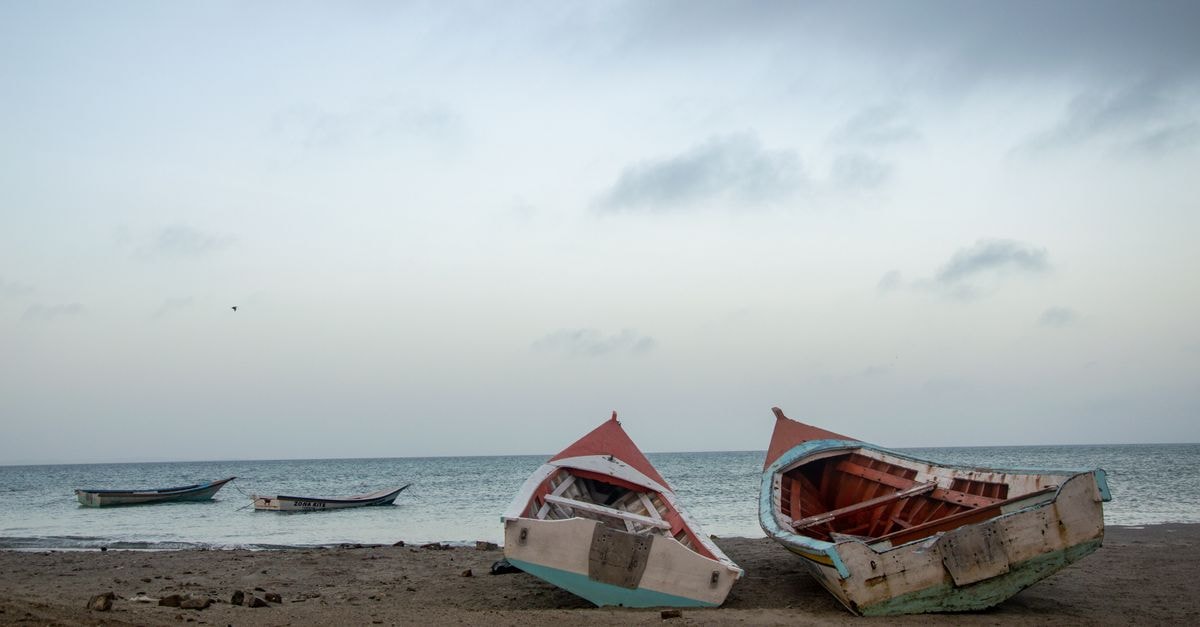
Mersin sits along the Turkish Mediterranean like a long, sun-bleached ribbon, where freighters drift past sandy beaches and the call to prayer drifts over palm-lined avenues. The city carries a working-port energy rather than a polished resort polish, which gives it an unforced charm that travelers who like a bit of grit alongside their sea views tend to enjoy. You can spend a morning wandering among Roman remains, an afternoon riding a city bus along the corniche, and an evening sharing small dishes in a casual lokanta.
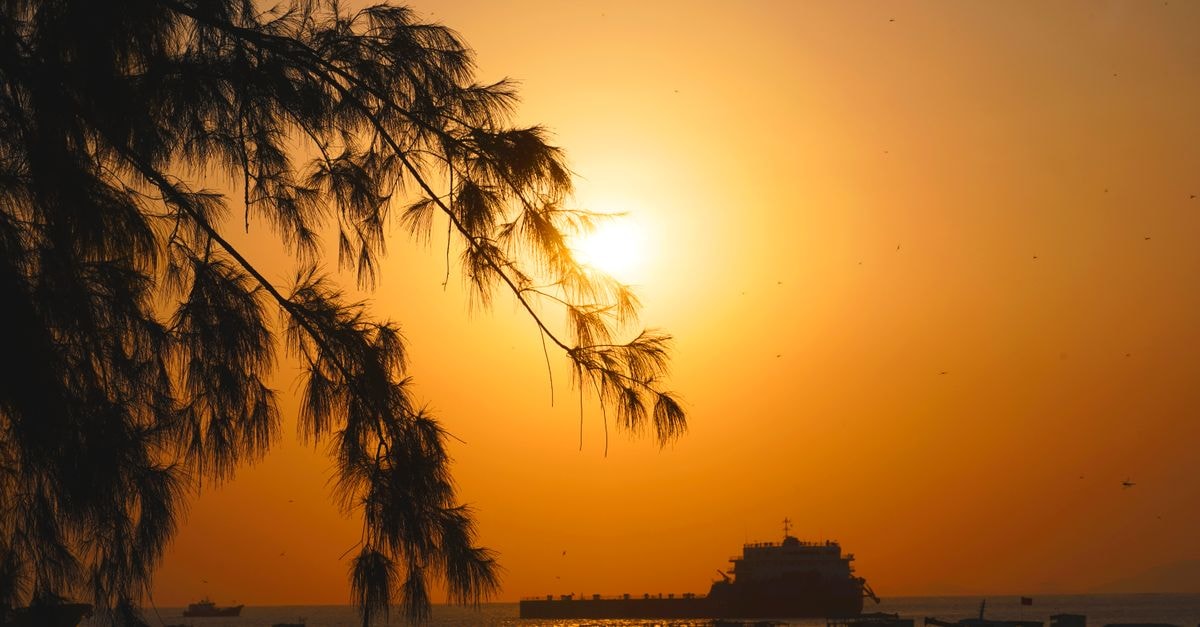
This guide leans into that mix: a place where you can dig into archaeology without long transfers, then walk back to a waterfront where cargo cranes silhouette against the sunset. Because the evidence behind it is focused on the city itself rather than any single month, it is written as durable, evergreen advice that you can apply whenever your trip falls.
Weather and seasonal context
The available weather evidence does not give specific temperatures or rainfall figures, so any month-by-month expectation would be guesswork. What the source materials do anchor is the geography itself: Mersin is a Mediterranean coastal city, and that setting tends to shape how a day here feels. Hot, still afternoons give way to breezier evenings off the water, and the rhythm of the city naturally slows when the sun is high.
Plan light layers, breathable fabrics, and a willingness to retreat into a museum or shaded café during the warmest hours. Sun protection is more than a nicety on a coast like this, and water bottles earn a place in any day bag. If you tend to wilt in prolonged heat, schedule outdoor sites for the start or end of the day, and treat the middle stretch as indoor time.
Getting around
Mersin is described as a Mediterranean port city, which already tells you something useful: the sea is part of the orientation, not just a backdrop. The same source notes that navigating the city is relatively straightforward, thanks to a comprehensive network of road-based public transportation. That network is the backbone of a self-guided visit, especially if you are based centrally and willing to use buses and dolmuş-style minibuses for the longer stretches.
For visitors, the practical implication is that you do not need to rely on taxis for every crossing. Buses and shared vehicles cover the corniche and link residential districts with the downtown core, which makes it realistic to bounce between a coastal morning, a museum afternoon, and an evening stroll without a car. If you are staying outside the center, factor transfer time into your day rather than assuming a quick hop.
Attractions and planning
The headline site here is Soloi-Pompeipolis, the remains of an ancient Roman city, and it is a strong reason to put Mersin on the map for any traveler with a taste for antiquity. Allow time for the site itself and for the journey out, since Roman ruins rarely reward a rushed stop. A quiet morning tends to suit both the heat and the contemplative pace these places ask for.
Back in the city, a rich museum tour programme awaits in Mersin city centre, which is a useful umbrella for the cultural stops you can fold into a busy day. The Mersin Archaeology Museum is a specific anchor within that programme: historical artefacts from various ancient cities from the region are gathered here, giving context to what you may have just walked among at Soloi-Pompeipolis. Pairing the outdoor site with the museum is the kind of pairing that tends to suit travelers who like to connect stones with stories.
For a first-time visit, the same overview notes a useful tradeoff between neighborhoods. Staying near the coast works best for visitors who prioritize swimming and castle-adjacent sightseeing, though doing so means giving up some of the city’s dining and museum scene, since those cluster more centrally. Quieter residential districts slightly inland often appeal to families who prefer more space for less money, with the trade-off being extra transit to reach the waterfront. If you care most about evenings of restaurant hopping and late museum hours, a central base is the easier fit; if you care most about sea swims and castle views, a coastal base will feel more natural.
Food and local context
Mersin does not come with city-specific dish lists in the available evidence, so any menu recommendations here would be invented. What the sources do support is the wider Turkish context that frames how a visitor eats in Mersin. Culinary culture in Türkiye is shaped by the country’s prevalent cultural, geographical, ecological, and economic characteristics and by its historical process, which means meals tend to reflect region, season, and household habit rather than a single standardized style.
In practice, that translates to a few traveler-friendly habits. Expect meze-style plates shared across the table, fresh produce and seafood along the coast, and tea or ayran served with almost any pause in the day. A generalist approach works well: order what neighbors are eating, ask what is local rather than what is familiar, and treat the kitchen as part of the sightseeing. Because the city-specific food facts are limited, treat any specific restaurant recommendation, signature dish, or price you hear on the ground as something to verify in person rather than as a given.
Choosing what fits your trip
The honest shape of a Mersin trip depends on which tradeoff you accept. A centrally based itinerary will reward travelers who want easy access to the museum programme, the archaeology museum, and the dining scene that clusters near the old center, at the cost of a slightly longer journey to the coast. A coastal base will reward swimmers and castle-itinerary planners with morning sea dips and sunset silhouettes of port cranes, at the cost of a bus ride back into town for evening meals and galleries. If Roman ruins are your headline, anchor the trip around Soloi-Pompeipolis and let the museum in town provide context on quieter hours. None of these choices is wrong, and the city is small enough that the bus network makes any of them workable.
Before you go
Public bus routes, museum opening days, and neighborhood character can shift over time, so a quick check with your hotel, the local tourism desk, or current transit information before you arrive will save surprises. Treat the prices, hours, and route details you hear on the road as a starting point rather than a guarantee, and confirm anything that affects a tight schedule.
*Factual travel conditions can change; always verify current details through official channels before departure.*
Share this article
TOOLS FOR THIS PLAN
Make the Mersin plan measurable
Choose a tool only when it answers the next question in your trip. Your values stay in the browser, and each tool offers a route back to this planning context.