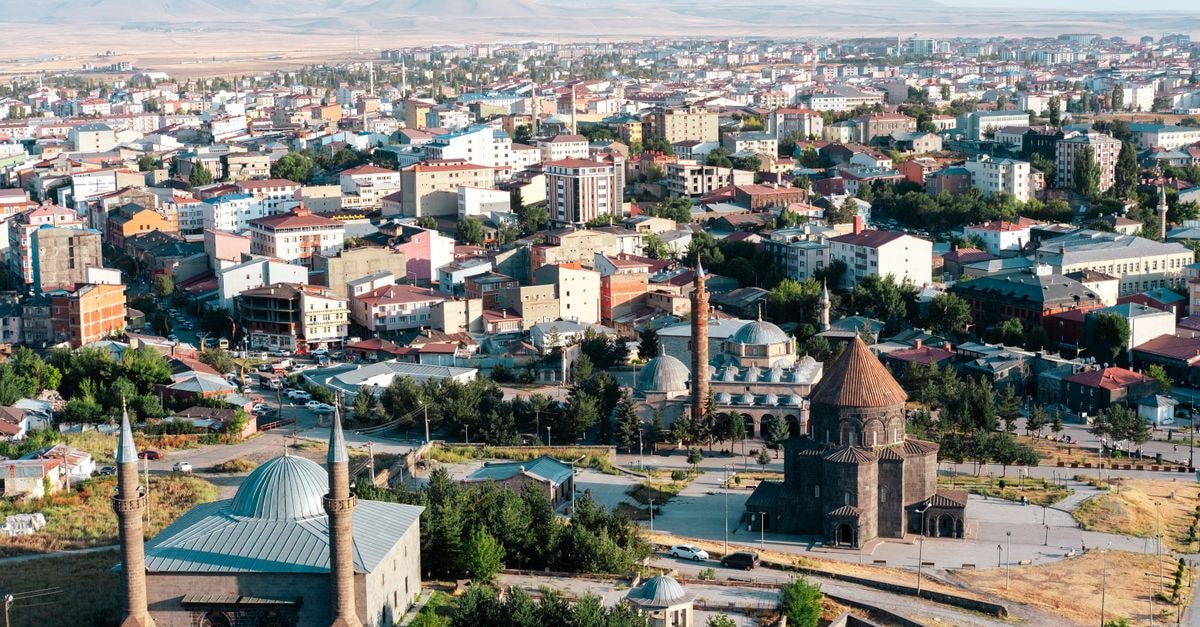
A first impression of Meru

Tucked into the green folds of Kenya's eastern highlands, Meru has a way of slowing visitors down. The town sits below the slopes of Mount Kenya, and its streets carry the unhurried rhythm of a place rooted in farming traditions and community life. Travelers who arrive here are often en route to bigger-name safari destinations, but the town itself rewards a slower look: a regional museum that traces the heritage of the Ameru people, a wider county that opens onto national parks and forest reserves, and a food culture that grows directly out of the surrounding land.
This guide pulls together what is reliably known about Meru at the city level — its core attractions and the food traditions that visitors are likely to encounter — so you can shape a visit that feels intentional.
Heritage and museums
For travelers who like to understand a place before walking deeper into it, Meru offers a clear cultural starting point. The Meru Museum is described as serving as more than a visitor attraction, functioning instead as an educational and research resource tied to the heritage of the Ameru people. That framing matters for planning: it suggests a stop that rewards curiosity rather than a quick photo, and one where local context is part of the experience.
A visitor who enjoys grounding a trip in regional history may want to set aside unhurried time here, since the museum's role as a research-oriented site implies depth in its collections. Travelers with a more general interest in heritage can still expect a meaningful introduction to the Ameru people, the dominant community of the surrounding region, before heading out into the county's natural landscapes.
Nature and the wider county
Meru town sits within a county that opens onto some of Kenya's most rewarding protected landscapes. Meru National Park is widely listed among the top tourist attractions in the Meru area, alongside Lewa Wildlife Conservancy, Bisanadi National Reserve, Nyambene National Reserve, Ngare Ndare Forest Reserve, and Adamson's Falls. Each of these belongs to the wider Meru region rather than the town itself, so visitors should treat them as separate excursions that require their own planning rather than casual detours.
Because these sites sit outside the urban center, a traveler interested in nature will likely base a safari or forest day outside town. Meru town itself remains the practical anchor for arranging transport, finding local guidance, and connecting with regional context before or after a wilderness experience. The mix of cultural and natural heritage is part of what gives the area its identity: a town shaped by the Ameru community, sitting at the threshold of parks, reserves, and forested hills.
Food and local context
Food in Meru is central to both daily life and ceremonial occasions, which means a meal here is rarely just fuel — it is part of how people mark time, gather, and celebrate. The traditional foods of the area reflect the agricultural and pastoral base of Meru society, drawing on what the surrounding highland farms and herds can produce.
Visitors to Meru will be eating within a wider Kenyan food culture that is often described as carrying the scent of wood smoke, and that shifts noticeably from region to region across the country. Kenya's culinary character swings sharply by region, so what reaches the table in Meru tends to reflect local agriculture more than a single national menu. Meals may highlight staples familiar across Kenya — maize, beans, vegetables, milk-based preparations, and grilled or stewed meats — but the rhythm of when and how these dishes appear is shaped by local custom.
For travelers, the practical takeaway is simple: food in Meru is something to approach with openness rather than a fixed checklist. Letting local guidance shape what you try, and being willing to accept what is offered, usually leads to a richer experience than searching for any specific restaurant or signature dish. If you prefer structured meals, consider asking your hosts or local contacts what is typical for the time of day or occasion.
Choosing what fits your trip
Different travelers will weigh Meru's offerings differently. If your priority is cultural depth, the Meru Museum's role as a heritage and research site makes the town itself a worthwhile stop, even without venturing into the parks. If wilderness is the main draw, Meru town works best as a base for reaching the surrounding reserves rather than as a sightseeing destination in its own right. Travelers with a strong interest in regional food will find that the area's agricultural roots are visible in everyday meals, while those who prefer familiar cuisine can usually find it through standard Kenyan offerings. The right balance depends less on the calendar and more on how you want to spend your hours in the highlands.
A note before you go
Travel conditions in and around Meru can change. National park access, reserve fees, museum hours, and local services are best confirmed through official channels shortly before travel. Treat this guide as a starting framework for understanding Meru's heritage, landscapes, and food culture, and verify any specific arrangements — transport into the parks, museum visits, or guided excursions — with current local sources before you set out.
> **Disclaimer:** Factual travel conditions can change. Please check official channels for the latest information before departure.
Share this article
TOOLS FOR THIS PLAN
Make the Meru plan measurable
Choose a tool only when it answers the next question in your trip. Your values stay in the browser, and each tool offers a route back to this planning context.