A city that rewards unhurried curiosity

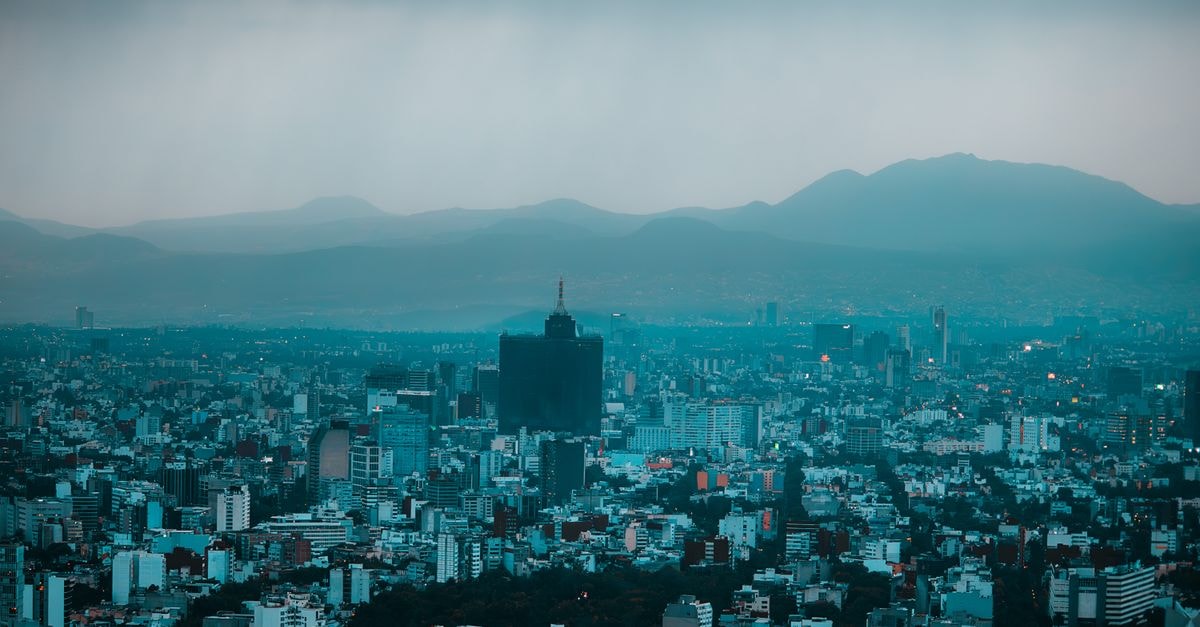
Mexico City feels less like a checklist and more like a long conversation. The skyline opens around colonial plazas, leafy boulevards, and parks where locals linger, and the air carries the warm, layered feeling of a capital that has been gathering stories for centuries. Travelers who arrive with curiosity and a willingness to wander slowly tend to leave with a deeper sense of place than those who sprint from sight to sight.
This guide gathers the practical anchors: how the weather generally behaves across the year, how to lean on the city's modernized public transportation, the cultural landmarks that consistently anchor a first visit, and the everyday food culture that turns a meal into a neighborhood experience. It is intentionally compact — built from durable, source-supported facts rather than rumor, so the advice holds up whenever you decide to visit.
Weather and seasonal context
The weather does not follow the usual beach-holiday rhythm. Sitting on a high plateau, the capital has its own climate personality: a long, mild dry stretch, a warm and rainy middle of the year, and a cool, clear finish. A practical travel takeaway is that layering matters more than a single heavy coat or a single summer outfit — mornings can feel crisp while afternoons warm up, and rain can roll in quickly when it arrives.
Because the weather shifts gently across the year rather than swinging between extremes, the city invites the kind of slow walking that good travel is made of. You can match your trip to the climate texture you prefer — dry and bright for park afternoons, or the rainy window for moody museum mornings and cafe culture — without needing to dodge any single hostile season.
Getting around
The simplest way to enjoy Mexico City without complications is to lean on its modernized public transportation. Visitors who build their plans around the metro and the supporting transit network tend to move between neighborhoods quickly, and they get a more grounded feel for the city's daily rhythm than travelers who stay sealed inside ride-shares.
That said, the city is also built for walking within its core neighborhoods. Parks, plazas, and the stretches between major museums often reward a slower pace, and using transit for the longer hops while walking the in-between distances tends to feel like the most natural way to experience the capital.
Attractions and planning
Mexico City holds an unusually deep bench of cultural landmarks, and a first visit usually circles back to a few anchors that consistently reward the time spent there.
The **National Museum of Anthropology** is widely regarded as the city's best history museum and sits inside the green expanse of Chapultepec. It is the kind of place where a couple of focused hours can replace a week of scattered stops, especially for travelers who want context before they wander the rest of the city. Pairing it with a slow walk through the surrounding park is a natural way to spend a half-day.
For a different layer of history, the **Museo Nacional de Historia** is located inside **Chapultepec Castle**, with exhibits that trace Mexico's story and display important historical objects. The castle setting itself — on a hill overlooking the park and the city — gives the visit a strong sense of place that goes beyond the gallery walls.
Between museum days, **Parque México** in the **Condesa** neighborhood offers tree-lined paths and a quiet dose of Art Deco architecture. It works well as a reset between heavier cultural stops: a place to sit, people-watch, and let the city settle into your memory rather than your itinerary.
Food and local context
One dish that consistently defines the city's street-food identity is **tacos al pastor**: thin sheets of pork shoulder marinated in chile ancho and pineapple, stacked on a vertical *trompo* spit and sliced directly onto two small corn tortillas. It is the kind of dish that is best understood standing up, often at a small counter, watching the spit turn.
Neighborhoods also shape what you eat. Different parts of the city specialize in different traditions, with the **historic center** leaning into specialties like **tacos de lengua**, and the **Condesa** neighborhood known for **tacos de chapulines**. Wandering between these areas with a short list in mind — pastor somewhere iconic, then a neighborhood-specific specialty — tends to give a fuller picture of how local cuisine actually works in practice.
Wider Mexican food customs that visitors may encounter across the country also apply in the capital: meals tend to be social, portions are often shared, and the day is paced around food rather than squeezed in around it. Letting the day bend toward the next meal, rather than the other way around, is one of the most reliable ways to enjoy the city.
A final note before you go
This guide is built to be durable: the landmarks, the transit logic, and the food culture described here tend to hold steady across the year, even as the details of any single visit will shift with the weather, the calendar, and your own curiosity. Before you travel, it is worth checking official channels for any current conditions that might affect a specific day — opening hours, transit updates, or local events — so that the picture you have on paper matches the city you actually arrive in. Rates, schedules, and operational details can change, and a quick check before departure keeps your plans grounded.
Factual conditions change, so confirm details through official channels before you travel.
Share this article
TOOLS FOR THIS PLAN
Make the Mexico City plan measurable
Choose a tool only when it answers the next question in your trip. Your values stay in the browser, and each tool offers a route back to this planning context.