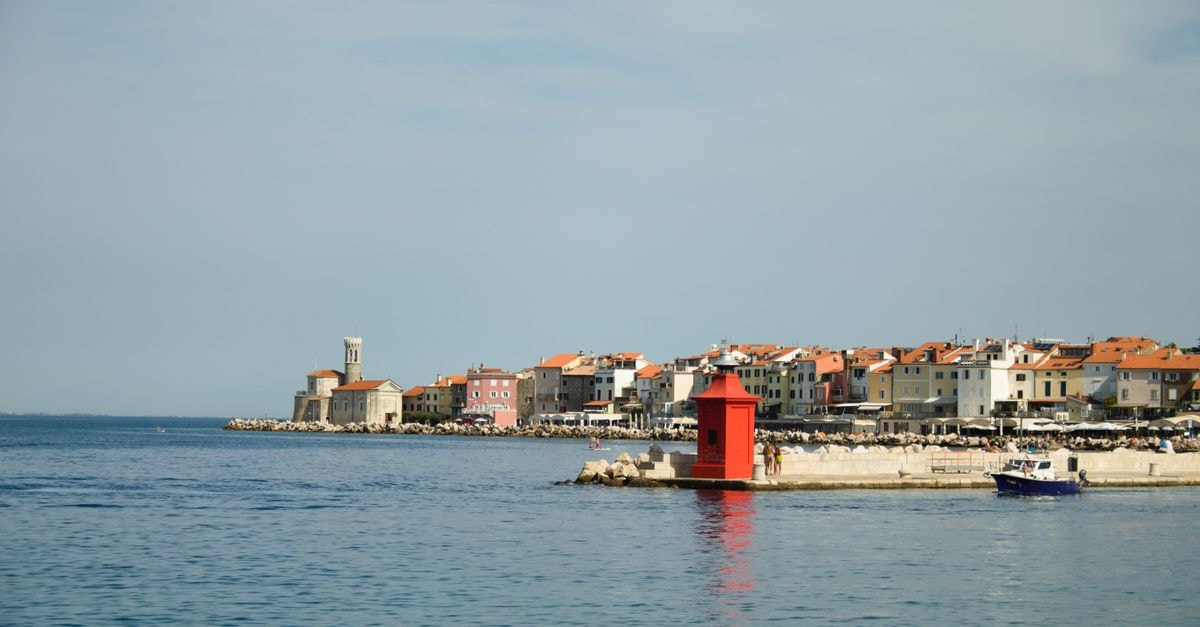
A Gentle Capital on the Zeeland Coast

Middelburg carries the quiet confidence of a provincial capital that has had centuries to settle into itself. The compact historic core reads as a single architectural conversation: abbey towers, narrow lanes, and gabled facades gathered around open squares. It is the kind of city that rewards a slow pace, where the pleasure of the trip is mostly in walking, looking, and then settling into a table for coffee when the legs ask for a rest. As the listed capital of Zeeland, Middelburg offers a small-city atmosphere that many visitors find refreshing after the density of the bigger Dutch destinations nearby.
For independent travelers planning a short break, the appeal is straightforward. The historic center is genuinely compact, the cultural footprint is rich, and the everyday rhythm of cafés, shops and restaurants is woven tightly into the street plan rather than concentrated in a single quarter.
Weather and Seasonal Context
Middelburg sits in a coastal province, and like most of Zeeland, its weather tends to be shaped by the proximity of the sea. The factual record available here does not include direct temperature figures for the current planning window, so it makes sense to treat the city as an evergreen destination and plan around the way the seasons typically behave on the Dutch coast rather than around a specific forecast.
What that means in practice is simple. Conditions can shift between mild and windy several times in a single day, and a light rain shower is rarely a surprise. If you prefer being outdoors for most of your visit, consider a layered approach to clothing rather than relying on a single weight, and think of the day as something to pace gently between indoor stops and outdoor wandering. Anyone sensitive to wind will recognize that the open squares feel more exposed than the sheltered lanes between them.
Getting Around
Middelburg is the kind of city where the journey from the platform to the first café is genuinely short. According to local visitor information, the city is easy to reach by public transport, and Station Middelburg sits only a few minutes' walk from the city center. That single fact does a lot of work for a traveler: it means you can arrive by train, drop your bag at accommodation, and step straight into the historic core without arranging a taxi or a connection.
Once you are inside the old center, walking is the natural way to move. The streets are short, the distances are forgiving, and the layout tends to orient itself around recognizable landmarks rather than anonymous grids. If you prefer to keep your day as light as possible on the logistics side, this is a place that quietly cooperates with that preference: the station is close, the sights are clustered, and the cafés appear exactly where your route begins to feel tired.
Cycling is part of the wider Dutch rhythm in this part of the country, but within the historic core itself, foot pace is usually the more enjoyable tempo for visitors who are there primarily to look at buildings and squares rather than to cover ground.
Attractions and Planning
Middelburg is consistently described as one of the most beautiful cities in the Netherlands, and the visitor press treats the city as a destination worth a dedicated list of things to do. That framing matters because it sets expectations correctly: this is not a stopover town, it is a place where the planning question is not "is there enough to fill a day" but "how do I order what I want to see."
The historic center holds the weight of the sightseeing. The abbey complex, the old town hall area, the market squares and the surrounding lanes form the spine of any visit, and they are close enough together that you can build a relaxed route without feeling rushed. Because the center is compact, you can pick two or three anchors for the day and leave the rest of the time unscheduled, which suits visitors who like the city to surprise them rather than follow a checklist.
If you are the kind of traveler who likes to enter a new city with at least a sketch of priorities, the published roundups of the best things to do in Middelburg give a useful starting structure. From there, the day tends to organize itself around the weather, the opening hours of whichever site you most want to step inside, and the locations of the cafés that look most inviting at the moment you pass them.
Food and Local Context
Eating in Middelburg is woven into the sightseeing rather than separated from it. The official Middelburg tourist information site organizes its restaurant and nightlife section broadly: activities, restaurants, regional options, foreign cuisine, pancake houses, lunchrooms and cafés. That menu of categories is itself a useful travel hint, because it tells you that the everyday eating landscape is genuinely varied within a small radius.
The same visitor information describes a range from a simple sandwich shop to more exclusive restaurants, and the language used emphasizes that good places to eat are easy to find across that spectrum. Independent travel coverage echoes this, noting that the picturesque streets hold charming shops, boutiques and plenty of cozy cafés and restaurants, which makes the city a comfortable setting for a long, lazy meal in the middle of a walk.
A practical way to think about eating here is to treat it in two layers. First, the lunchrooms and pancake houses are good anchors for the middle of the day when you want something quick and unceremonious between sightseeing stops. Second, the restaurants listed under the broader tourist information categories are where you settle in for the evening, especially if you want a sit-down meal that feels like part of the trip rather than a refueling stop. Because the city is small, you do not need to plan where you will eat in advance; you can pick what suits the mood of the day.
Choosing What Fits the Trip
A few small decisions shape the texture of a Middelburg visit more than the choice of sights does. Travelers who want the lightest possible logistics can lean on the fact that Station Middelburg is only a few minutes' walk from the center, which makes a car unnecessary once you arrive. Visitors who prefer a slower, more café-led rhythm will find that the lunchroom and café categories highlighted on the official tourism page line up naturally with that style, because the city is small enough that a coffee break becomes part of the sightseeing rather than a detour from it. If you would rather build the day around major historic anchors, the published roundups of things to do in Middelburg give a compact enough list that you can sequence a relaxed itinerary without having to research each site individually.
A Note Before You Go
Factual travel conditions can change, and details such as opening hours, restaurant availability and transport timetables shift over time. Before you travel, it is worth checking the official Middelburg tourist information pages and the national rail information for the most current guidance, so that the small decisions about your day reflect what is actually open when you arrive.
Prices, opening hours, schedules, reservation rules, and local conditions can change; verify them through official channels before departure.
Share this article
TOOLS FOR THIS PLAN
Make the Middelburg plan measurable
Choose a tool only when it answers the next question in your trip. Your values stay in the browser, and each tool offers a route back to this planning context.