A grounded first look at Migori

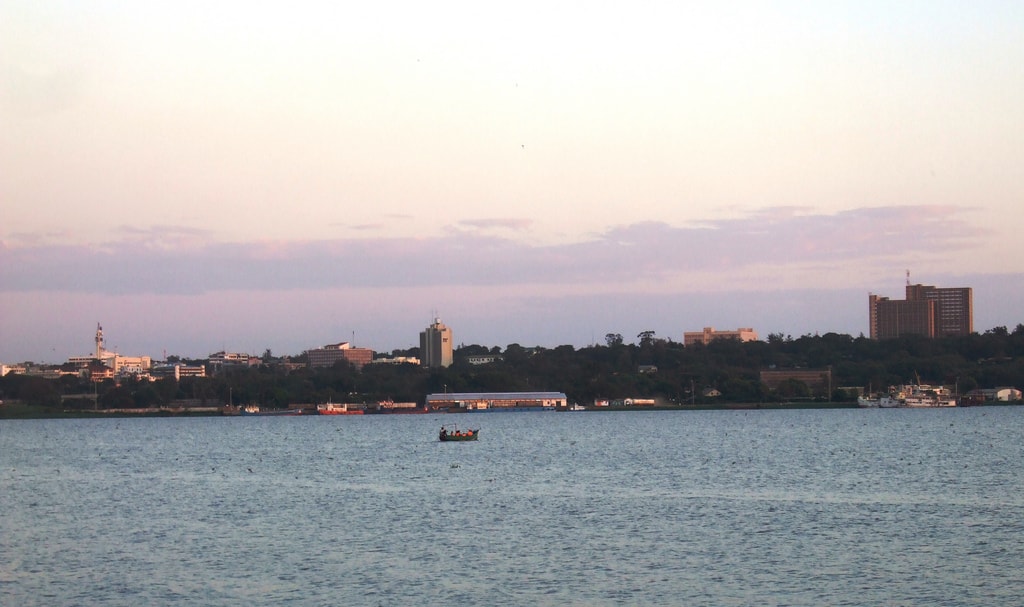
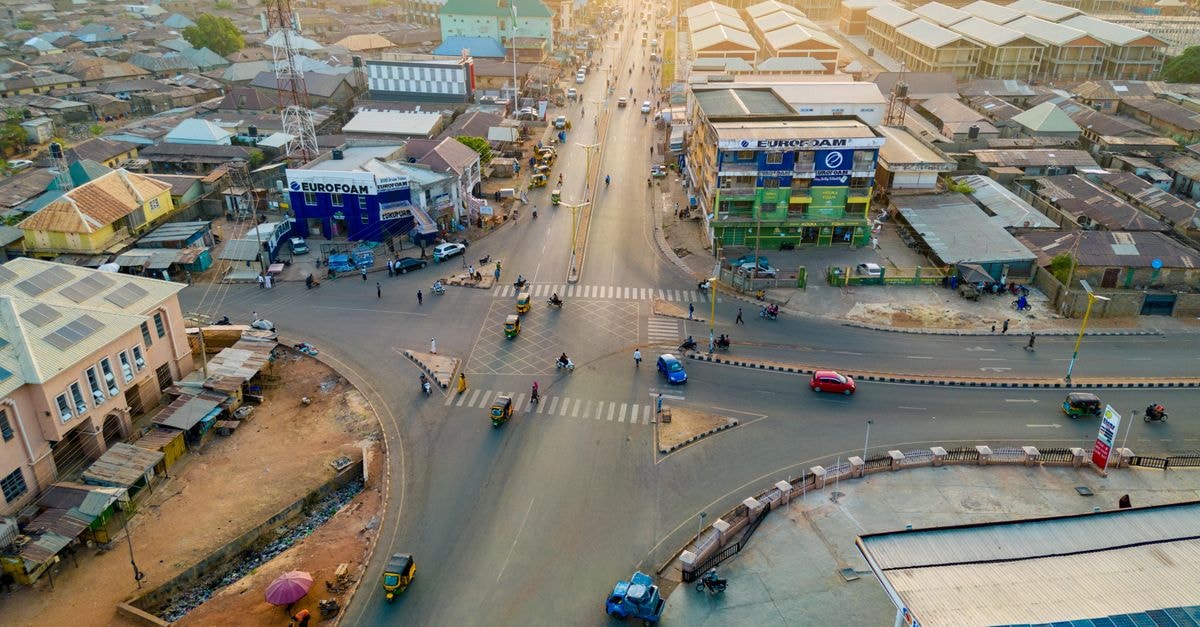
Migori sits in the western reaches of Kenya, close to Lake Victoria and the Tanzanian border. It reads as a working town rather than a polished tourist hub: the rhythm is set by matatus, market stalls, and the steady green of the surrounding countryside. Travelers who land here are usually passing through on their way to something bigger, but spending a day or two lets the place reveal its own texture.
Weather and seasonal context
The climate around Migori leans mild and pleasant for most of the year, with daytime warmth and cooler evenings. Average temperatures tend to sit near 21°C, climbing to around 30°C on warmer days and dropping to roughly 15°C overnight. That range means light layers are useful even on sunnier days, especially if you plan to be out early or late.
Because temperatures stay relatively gentle, the town is comfortable for walking during the cooler parts of the day. If you prefer to avoid the warmest midday hours, consider scheduling outdoor sights for the morning and saving meals, markets, and slower explorations for the afternoon. The pattern of warm afternoons and cooler evenings gives Migori a friendly rhythm for unhurried travelers.
Getting around
Migori is not a city built around heavy public transit infrastructure, and that shapes how visitors move through it. Public transportation mainly consists of buses that connect Migori to major cities like Nairobi, which makes intercity travel straightforward if you are arriving overland or planning a longer route through the country. Within the town itself, many of the places visitors want to see are reached on foot, by short taxi ride, or by arranging a vehicle through a local driver.
For travelers who like the idea of linking Migori into a wider Kenyan route, the intercity bus links are the most practical anchor. They are useful both for arriving and for continuing on toward other destinations once you have spent time exploring the area. Visitors who prefer not to rely on shared transport may want to ask their accommodation about arranging a car for the day, particularly for the more spread-out sights.
Attractions and planning
Migori County is best known for the natural landscapes that surround the town rather than for a dense cluster of urban sights. Two anchors tend to come up in any conversation about what makes the area worth a stop.
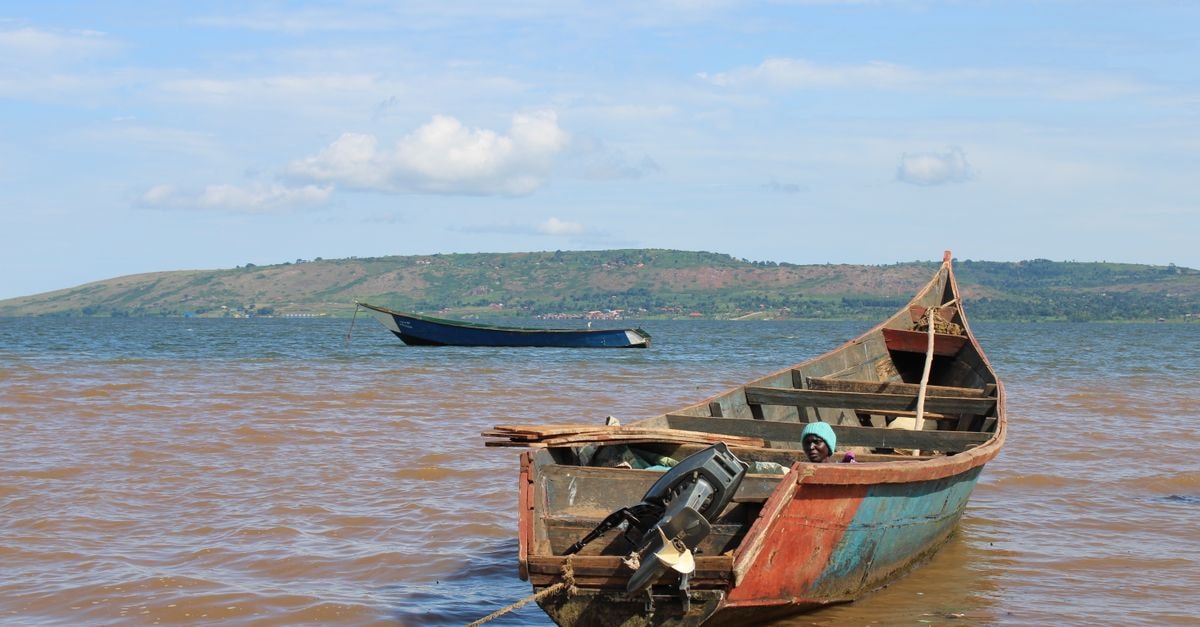
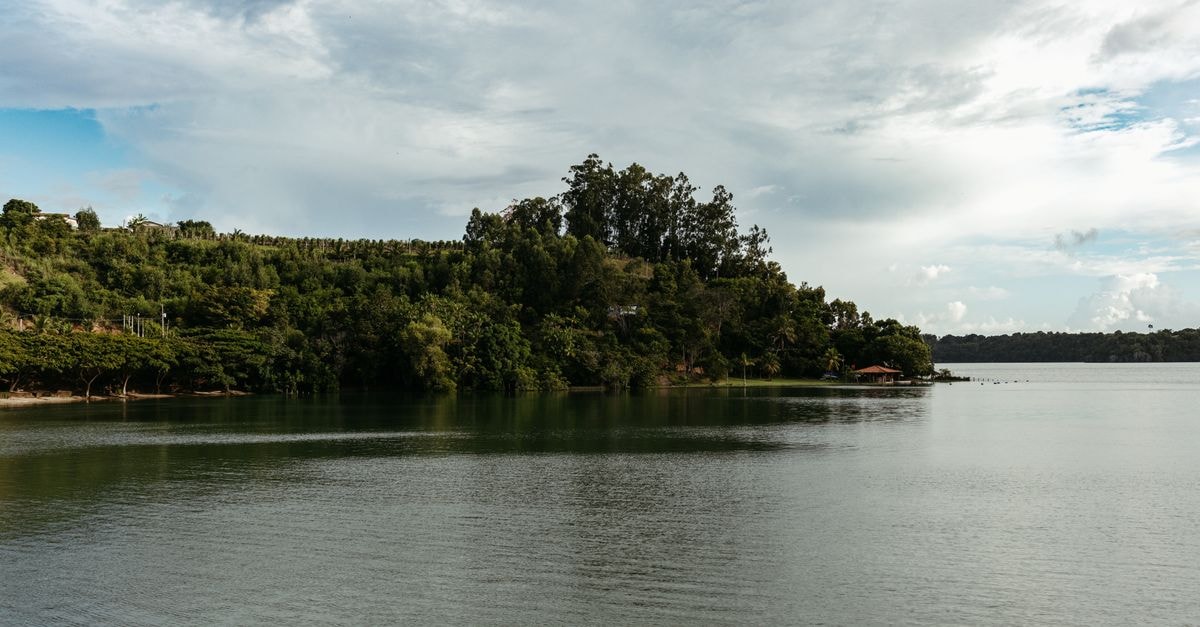
Ruma National Park is described as a hidden gem offering a unique experience for wildlife enthusiasts and nature lovers, set within Migori County. Nyatike Beach is similarly described as a hidden gem along the shores of Lake Victoria, also within the county. Together, these two stops sketch out a balanced day: morning wildlife in the park, a slower afternoon by the lake. That is one possible shape for a visit, not a fixed itinerary, and the order can easily be reversed depending on light, weather, and how you feel on the day.
Food and local context
Migori's food scene reflects the wider Kenyan table rather than a tightly defined local cuisine. Visitors will encounter familiar staples across the region, and these are the dishes that tend to appear most reliably when you sit down at a local eatery or stop by a roadside kitchen.
Ugali, a stiff maize meal that anchors many meals across Kenya, is one of the most common plates you will find. Sukuma wiki, a leafy green usually prepared with onions and a bit of oil, often accompanies it. Tilapia from Lake Victoria is another staple that shows up frequently, whether grilled, fried, or stewed. These are not Migori-specific inventions so much as everyday Kenyan dishes that travelers can expect to encounter while in the area. If you prefer trying a country's everyday staples over hunting for restaurant specialties, this style of eating will feel comfortable and grounding.
Choosing what fits the trip
A few small tradeoffs can help shape how Migori feels once you arrive. Travelers who enjoy wildlife but prefer a quieter, less commercialized reserve may find Ruma National Park a better fit than larger, more heavily visited parks further afield. Those drawn to water and slow afternoons rather than active game drives may get more out of time at Nyatike Beach and the surrounding lakeside communities.
Food in Migori is simple, hearty, and rooted in the wider Kenyan kitchen, so visitors who appreciate familiar staples rather than ambitious restaurant culture will feel at home. Those expecting a polished dining scene may want to adjust expectations and lean into the local character instead. And because intercity buses are the main public transport link, travelers who enjoy overland journeys and connecting town to town will find Migori fits neatly into a wider Kenyan route, while those planning a more resort-style stay may want to think carefully about the kind of base they choose.
A note before you go
Conditions in and around Migori, from park access to transport schedules, can shift over time. Treat this guide as a starting point rather than a final word, and check current details with your accommodation, local contacts, or official channels before setting out. A short message to your guesthouse the day before a planned excursion is often the easiest way to confirm timings and access.
Travel conditions, prices, and opening arrangements may change without notice. Always verify the latest information through official or local sources before departure.
Share this article
TOOLS FOR THIS PLAN
Make the Migori plan measurable
Choose a tool only when it answers the next question in your trip. Your values stay in the browser, and each tool offers a route back to this planning context.