A small harbor town with a working rhythm

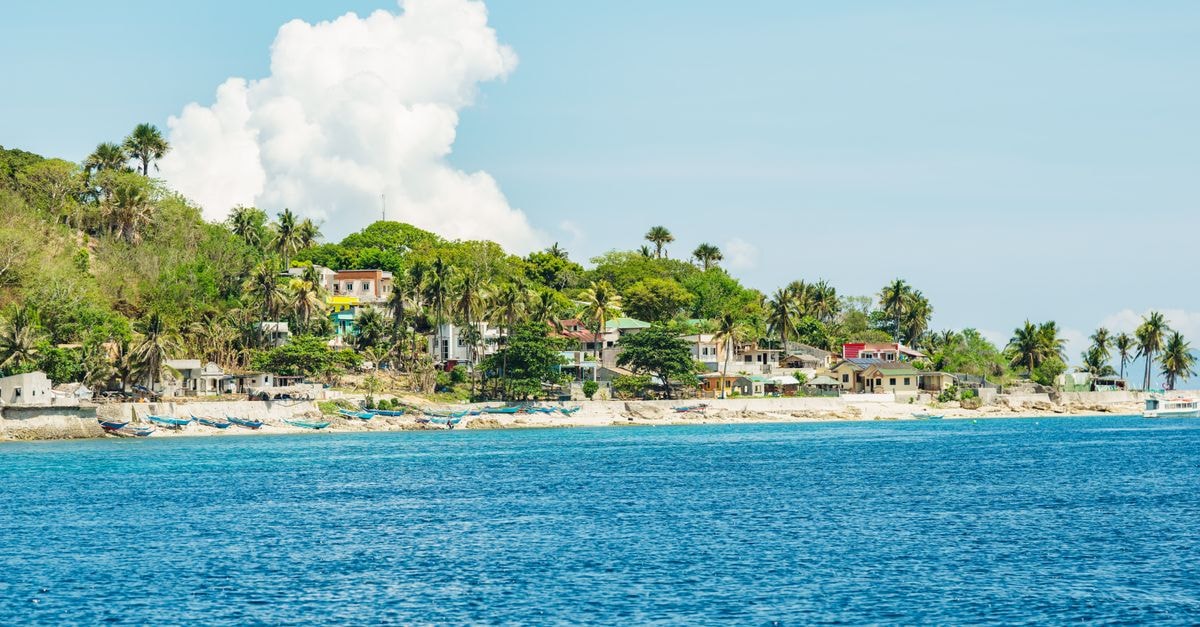
Miragoâne is the headquarters of the Miragoâne Arrondissement, sitting quietly along the Tiburon Peninsula where fishing boats and the banana trade still set a coastal pace. The town draws visitors interested in a less polished side of Haiti, where the harbor, the docks, and the surrounding hills feel close to everyday life rather than curated for postcards. Travelers who appreciate coastal seafood culture often find that the area's fishing-boat heritage shapes what shows up in the kitchen, with catches moving quickly from small boats to local meals. Those who like a quieter base for exploring the Nippes department may appreciate that Miragoâne functions more as an administrative and coastal hub than a tour-bus destination, giving it a calmer, lived-in feel compared to larger Haitian cities.
Coastal setting and the wider peninsula
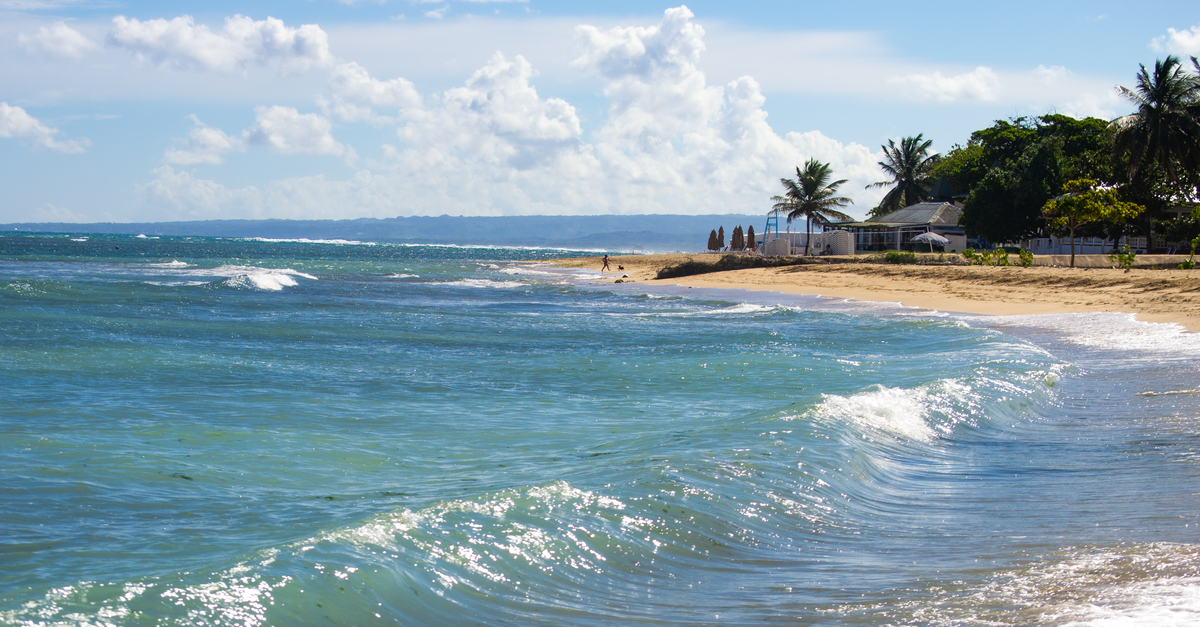
The Tiburon Peninsula frames Miragoâne's coastal character. Fishing boats still move between the harbor and the open water, and the banana trade threads through the local economy alongside small-scale agriculture. Beyond the working waterfront, low-key beaches line stretches of the coast, giving the area a relaxed shoreline atmosphere rather than a resort feel. From town, the surrounding terrain gradually rises, and travelers with an eye toward hiking may appreciate the relatively easy access to nearby mountain trails that begin close to the coast. The combination of a working harbor, a slow shoreline, and quick access to greener hills is what most shapes a first impression of the place.
Getting around and administrative role
Because Miragoâne is the headquarters of the Miragoâne Arrondissement, the town functions as a regional center for Nippes. Roads connect it to other communities in the department, and the harbor continues to handle boats and trade. Local movement tends to be informal, with taxis, motorcycles, and foot traffic forming the everyday rhythm. Visitors planning to base themselves in Miragoâne for day-to-day trips around Nippes should expect to arrange transport locally rather than rely on a fixed tourist network. Having the town as an administrative anchor can be useful for travelers who need regional services or who want to connect with other parts of the department.
Lodging options in town
A range of places to stay cluster in and around Miragoâne, mostly small hotels and guesthouses rather than large international chains. Properties listed in the area include Fort Royal Hotel, Coby Beach Resort (from $100 per night), Hotel Villa Ban-Yen, Le Village Taino, Hotel Taina (from $90 per night), Arawak Hotel (from $75 per night), Kiskeya Guest House (from $80 per night), Habitat by the Sea, Lakay Didi Resto-Guesthouse, and Hotel Florita (from $53 per night). These prices reflect the listed starting rates rather than a full nightly average, and travelers should confirm current availability, included services, and payment methods directly with each property before booking. The mix leans toward modest, locally run stays, which can suit visitors who want a more resident-style base near the coast rather than a polished resort environment.
Etang de Miragoâne and conservation context
Just outside town lies Etang de Miragoâne, an internationally recognized wetland area that has drawn attention from conservation groups. International organizations, including the United Nations Environment Programme along with various NGOs, have carried out assessments and small-scale interventions here, though management capacity has been severely constrained by Haiti's ongoing political and economic crises. For travelers interested in nature and wetlands, this means the lagoon carries real ecological value but a fragile management situation. Visitors curious about the site should treat it with care and approach any visit with realistic expectations, since on-the-ground conditions can shift quickly with the country's wider situation. Anyone planning a visit may want to check in advance with local contacts or conservation partners to confirm the practical access for travelers.
Practical notes for planning
Travel conditions, opening hours, prices, and access can change, so checking official and local sources before departure is always a good idea.
Prices, opening hours, schedules, reservation rules, and local conditions can change; verify them through official channels before departure.
Share this article
TOOLS FOR THIS PLAN
Make the Miragoane plan measurable
Choose a tool only when it answers the next question in your trip. Your values stay in the browser, and each tool offers a route back to this planning context.