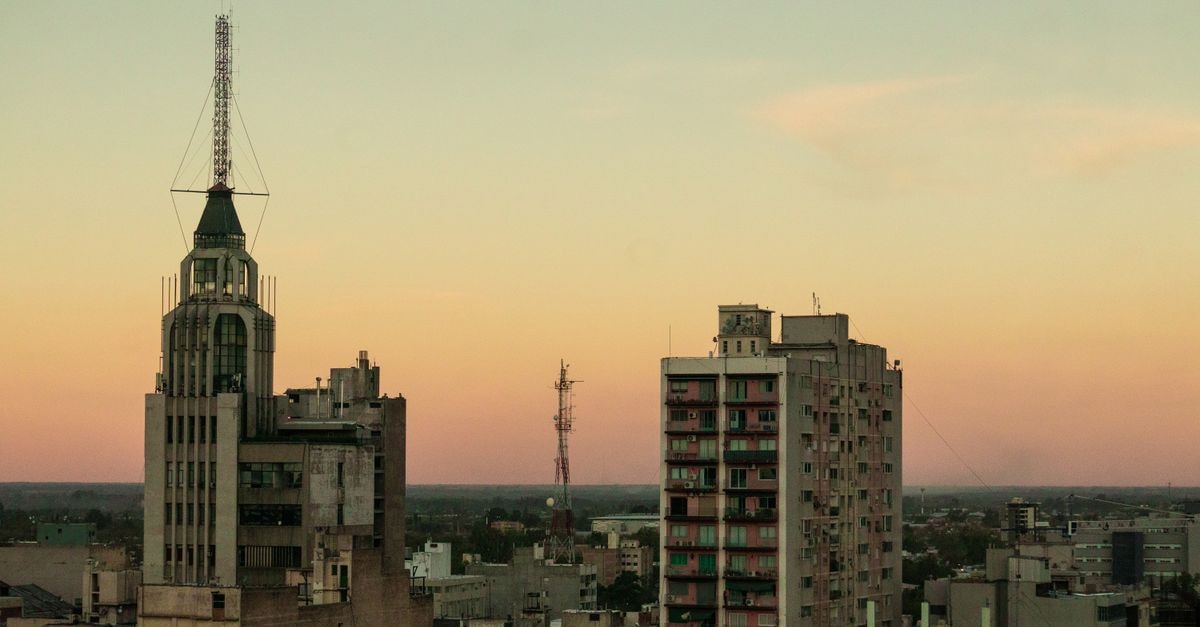
A first look at Mitú

The draw is the setting. Mitú is a small capital surrounded by the Vaupés river basin, with the jungle pressing close on every side. Travelers who come here tend to be the kind who like a slower pace, a strong sense of place, and the feeling of arriving somewhere that hasn't been smoothed out for tourism yet.
Weather and seasonal context
The climate in Mitú reads as classic lowland Amazon. Daytime maximums around 30°C (86°F) and nighttime minimums around 22°C (72°F) are typical for the city, according to the Vaupés Department weather record. The wider climate summary for the area lists an annual average around 25°C (76°F), with humidity often reported near 98% and light average winds around 8 km/h.
What that translates to in practice is warmth all year, high humidity, and a soft, heavy air that settles in by midday. Evenings do not bring real relief from the heat, but they do bring a chorus of insects and frogs that reminds you how far into the rainforest you actually are. Lightweight, quick-drying layers work better than heavy cottons, and most visitors find themselves planning the more active parts of the day for the morning, then leaning into slower, shaded, or river-based activities once the heat builds.
Rain is part of life here rather than a disruption to it. Showers can arrive quickly and pass just as quickly, so a light rain jacket or a small umbrella in your day bag tends to be more useful than a heavy waterproof. Travelers who like to keep flexible plans tend to enjoy this rhythm the most.
Attractions and planning
Mitú's attractions are shaped by water, rainforest, and indigenous culture, and they tend to unfold slowly rather than on a checklist. The official Visit Colombia page for the city exists primarily to help visitors find guided experiences and day trips around Mitú and Vaupés, which is a useful clue: this is a destination where local guides and operators do most of the heavy lifting, rather than a city you simply walk through on your own.
The single most celebrated natural feature close to the city is the Vaupés River and its rapids. Tourism literature describes the Vaupés River as forming spectacular rapids over quartzite rock near Mitú and continuing along its course toward Brazil. That description does the work of an entire itinerary paragraph: the river is the reason many travelers come, and the rapids are the visual signature of the area.
Because Mitú is reachable only by air or by river, planning a visit is mostly about giving yourself enough time once you arrive. Flights can be affected by weather, and river transport depends on water levels, so a flexible mindset and a day or two of slack in the schedule tend to make the trip feel calmer. The same Visit Colombia guidance that frames the city as the country's most remote capital also implicitly frames the experience: expect fewer polished attractions and more raw landscape, more local guides, and more days spent listening to the river rather than ticking off a list.
Getting the rhythm right
A few practical notes help Mitú feel less intimidating and more like the kind of place you settle into. Because access is by plane or river, the city itself is compact and walkable, and most of what you need for a stay is close at hand. The Vaupés River is both the view and the transport artery, so even visitors who arrive by plane usually end up spending at least part of their time on or beside the water.
The visitor pattern that tends to work best is unhurried: arrive, rest, take a guided morning on the river, and save any longer excursions for days when energy and weather align. Travelers used to dense urban itineraries sometimes find this pace surprising at first, then quickly grow to prefer it.
A note on culture and context
Mitú is the capital of Vaupés, a department known across Colombia for its strong indigenous presence and its ties to the surrounding rainforest. The culture you encounter here is part of why the city feels distinct from other Colombian destinations. Out of respect for the communities who live here, most travelers experience the cultural side through local guides, community-led visits, and river-based excursions rather than through self-directed exploration. Choosing operators who work with local communities is both the most rewarding and the most responsible way to engage with what makes Vaupés different.
Practical takeaways
- Treat Mitú as a small, walkable capital built around the river, not as a city of monuments. - Plan for warm, humid conditions year-round and pack for rain as well as sun. - Book guided experiences through the channels highlighted on the official Visit Colombia page for Mitú, since local guides are central to how the destination works. - Build slack into your schedule; both flights and river travel depend on conditions that can shift. - Center the Vaupés River and its rapids in your plans, as they are the headline natural attraction near the city.
Verification note
Travel conditions in remote destinations like Mitú can change quickly: flight schedules, river water levels, and operator availability all shift with weather and season. Before departure, check current flight options into Mitú, confirm any guided excursions with local operators, and review guidance from official Colombian tourism sources. The facts in this guide reflect the approved sources at the time of writing and are intended as a starting point for your own planning, not a substitute for up-to-date information on the ground.
Prices, opening hours, schedules, reservation rules, and local conditions can change; verify them through official channels before departure.
Share this article
TOOLS FOR THIS PLAN
Make the Mitú plan measurable
Choose a tool only when it answers the next question in your trip. Your values stay in the browser, and each tool offers a route back to this planning context.