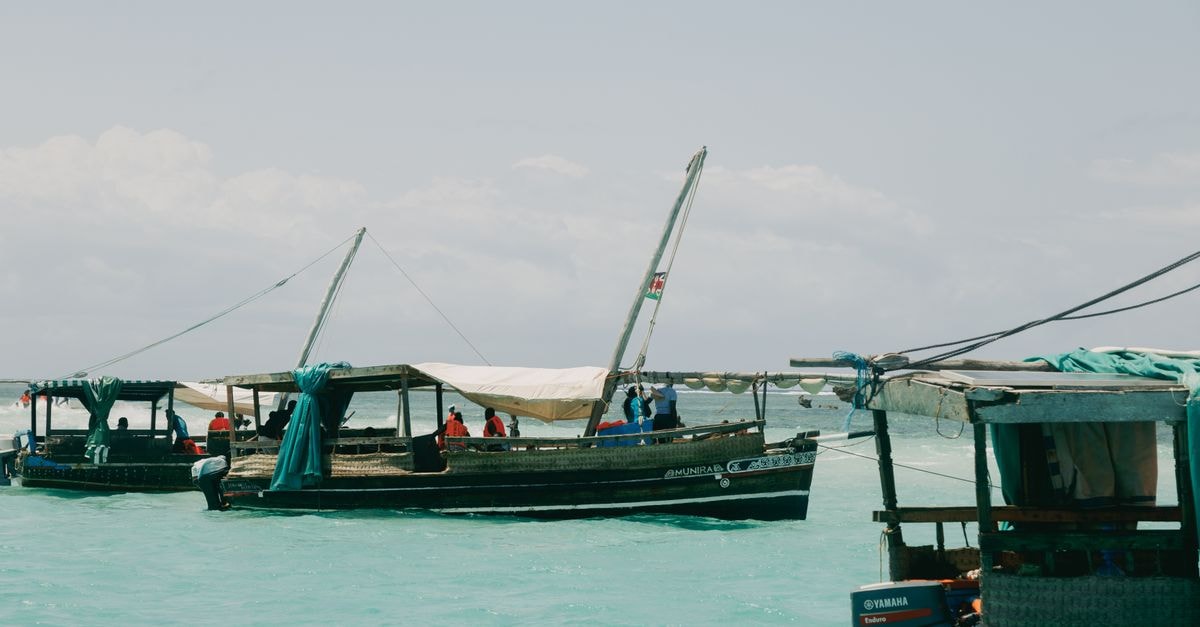
A coastal rhythm that invites you to slow down

Mombasa is the sort of city you taste and walk as much as you see. There are grilled street food stalls along the lanes, carved doors that hint at old Swahili craft, dhows sketched against the water, and tide-washed sand that resets the clock with every wave. The point of arriving here is not to rush a checklist, but to let the rhythm of the coast pull you into its pace, finding a bench near the harbor, a stretch of sand you keep returning to, and an unhurried meal as the light softens.
For travelers who love coastal cities defined by water, woodsmoke, and a long evening glow rather than by a dense museum circuit, Mombasa holds its own particular pull. The reward is a city that feels lived-in, where the everyday scenes — small boats returning, charcoal grills being lit, a breeze off the Indian Ocean — become the main attraction.
Weather and seasonal context
Mombasa sits on Kenya's coast, so the climate carries a humid, equatorial softness that rewards a slower schedule more than a packed itinerary. Long, warm days are typical here, and the breeze from the ocean usually arrives as the afternoon stretches into evening, which is when a walk along the sand or a stop near the dhow harbor feels especially forgiving. Travelers who dislike rushing through steamier hours may want to pace the day differently: ease into the morning, take a shaded pause in the early afternoon, and save waterfront wandering for the cooler late-afternoon window when the light begins to change.
Popular areas to stay in Mombasa include Nyali, Bamburi, and Mombasa Island, and each offers a slightly different relationship to the climate. Nyali and Bamburi sit closer to the open beach, where a steady sea breeze is part of the daily rhythm. Mombasa Island, by contrast, is denser and more sheltered, where the harbor air tends to feel stiller and the heat settles more slowly into the lanes. Choosing between them is partly a question of how much you want the ocean breeze to set your tempo versus how much you prefer a compact old-town feel.
Packing, accordingly, can lean on light, breathable layers, a hat for the brightest hours, and the willingness to plan around the warmest part of the day. The coast is not a place where a tight schedule rewards you; it rewards a softer frame.
Getting around: choosing a base that matches your pace
Because Mombasa spreads along the coast and across an island linked by bridges, where you stay quietly shapes how the trip feels. Travelers who want a steadier, quieter pace tend to look toward Bamburi, where the popular Pirates Beach draws travelers looking for beach life and a relaxed shoreline. The stretch between hotel and sand is short, so a slow morning swim and a long, book-in-hand afternoon are easy to build without relying on transport. If you prefer a base that feels more centered around the city itself, Mombasa Island keeps you closer to the carved-door lanes and the working harbor, with the breeze off the water threading through the streets at the change of day.
If your idea of an evening leans toward music, lights, and a 24-hour atmosphere, Mtwapa is often mentioned for its nightlife and energy. That kind of late-night tempo pairs well with a flexible schedule and a willingness to sleep in the next morning, since the morning hours after a long night out can feel slow on the coast under the brightest sun. Travelers who want quieter evenings might consider whether a base in Bamburi or Nyali suits them better, where the pace at night tends to soften back toward the sea.
In practical terms, the city's spread means that choosing one anchor neighborhood and letting it breathe — rather than trying to crisscross the coast several times a day — keeps the trip feeling unhurried. Rides between Bamburi, Nyali, and Mombasa Island are manageable but eat into the calm of a day if scheduled too tightly.
Food and local context
The food scene in Mombasa sits inside a wider Kenyan culinary character that swings sharply by region, and the coast is where ocean and woodsmoke meet on a single plate. Across Kenya, the scent of woodsmoke and, in coastal areas, ocean salt drift together through the cooking, and that combination is the backdrop travelers will notice in Mombasa. Meals here tend to be unhurried, built around grilled fish, rice-based staples, and the kind of slow-cooked flavors that pair with a long conversation rather than a fast lunch.
This is also a place where street-side grilling is part of the everyday scene. The rhythm of a Mombasa evening often involves walking past stalls where skewers are laid over charcoal, the smoke drifting into lanes near the harbor. Travelers who enjoy engaging with food as a sensory experience — the hiss of a grill, the smell of spiced meat, the sight of fishermen bringing in the morning's catch — will find that the city's food culture rewards curiosity more than planning.
Kenyan dining customs broadly tend to favor shared plates and a relaxed, communal pace at the table, and that generosity tends to surface on the coast as well, where meals stretch easily into the early evening. The simplest way to settle into Mombasa's food rhythm is to keep meals flexible: a grilled lunch near the harbor, an afternoon pause for tea or fresh juice, and a longer dinner once the heat has lifted.
Finding what fits your kind of trip
If you imagine Mombasa as a slow, water-led city rather than a dense sightseeing list, a few gentle tradeoffs can help shape the trip. Travelers who crave steady ocean breezes and beach-first mornings may prefer Bamburi or Nyali, where the day opens onto sand and the schedule can stay loose. Travelers drawn to carved doors, harbor views, and a more historic lane feel may find Mombasa Island a better anchor, with the understanding that midday heat there lingers a little longer and the pace asks for shaded pauses. Travelers who want a livelier late-night tempo should consider Mtwapa, knowing that the surrounding evenings ask for a more flexible morning.
Across all of these, the throughline is similar: let the coast set the tempo. The shorter the distance between your bed, the water, and a grilled meal, the more Mombasa tends to feel like itself.
A note before you go
Coastal conditions, neighborhood character, and food availability can shift over time. Check official travel channels and current local guidance before departure, and confirm any specific beach, harbor, or neighborhood detail that will shape your day. Rates for any purchases on the ground should be treated as a reference only; live exchange rates can differ from the figure you read at home.
Prices, opening hours, schedules, reservation rules, and local conditions can change; verify them through official channels before departure.
Share this article
TOOLS FOR THIS PLAN
Make the Mombasa plan measurable
Choose a tool only when it answers the next question in your trip. Your values stay in the browser, and each tool offers a route back to this planning context.