A slow welcome to Mongo

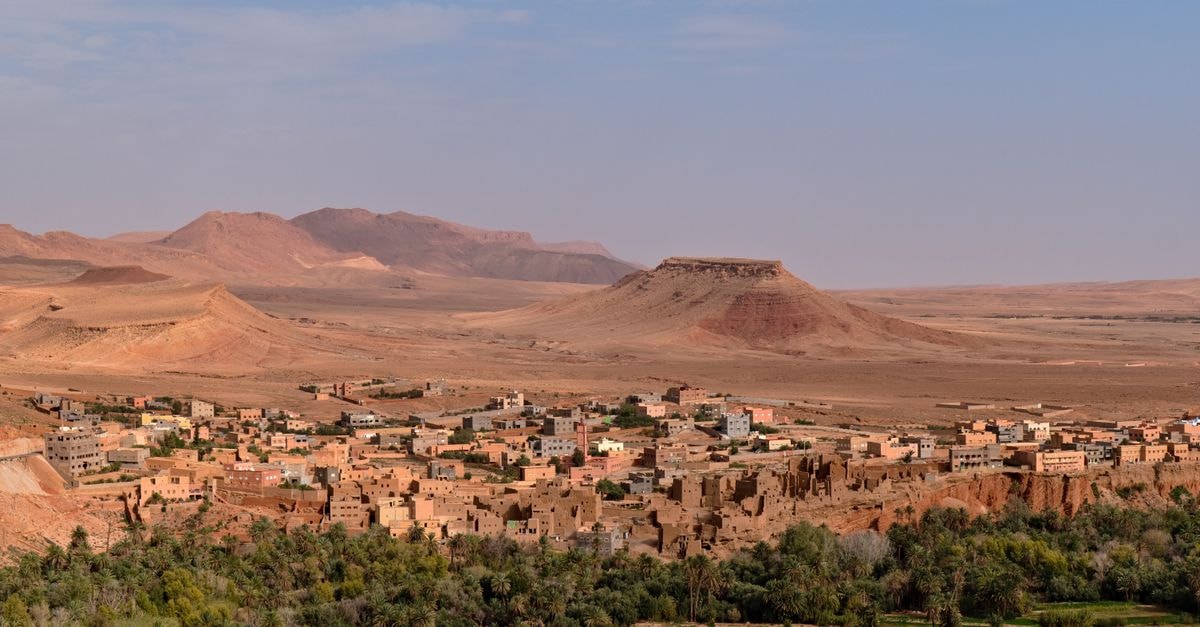
Mongo sits as the capital of Chad's Guéra Region, a place where the landscape shifts between Saharan and Sahelian character (F3-1). The geography alone hints at what kind of visitor experience to expect: open, sun-hungry terrain rather than a dense urban grid. Travelers who arrive here tend to be the type who enjoy stepping into places that still feel shaped by their surroundings rather than by tourism infrastructure.
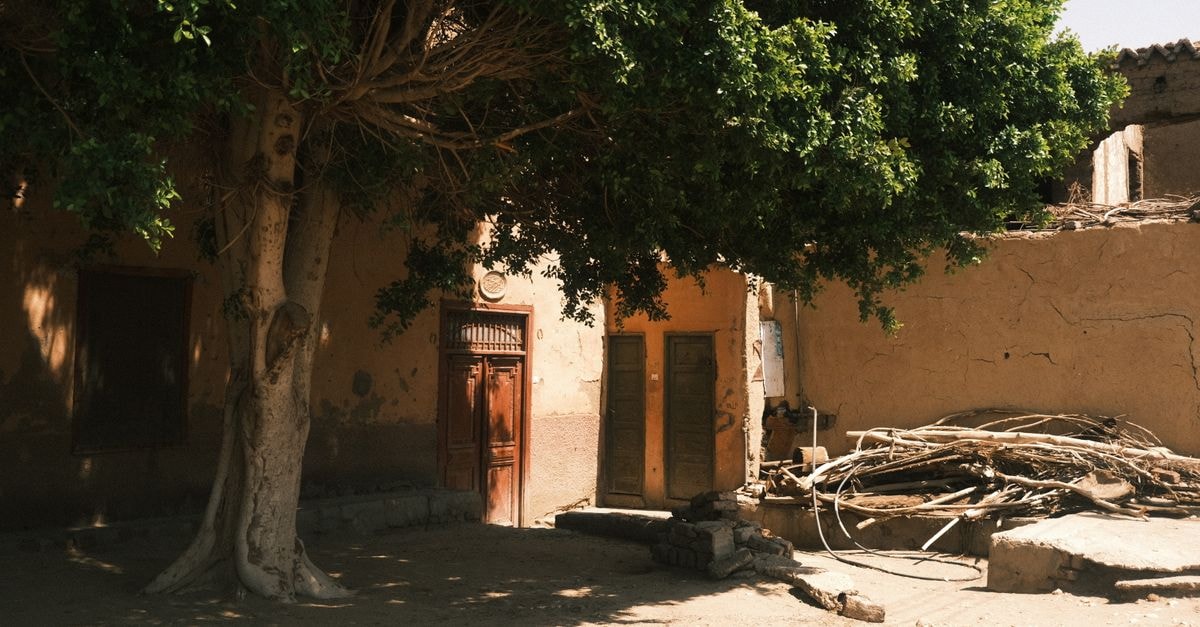
In the broader area, clay-built houses and Orthodox and Muslim shrines mark nearby villages (F1-2). That detail quietly frames Mongo's setting — a regional capital surrounded by settlements with deep craft and faith traditions — without promising any specific shrine visit or village stop. Consider this context if your interest leans toward places where architecture and daily ritual feel inseparable from the land.
Weather and seasonal context
Mongo's landscape blends Saharan and Sahelian character (F3-1), which colors how the sky, the light, and the dust tend to feel throughout the year. Travelers used to lusher settings may want to pace their days differently here, building in rest during the brightest hours and saving walks for the softer edges of the morning and late afternoon. The general surroundings — clay-built houses in nearby villages and the rough transport routes that connect them (F1-2) — also suggest a place where the climate shapes how people move between settlements.
Because the weather in the Guéra Region tends toward heat and dryness, lightweight clothing, sun cover, and steady hydration are the kind of practical choices that suit almost any visit. If you prefer gentler conditions for long periods outside, consider scheduling the most ambitious outdoor time for the cooler stretches of the day rather than the middle hours.
Getting around
Moving around Mongo is described as charming but also rough in practical terms (F2-2). That single word — rough — is doing a lot of work, and it is worth taking seriously before arrival. Journeys in and around the city tend to feel consequential rather than casual, and travelers should plan for travel days that may stretch longer than expected (F1-2).
If your travel style leans toward well-paved, fast, or highly scheduled transport, Mongo may invite you to reconsider certain expectations. A more relaxed approach — fewer ambitious targets per day, generous buffers between commitments, and an openness to slower movement — tends to suit this kind of terrain. Because the local transport picture is described in broad strokes only, consider confirming current road and vehicle options through official channels before setting out.
Food and local context
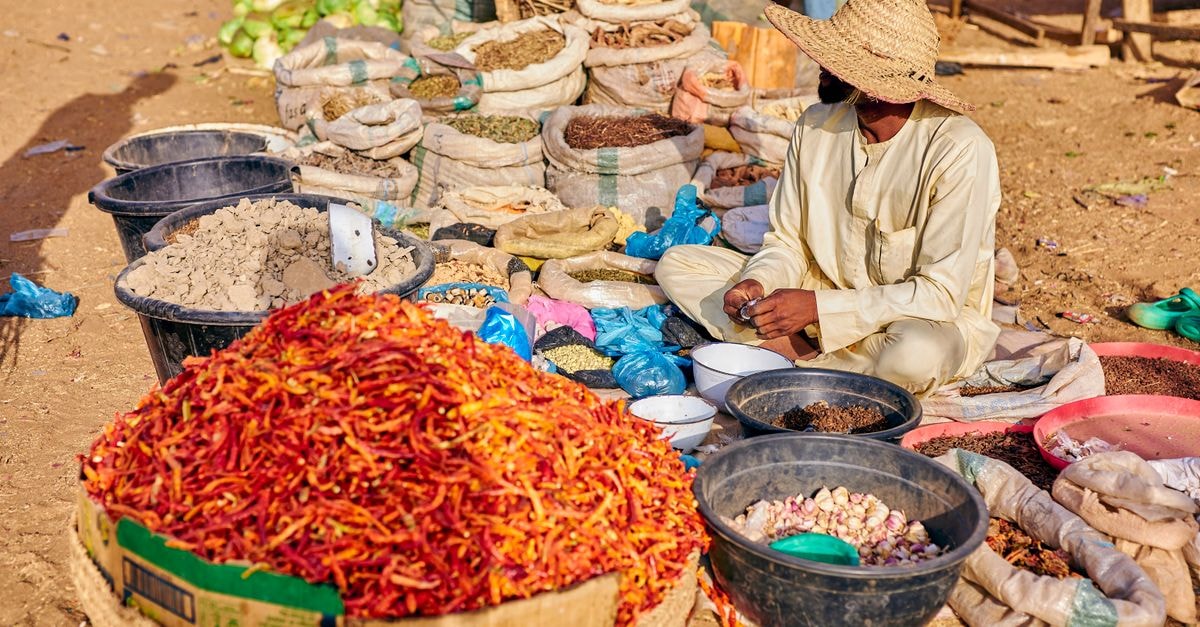
Among the broader Chad traditions worth knowing about is boule, a thick sorghum porridge that arrives as a dense, dough-like sphere, steaming in its own moisture when tipped onto enamel plates (F7-2). It is described as a main staple in the country's culinary heritage (F7-2), and travelers with an interest in grain-based, hearty staples may find it a useful reference point — though specific Mongo restaurants or markets serving it are not detailed in the available evidence, so asking locally about where boule is prepared fresh that day is a natural next step.
The wider Chad food culture also places value on dining customs and culinary experiences that are part of how hospitality works in the country (F7-1). Because details specific to a Mongo market, menu, or restaurant are not part of the available evidence, it is better to treat the country-level notes as background flavor rather than a checklist of places to eat. Asking a local host, guide, or guesthouse about what is being cooked that day can be a natural way to encounter these traditions without overreaching.
Choosing what fits your trip
A few practical tradeoffs are worth weighing before committing to Mongo. The terrain and transport are described as rough (F2-2), which favors travelers who are comfortable with slower, less predictable movement and who would rather have fewer commitments per day than a packed schedule. The Saharan-Sahelian landscape (F3-1) suits visitors who enjoy open, sun-driven scenery and are prepared for heat, while travelers who strongly prefer milder climates may want to reconsider how they pace their time outdoors.
If your interest runs toward clay architecture, village shrines, and the Orthodox and Muslim religious life suggested by nearby villages (F1-2), Mongo's regional position may reward that curiosity. Travelers who need highly scheduled transport, fixed meal reservations, or a dense attractions list may find that Mongo asks for a different rhythm than usual.
Before you go
Conditions on the ground — including transport reliability, road access, and local services — can change, and the broad characterizations in this guide do not replace current information. Travelers should verify routes, transport options, and any venue-specific details through official Chadian channels before departure. Where this guide has kept its scope to the regional and country level, that is by design rather than an oversight.
A natural next step is to confirm the current state of overland routes into Mongo, the availability of vehicles and drivers, and which local contacts or accommodation options can help orient you on arrival. With those basics in place, Mongo tends to reward travelers who arrive ready for a slower, more attentive visit rather than a checklist-driven one.
Share this article
TOOLS FOR THIS PLAN
Make the Mongo plan measurable
Choose a tool only when it answers the next question in your trip. Your values stay in the browser, and each tool offers a route back to this planning context.