A first look at Mongu

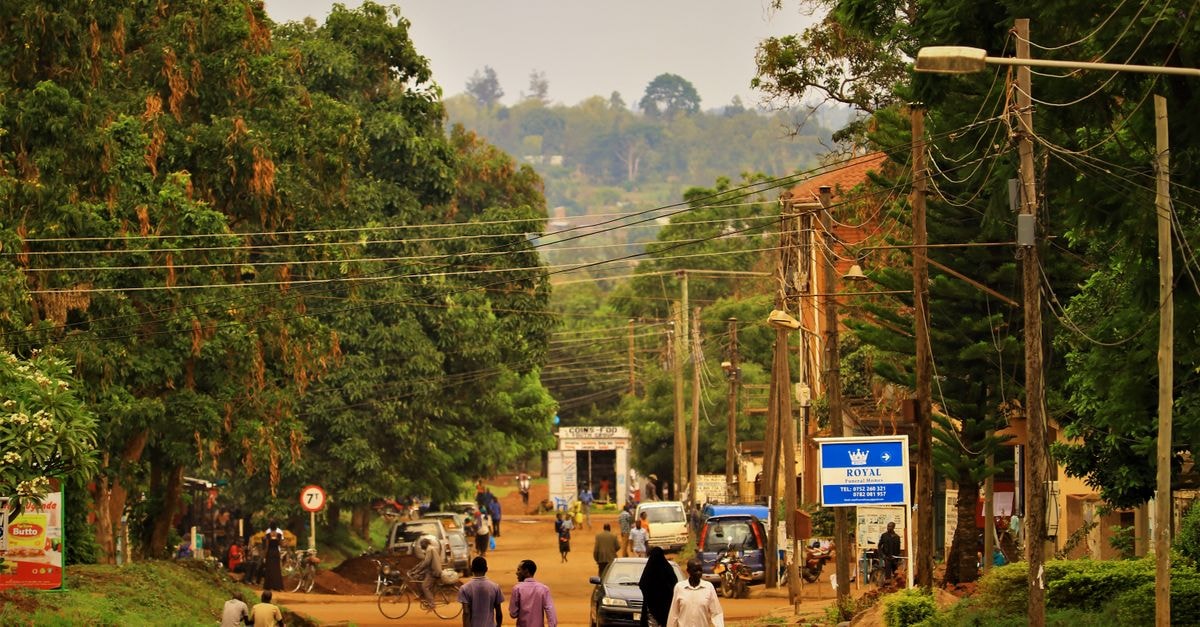
Set on the edge of the Zambezi floodplain, Mongu is the gateway to one of Zambia's most quietly evocative regions. Travelers arrive here drawn by a particular promise: a chance to encounter Lozi traditions that remain woven into daily life, from the rhythm of royal ceremonies to the slow sway of papyrus canoes on the floodwaters. The town itself moves at a gentle pace, and the surrounding province feels vast, flat, and lightly inhabited, qualities that tend to appeal most to travelers who want space, sky, and a sense of stepping outside the usual tourist trail.
If you are the kind of visitor who values cultural depth and natural quiet over a packed sightseeing list, Mongu rewards a slower approach. The city offers fewer polished attractions than Zambia's bigger hubs, but what it offers is distinctive: a working provincial capital where royal heritage, river ecology, and rural foodways are part of the everyday backdrop.
Weather and seasonal context
Mongu's climate is shaped by the Zambezi floodplain, and the air often carries that warm, slightly humid quality typical of western Zambia. A recent hourly forecast snapshot for Mongu shows daytime highs around 33–34 °C in late morning and early afternoon, with overnight lows near 20–23 °C. The same snapshot records a clear sky reading and an ENE wind of 9 kt described as a gentle breeze.
Because temperatures can feel quite warm through the middle of the day, consider pacing outdoor sightseeing for the cooler morning hours and saving relaxed indoor or shaded moments for the afternoon. Travelers who prefer cooler conditions may find the early morning especially pleasant for walking and market visits. There is little seasonal specificity to anchor a precise travel window in this guide, so the smart move is to plan around comfort: light clothing, water, and a flexible daily rhythm work well here in any month. If you want to check the latest conditions before you go, a current Mongu forecast page is a useful first stop.
Attractions and planning
Mongu sits at the threshold of one of Zambia's most extraordinary protected landscapes. Liuwa Plain National Park lies nearby in the Western Province, a vast, floodplain-fed wilderness often described as a hidden gem for travelers seeking an off-the-beaten-path safari. The park is most often associated with its wildlife story and its deep historical significance as a royal and ecological landscape.
For travelers who prefer nature and wildlife over built-up sightseeing, Liuwa Plain National Park may suit a longer stay in the area, while those drawn to cultural encounters and small-town atmosphere may find plenty to enjoy within Mongu itself. A practical first step is to identify which balance of urban and wilderness time matches your travel style before committing to transport and lodging arrangements.
Food and local context
Food in Mongu is one of the most rewarding ways to connect with the area. Lozi cuisine has its own character, and travelers who come during cultural moments such as Kuomboka often have especially good access to traditional dishes. The food culture here is grounded in the river and the maize harvest, with recipes passed down through generations.
A few traditional flavors tend to define the table. Ilya, a thick royal maize porridge, sits at the heart of many meals and is closely tied to Lozi heritage. Fresh fish from the Zambezi also features prominently, prepared in ways that reflect local kitchens and seasonal rhythms. Traditional fermented drinks round out the picture, offering a taste of beverages that have been part of the region's hospitality for centuries.
Across wider Zambia, nshima, the stiff maize-meal porridge, is a staple often served with sides like dried fish, and visitors traveling in Mongu may encounter these familiar dishes prepared in local styles. Trying regional versions of nshima alongside Lozi-specific fare can turn a simple meal into a small cultural lesson. Travelers who enjoy exploring through food, and who appreciate dishes rooted in place rather than international menus, may find Mongu's eating culture especially memorable. A useful approach is to ask about locally prepared specialties wherever you eat, since seasonal availability and household recipes can shape what is on offer.
Choosing what fits your trip
Mongu rewards travelers who arrive with a clear sense of what they want from the experience. If your priority is cultural depth, the Lozi food scene, royal heritage, and small-town atmosphere will likely anchor your visit, and a shorter stay of a few days may be enough to settle into the rhythm. If wilderness and wildlife are the draw, plan around Liuwa Plain National Park and allow extra time for travel into the park and time on the floodplain. If you prefer a balanced itinerary, consider spending part of your time in Mongu itself for culture and cuisine, then moving outward toward the national park for nature. Travelers who dislike long transfers or who want a more urban base may want to weigh whether a primarily Mongu-centered trip, without extensive park time, matches their expectations.
Before you go
A few practical questions are worth confirming before your trip, since information about regional transport, park access, and seasonal events can change. It is a good idea to check current conditions for Liuwa Plain National Park visits in advance, as flood cycles and access routes vary. Likewise, if your travel is connected to cultural events such as Kuomboka, verify dates and visitor arrangements closer to your trip. Factual travel conditions can change, and official channels should be checked before departure to confirm the latest practical details for Mongu and the surrounding Western Province.
Share this article
TOOLS FOR THIS PLAN
Make the Mongu plan measurable
Choose a tool only when it answers the next question in your trip. Your values stay in the browser, and each tool offers a route back to this planning context.