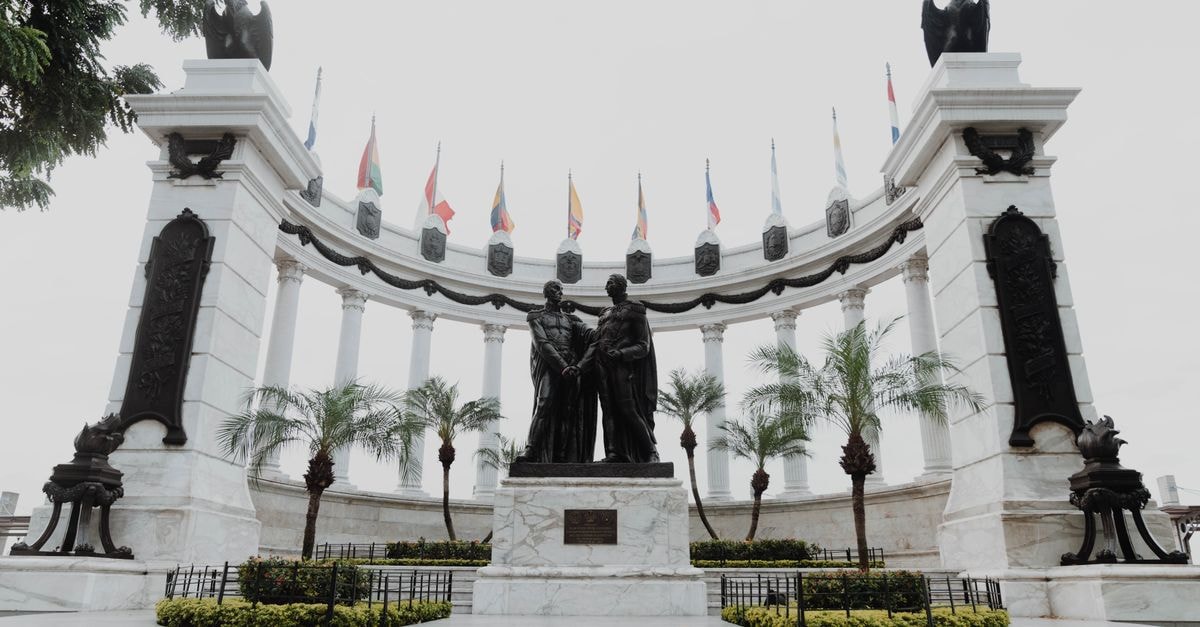
Setting the scene in MoBay

What makes Montego Bay feel different from a generic resort enclave is the contrast between the polished waterfront and the lived-in city behind it. You can move from a calm beach morning to a busier local district within a short drive, and the city's scale, often described as Jamaica's second-largest urban area, gives it just enough variety to reward a little exploration beyond the resort grounds.
Weather and seasonal context
Montego Bay's climate is one of those quiet luxuries that shapes a trip without dominating it. The city sits on a tropical coastline where warmth is essentially constant, and travellers tend to experience the heat as a steady companion rather than a surprise. This has a few practical consequences worth keeping in mind before you pack.
Lightweight fabrics, breathable layers, and reef-safe sunscreen are the kind of small choices that quietly improve a day here. Because the coastal air can feel humid, pacing yourself matters more than rushing between sights. Early mornings and the approach to sunset are often the most comfortable windows for longer walks along the seafront, while the middle of the day invites a slower lunch, a shaded café stop, or simply a return to your room to recharge.
Rain in Montego Bay typically arrives in short, intense bursts rather than long grey stretches, so a compact rain jacket or umbrella is a sensible addition to any bag even when skies look clear at dawn. The same warm temperatures that make the beach inviting also mean the sea is comfortable for swimming through much of the year, which is part of why the city has earned its reputation as a resort destination in the first place.
If you are someone who travels specifically for warm-water swims and a sun-on-skin feeling, Montego Bay delivers that consistently. If you prefer a slightly cooler window for more active sightseeing, build your longer walking plans around the early part of the day and save indoor or pool time for the afternoon heat.
Getting around
Montego Bay's transport story is one of layered options rather than a single obvious choice, and understanding that layering early tends to make the rest of the trip feel easier.
A major player on the ground is JUTA, Jamaica's established transport network that operates across the island, chiefly as a supplier of transportation at all hotels and ports of entry. Because JUTA is positioned at hotel lobbies and arrival points, it is often the first organised transport option a visitor encounters, and it is particularly useful when you want a known operator for an arrival transfer or a longer excursion without negotiating on the spot. For travellers who value predictability over spontaneity, booking through an established operator like JUTA at the start of a trip can set a calm tone.
For shorter movements within the city, taxis are widely available and form a familiar part of the MoBay rhythm. They are especially practical for evenings, when you want a direct ride back to your hotel rather than a multi-stop journey. As with any destination, agreeing on the fare before setting off is a small habit that removes friction.
Because Montego Bay is Jamaica's second-largest city and the country's tourism capital, it has enough scale that walking between distant points is rarely practical, but enough clustering around the waterfront and main hotel strips that you do not feel car-dependent for every meal. The cruise port area, the main hotel zones, and the well-known Hip Strip sit close enough together that short taxi rides replace long transfers.
A useful mental map is to think of your days in two modes: a wandering mode around the seafront and Hip Strip, where taxis are optional and the pace is gentle, and an exploring mode for anything further afield, where a pre-arranged ride or a booked tour vehicle is worth the peace of mind.
Beyond the beach: what defines a day
Montego Bay tends to be introduced through a very specific sensory palette: sand, sea, and the slow drift of a resort afternoon. That introduction is accurate, but it only captures part of the city's character. Travel writing about MoBay often highlights the contrast between resort calm and the broader Jamaican culture visitors can encounter, from the food culture that flavours the coastline to the everyday energy of the city's commercial streets.
Jamaica as a whole is known for a confident, expressive culinary culture built around jerk preparation, fresh seafood, and roadside grills, and visitors to Montego Bay will find those wider Jamaican flavours easily within the city. Think of this as nationwide context you may encounter while in MoBay rather than a single signature dish or a specific venue to chase. Sampling jerk from a local cookshop, trying fresh fish prepared simply, or sipping a cold drink while watching the sea can all become small anchors for a trip.
The coast itself, framed by the marine park near the Hip Strip, invites the kind of unhurried walking that turns a beach destination into a more textured one. A coastal walk at a calm hour, with the water on one side and the city's hum on the other, often captures the Montego Bay mood better than any checklist of sights.
Planning notes before you go
A few practical habits tend to serve visitors well here. Confirming your airport transfer in advance, whether through your hotel or a known operator like JUTA, removes the most stressful moment of arrival. Carrying small denominations for taxis and tips is helpful in a city where larger notes can be hard to break. Staying hydrated is less a tip and more a rhythm, given the consistent warmth.
If you are visiting during a particularly busy cruise-ship day, the waterfront areas near the port will feel livelier, and small local businesses benefit from the foot traffic. On quieter days, the same streets take on a more relaxed, almost residential feel, and you may find yourself sharing the seafront with regulars rather than visitors.
Above all, treat Montego Bay as a city with a strong resort layer rather than as a resort with a city attached. That framing changes how you move through it: you pause at a waterfront bench, you step into a local shop, you order something you cannot pronounce, and you let the warmth of the place set the pace.
A final verification note
Travel conditions in Montego Bay, from transport availability to local services and opening patterns, can shift over time. Climate descriptions here reflect the general feel of the city's coastal climate rather than any specific forecast, and the transport notes are based on the role JUTA and similar established operators play across Jamaica's tourism hubs. Before departure, checking official channels for any updates on local transport, weather advisories, and entry requirements will help ensure the practical details of your trip match the calm, welcoming tone this city is known for.
Share this article
TOOLS FOR THIS PLAN
Make the Montego Bay plan measurable
Choose a tool only when it answers the next question in your trip. Your values stay in the browser, and each tool offers a route back to this planning context.