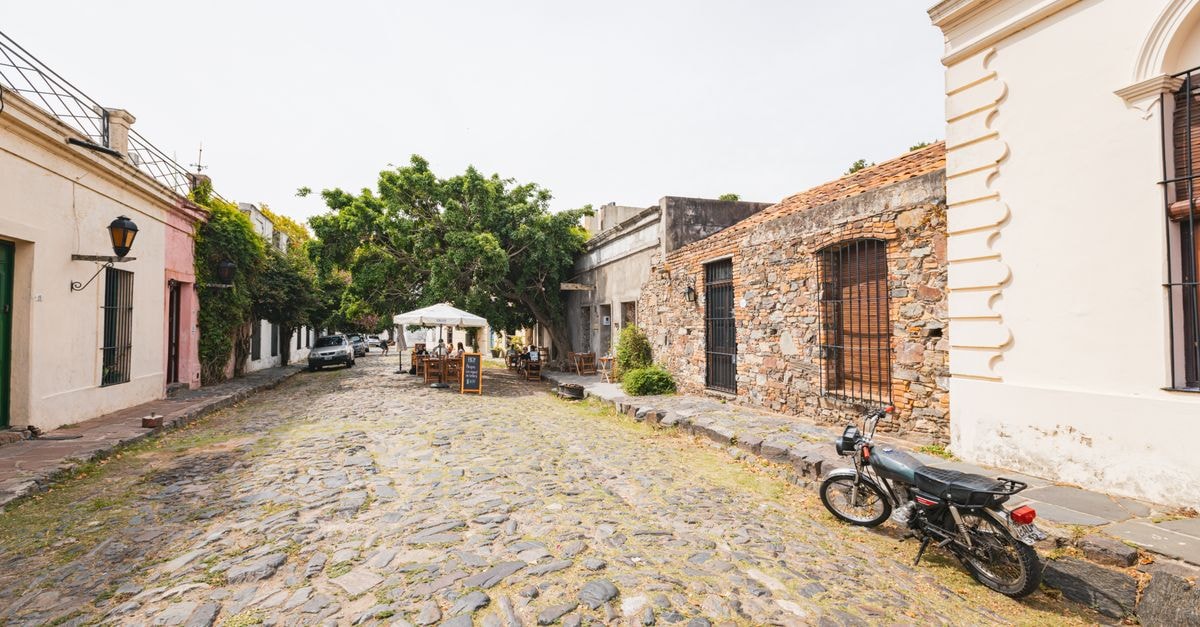
A capital that rewards a slower pace

There is a particular kind of city that doesn't rush you. You arrive expecting a checklist — headline sights, a famous view, a must-try dish — and instead find yourself drifting along a coastline, following the slow geometry of old apartment buildings and palm trees. Montevideo tends to do this to visitors, and it's one of the reasons the city lingers in memory long after the trip is over.
Uruguay's capital sits where the Río de la Plata meets the Atlantic, a fact you feel in the light, the breeze, and the long horizontal skyline. Beyond its waterfront posture, the city is known for a deep literary culture, a strong calendar of cultural activities, and a surprising number of parks and gardens woven into the urban fabric. Those three threads — reading, rhythm, and green space — tend to shape the most rewarding visits.
This guide is written for travelers who like to arrive with a sense of the city rather than a fully timed schedule. Think of it as a soft frame: a few honest notes on the kind of weather you might meet, how the city invites you to move through it, and where its cultural pulse tends to surface.
Weather and seasonal context
Montevideo's weather is one of those quiet variables that changes how a day in the city feels rather than what you can do in it. The sky has a softness to it that travelers often describe in painterly terms — old facades that look gently washed out, a coastal light that flatters everything from art deco corners to modern towers framed against palms.
On a grey day, the city takes on a contemplative mood. The buildings can look as if they have been left in the wash too long, and small human moments — a man at a kiosk drinking mate from a thermos with the focus of a surgeon — tend to stand out more clearly. These are the kind of days that reward slow walking, a notebook, a long café stop, and the patience to let a neighborhood reveal itself.
On clearer days, the same streets open up. The coastal cityscape catches the light, historic facades brighten against a clear sky, and the river's edge becomes a natural route for unhurried strolling. Either way, dressing in layers is the most useful habit: the breeze off the water can shift quickly, and the temperature tends to feel a touch cooler in the shade of tree-lined avenues than in open plazas.
Because the climate here is generally mild and humid, with a coastal character that softens extremes, visitors used to harsher weather can find Montevideo almost gentle. That gentleness is part of the appeal: the city rarely forces a particular pace on you, and most days can comfortably hold both indoor cultural stops and long outdoor wanders.
Getting around on foot and by intention
Montevideo is at its best when you walk it. Many of the most interesting areas unfold at a pedestrian's pace — the kind of strolling where you notice a corner bakery, a courtyard mural, or the rhythm of a residential street opening suddenly onto a wide avenue. The city is designed to be discovered this way, and the surprises tend to live between the main sights rather than on a strict route.
Green spaces, parks, and gardens thread through the urban plan, offering multiple outdoor options for breaking up a walking day. This is unusually generous for a capital of this size, and it means you rarely have to go far to find somewhere to sit, read, or simply watch the city move around you. A loose plan that pairs a neighborhood walk with a park stop, then a cultural visit, tends to feel more natural here than a tightly timed agenda.
Beyond the parks, the city maintains a wide range of cultural activities throughout the year. Theaters, bookshops, small galleries, and literary events all contribute to a feeling that Montevideo treats culture as a daily habit rather than a special occasion. Because the calendar is active, the most useful approach for visitors is to check a local listings source close to the trip and let one or two events shape an evening rather than booking weeks ahead.
For longer distances across the city, the same unhurried logic applies: choose the option that lets you see something along the way. Walking between nearby neighborhoods, taking a coastal route, or simply pausing at a viewpoint usually rewards the extra minutes more than the fastest route would. The city is compact enough that you rarely feel the need to rush, and that in itself shapes the travel experience.
A literary capital with room to read
Montevideo carries an unusual literary distinction, and the city's literary identity is woven into how it presents itself to visitors. There are routes and programs that invite travelers to explore the city through its writers, neighborhoods, and poems — a way of seeing the capital that connects street corners to verses and bookshops to the people who lived nearby.
For travelers who like their city breaks to feel a little more reflective, this literary framing is genuinely useful. Rather than racing between landmarks, the city invites you to slow down, look up at the names on plaques, and let a neighborhood's character speak before moving on. The connection between place and writing is treated as a living thread, not a museum piece, and it pairs naturally with the kind of slow walking Montevideo seems designed for.
The literary angle also fits well with the broader cultural calendar. Combined with the city's theaters, music venues, and small cultural spaces, it creates a layered cultural offering that rewards visitors who plan at least one indoor stop — a reading, a performance, a small exhibition — alongside outdoor wandering. The mix tends to feel more balanced than a sightseeing-only approach, and it leaves room for the kind of unhurried discovery the city is known for.
Practical rhythm for a thoughtful visit
Because Montevideo doesn't demand a strict itinerary, the most useful planning happens at the edges: choosing a base near a walkable neighborhood, building in time for a park or two, and leaving one evening open for whatever cultural listing catches your eye. The city is compact enough that you can revisit favorite corners, and varied enough that each walk tends to surface something new.
Dress for changeable coastal weather, keep a layer in your day bag, and treat the breeze as part of the experience rather than an obstacle. If the sky looks grey, lean into it — the city is beautiful in that softer light, and the slower pace it suggests often leads to the most memorable moments. If the sky clears, head toward the waterfront and let the river shape the afternoon.
Above all, plan less than you think you need to. Montevideo tends to reward travelers who arrive with a few intentions rather than a long list, and who give the city the kind of unhurried attention it tends to return in kind.
*A quick note: practical details such as opening hours, ticketing, and transit options can shift over time, so it's worth checking an official tourism channel or local listings source closer to your trip before you set out.*
Prices, opening hours, schedules, reservation rules, and local conditions can change; verify them through official channels before departure.
Share this article
TOOLS FOR THIS PLAN
Make the Montevideo plan measurable
Choose a tool only when it answers the next question in your trip. Your values stay in the browser, and each tool offers a route back to this planning context.