A gentle introduction to Moquegua

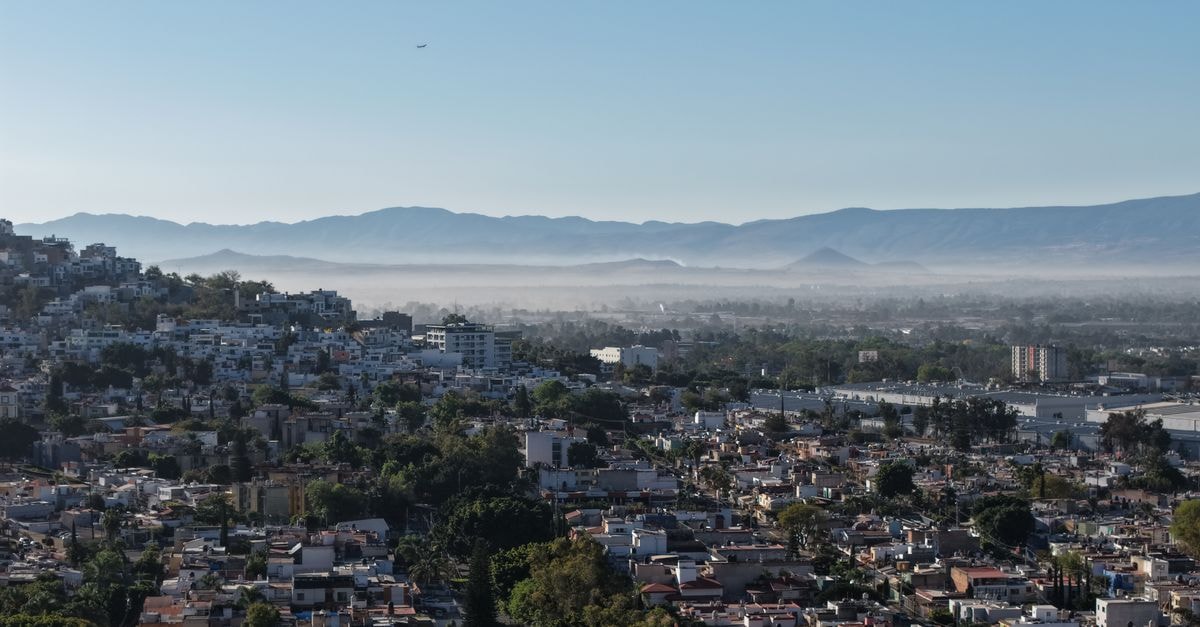
Moquegua sits in southern Peru, a quieter city that rewards travelers who enjoy unhurried streets, regional cooking, and the kind of light that turns warm on adobe walls. It is not built for rushing. Most visitors arrive by road, settle in, and let the pace of the place shape what they see. This guide keeps things simple: what the climate tends to feel like, how the city's bus network connects it to the rest of southern Peru, and one signature dish worth seeking out.
Weather and seasonal context
If you prefer a slower day, plan the heaviest sightseeing for the morning or late afternoon and let midday be for shade, lunch, or a quiet café. Travelers who mind UV exposure may want to keep a layer handy and pace outdoor time around the softer hours. For a full year-round picture of temperatures and rainfall, the local climate overview is the natural reference point, and it is worth glancing at before packing.
Getting around by intercity bus
Moquegua is well connected to the rest of southern Peru by long-distance bus, which is usually how visitors arrive and leave. One carrier operates along the southern corridor, with routes passing through Lima, Ica, Nasca, Mollendo, Camaná, Arequipa, Ilo, and Tacna. That network matters for trip planning: it means Moquegua can sit comfortably as a stop between Arequipa and Tacna, or as a pause on the longer run from Lima toward the Chilean border, without needing a separate flight or detour.
The carrier's own materials describe its service as passenger transport that "unites destinations," which is a useful way to think about the route map: Moquegua is a hub on a chain rather than an isolated endpoint. Schedules, fares, and seat availability change over time, so the bus company's current directory of routes is the right place to confirm exact timings before booking. If you are building a multi-city southern Peru itinerary, this single corridor can carry you from coastal Ilo up through Moquegua and on to Arequipa without changing companies, which simplifies logistics for travelers who like to keep things on one ticket.
For travelers who like predictable ground transport and minimal airport transfers, a city threaded into a long-distance bus network like this one may suit a planning style built around road connections rather than flights, provided the route is confirmed as currently operating with the carrier directly.
Food and a regional favorite
Peru's southern coast has a strong tradition of hearty, slow-cooked comfort food, and Moquegua sits inside that tradition. One dish that travelers regularly encounter in the region is Chicharrón de Chancho, fried pork that local promoters describe as unique in Peru for its particular flavor, attributed in part to how the animals are raised and fed. The phrase "único en el Perú" appears in regional culinary writing about this preparation, which is a fair signal that it carries a sense of regional pride rather than being a generic plate found everywhere.
That said, regional writing is not the same as a verified list of restaurants, prices, or opening hours, so the practical move is to ask locally where a given household or small eatery is cooking it well that day. Markets, family-style lunch spots, and weekend gatherings are usually where dishes like this shine, rather than polished dining rooms. Travelers who enjoy exploring regional cooking through casual, word-of-mouth recommendations may find this kind of dish especially rewarding, because the experience is less about a famous address and more about the conversation that leads you to it.
Choosing what fits your trip
Moquegua works best for travelers who want a calm base rather than a checklist of sights, and who are happy letting the city's rhythm set the pace. If you enjoy dry, mild climates and don't mind cool evenings, the typical weather pattern is comfortable for slow walking and long lunches. If your priority is a dense list of attractions and late-night energy, you may prefer to use Moquegua as a one- or two-night stop between larger hubs like Arequipa and Tacna rather than a base for the whole trip. The bus network makes that kind of passing-through visit easy, since the same carrier corridor covers both directions. Travelers who care most about regional cooking will probably get more out of a slightly longer stay, simply because casual food experiences tend to surface after a day or two of asking around. None of this requires a fixed itinerary; it is more about matching the city's mood to the kind of trip you actually want.
A short verification note
Climate averages, bus schedules, and which kitchens are cooking a given dish on a given day all shift over time. Before you travel, it is worth checking a current climate summary for Moquegua, confirming route times directly with the bus company whose directory lists the southern corridor, and asking locally for the most recent recommendations on where to try Chicharrón de Chancho. Travel conditions change, and official channels remain the most reliable reference before departure.
Share this article
TOOLS FOR THIS PLAN
Make the Moquegua plan measurable
Choose a tool only when it answers the next question in your trip. Your values stay in the browser, and each tool offers a route back to this planning context.