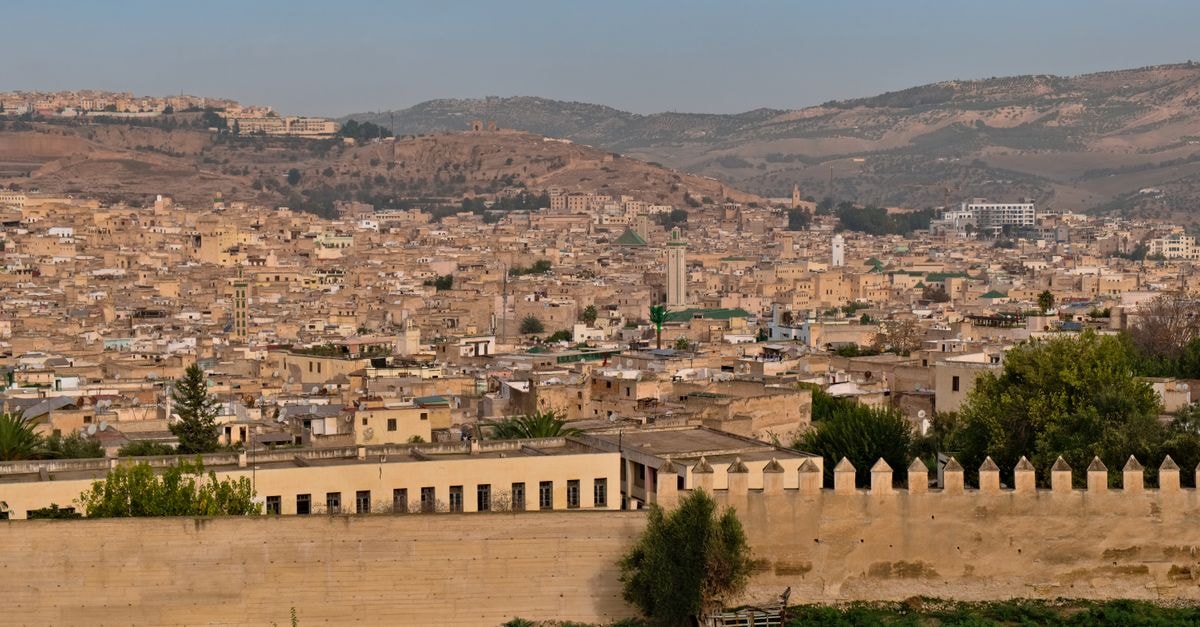
A grounded first look at Moundou

Moundou sits in the Logone Occidental region of southern Chad, and it has the kind of atmosphere that announces itself through small, sensory details. Picture charcoal grills sending up a thin haze, mopeds slipping between mango trees that shade quiet streets, and shopfronts whose faded saffron paint peels back to reveal a long colonial past. The city reads as lived-in and unhurried rather than polished for visitors, which is part of its pull. Even a short walk can turn into a slow, attentive encounter with everyday life, from stacks of fermented sesame balls sold by women on the roadside to children punting rattan footballs through red dust. This guide is written for travelers who want to plan a trip that respects those rhythms, with practical context on climate and getting around.
Weather and seasonal context
Moundou's tropical wet and dry climate is the single biggest planning variable for any visitor. According to available guidance, the dry season runs from November through April, and during those months the weather is generally cooler and more comfortable for exploring. Outside that window, conditions shift toward the rainy season, when the landscape turns lush but travel can become more challenging. The exact mix of sun, heat, and humidity will vary day to day, so the broader point is simply to pace plans around the season rather than around a specific calendar slot.
Travelers who do arrive during the wetter part of the year tend to encounter heavier afternoon skies and rougher road conditions in and around the city, while the dry season is widely framed as the more forgiving window for walking neighborhoods, lingering in markets, and exploring on foot. Because Moundou is not a heavily packaged tourist city, your day is likely to be shaped by small stops rather than ticketed attractions, which makes comfortable weather all the more useful.
A small seasonal detail that visitors often hear about is the cotton trade, which is part of the wider agricultural rhythm of the Logone area. In some accounts of the city, an afternoon can include bargaining in the cotton section of a textile market, followed by a stop at a market restaurant that serves local dishes. That kind of stop is worth treating as a suggestion of the texture of a Moundou afternoon rather than a fixed itinerary, since hours, menus, and prices at informal market eateries can shift and are best confirmed on the ground.
The practical takeaway is straightforward. If your schedule is flexible, leaning into the November to April dry-season window gives you the most forgiving conditions for slow, on-foot exploration. If you are visiting outside that window, expect a greener city, more humidity, and the need to plan travel segments with a little more margin for weather. Either way, lightweight clothing, patience with afternoon showers during the wet months, and a willingness to slow your pace will serve you well.
Getting around and staying safe
Moundou is laid out in a way that rewards moving slowly. Mopeds are a common sight threading through tree-lined streets, and central neighborhoods are walkable enough that much of what you will want to see as a visitor sits within a compact radius. Beyond the immediate center, longer journeys will typically rely on shared taxis, motorbike transport, or other local arrangements that are best organized through a guesthouse or a trusted local contact.
On the safety front, the available guidance for the city describes a moderate risk environment and recommends that visitors stay alert, take local advice, and avoid demonstrations. Regional instability in parts of Chad can affect the broader security picture from time to time, so even though Moundou itself has a calmer day-to-day feel than some other parts of the country, it is wise to check current advisories before you travel and to keep your plans flexible once you arrive. Keep your phone charged, keep copies of key documents, and register with your embassy if that is an option for your nationality. Treat any specific neighborhood guidance from locals as more current than anything you will read in a generic travel note.
Because conditions can change, the safer approach is to ask locally about road quality, the state of any river crossings, and the safety of specific routes on the day you intend to travel them. That kind of short, friendly check-in tends to yield more accurate information than a static map.
A practical mindset for the trip
There is no single right way to experience Moundou, and that is part of the appeal. Travelers who enjoy the texture of working cities, slow market browsing, and conversations over plates of grilled fish or peanut-based stews will find a lot to engage with. The city's climate suggests a fairly simple decision: aim for the cooler, drier months when you can, and build in more rest and flexibility when you cannot. Either way, travel with a light footprint, an open schedule, and an attentive approach to local advice.
The most useful thing a visitor can bring is patience. Allow time for unhurried meals, for the rhythm of afternoon trade, and for the occasional weather shift. With those adjustments, Moundou offers a thoughtful, distinctly Chadian experience that rewards visitors who come prepared for its climate and respectful of its pace.
> Factual conditions can change, so please verify the latest travel, weather, and safety guidance through official channels and your embassy before departure.
Share this article
TOOLS FOR THIS PLAN
Make the Moundou plan measurable
Choose a tool only when it answers the next question in your trip. Your values stay in the browser, and each tool offers a route back to this planning context.