A first impression of Moussoro

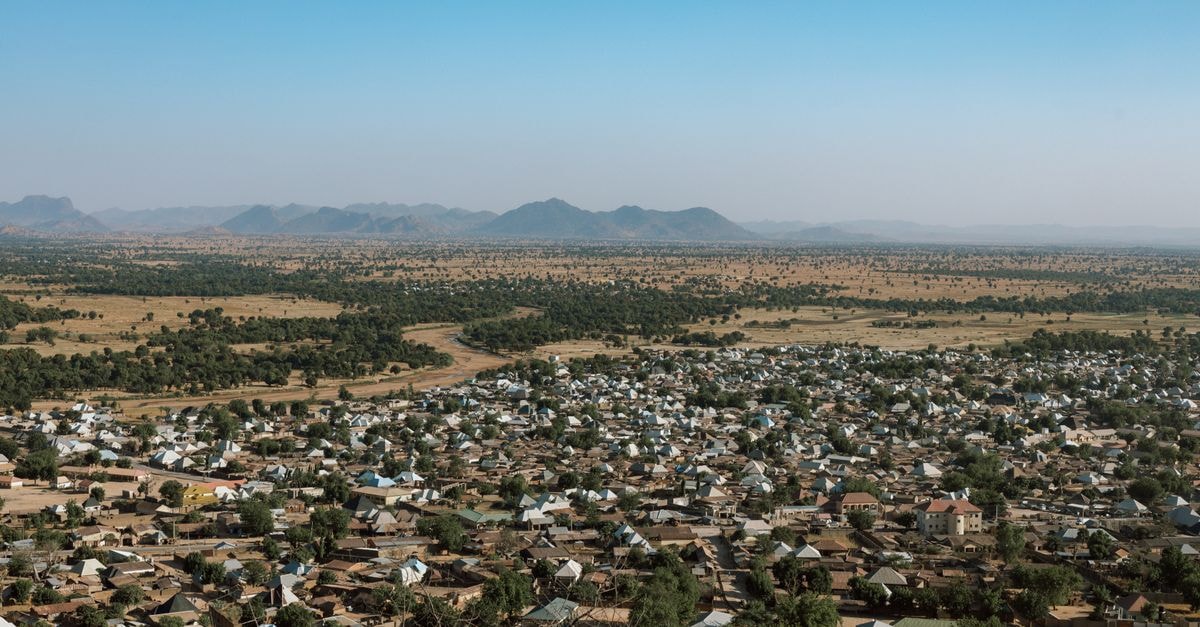
Moussoro sits in the Barh el Gazel region of Chad, a place that tends to draw visitors looking for something slower and more reflective than the capital. As a travel destination, it is small, unhurried, and rooted in local Saharan life rather than tourism infrastructure. Travelers who enjoy cultural sites, modest towns, and wide horizons often find that a Moussoro trip rewards a patient pace and a genuine respect for the rhythms of the community.
This guide gathers what is reliably known about the climate and the most frequently mentioned cultural landmark, then layers in practical framing for visitors who want to plan thoughtfully without overreaching what the evidence actually supports. It is intentionally evergreen, because the available sources describe long-term patterns rather than current conditions.
Weather and seasonal context
The available climate reference describes Moussoro's weather in terms of when hot-weather activities feel most pleasant, which is the most practical way to use the data. The best times of year to visit Moussoro for hot-weather activities are from late January to late March and from mid-October to mid-December. This framing comes from a beach and pool score that reflects how comfortable the heat feels for travelers who plan to spend long stretches outdoors.
A second note from the same climate overview explains that the assessment is built around how pleasant the weather feels throughout the year, using two travel scores to characterize each period. In practice, this means the timing question is less about absolute temperature and more about which windows feel least taxing for sightseeing, walking between sites, and lingering in open spaces.
For visitors who prefer gentler conditions, the cooler windows suggested by the climate data may suit a trip built around shorter outdoor sessions, with midday breaks planned around the heat. Travelers who are comfortable in higher temperatures, or whose plans focus on early-morning and late-afternoon activities, may find other periods workable as well, though the source does not characterize those periods in detail. Because this is an evergreen guide, it is worth checking a current forecast close to departure, since the patterns above describe long-term feel rather than today's conditions.
Attractions and planning
The most clearly documented cultural landmark in the available sources is the Grand Mosque of Moussoro, described in detail in a regional tourist overview. Visitors to the mosque can expect to see majestic minarets that reach towards the sky, beautifully adorned prayer halls, and vibrant community gatherings during prayer times. The same overview frames the Grand Mosque of Moussoro as a must-visit site for anyone interested in exploring Chad's rich cultural heritage and Islamic traditions.
That single sentence carries several practical implications for travelers. First, the mosque is presented as a cultural and architectural site as well as a working place of worship, which means visitors should approach it with the same respect they would give any active religious building in the region. Second, the mention of vibrant community gatherings during prayer times suggests that timing a visit around prayer hours will look and feel very different from visiting during quieter stretches, and travelers who prefer calm observation may want to plan around the call to prayer rather than arrive mid-gathering.
Third, the framing as part of Chad's broader Islamic heritage offers a useful lens. Visitors who arrive with some context about wider Chad's religious and cultural traditions are likely to read the visit more richly, while those who treat it simply as a photo stop may miss the layered meaning that the source emphasizes. Travelers who specifically enjoy sacred architecture, decorative interiors, and observing community life in a respectful, non-intrusive way may find this stop especially rewarding.
For travelers who are more focused on nature, markets, or outdoor adventure, the available evidence does not describe other named attractions within Moussoro, so it is worth checking local guidance before assuming what else the town offers beyond the mosque and the surrounding Saharan landscape.
Planning a trip that fits your style
Moussoro's appeal depends heavily on what kind of traveler you are. Because the climate reference speaks to comfort during hot-weather activities, visitors who plan to spend long hours outside may want to anchor their trip around the cooler windows and pace the day accordingly. Those who are more interested in cultural visits and short walks between sites have more flexibility, since a mosque visit and similar stops are less heat-dependent than a full day outdoors.
The Grand Mosque is the one landmark the sources describe in meaningful detail, so travelers who arrive with a specific interest in religious architecture or community gatherings will find the richest material here. Visitors who prefer a wider checklist of named attractions may want to set expectations carefully, since the evidence does not support a long list of documented sites within the town itself. A short conversation with local hosts or guides after arrival can fill in what the written sources leave out, and is often the most reliable way to learn about smaller points of interest, current opening patterns, and respectful visiting hours.
Travelers who like to combine a cultural stop with quiet time in a small Saharan town will likely feel most at home in Moussoro. Those who need a dense itinerary of multiple named attractions each day may find the pace slower than expected, and may want to plan fewer days on the ground rather than push for a packed schedule.
A few things worth verifying before you go
Because the available sources describe long-term climate patterns and one landmark in general terms, several practical details are best confirmed closer to travel. Visitors may want to ask about current visiting hours and etiquette at the Grand Mosque, since the source describes what the mosque looks like and how it is used, but does not specify day-to-day access rules. Travelers with specific accessibility, language, or transport needs may also benefit from a quick check with local contacts, because the available sources do not address those details directly.
As always with travel in this region, broader conditions on the ground can shift, and the patterns described above are meant as durable context rather than a live status report. Treat the guidance here as a starting point, then refine it with up-to-date local information before departure.
*Factual conditions can change, so official channels and local contacts should be checked before departure.*
Share this article
TOOLS FOR THIS PLAN
Make the Moussoro plan measurable
Choose a tool only when it answers the next question in your trip. Your values stay in the browser, and each tool offers a route back to this planning context.