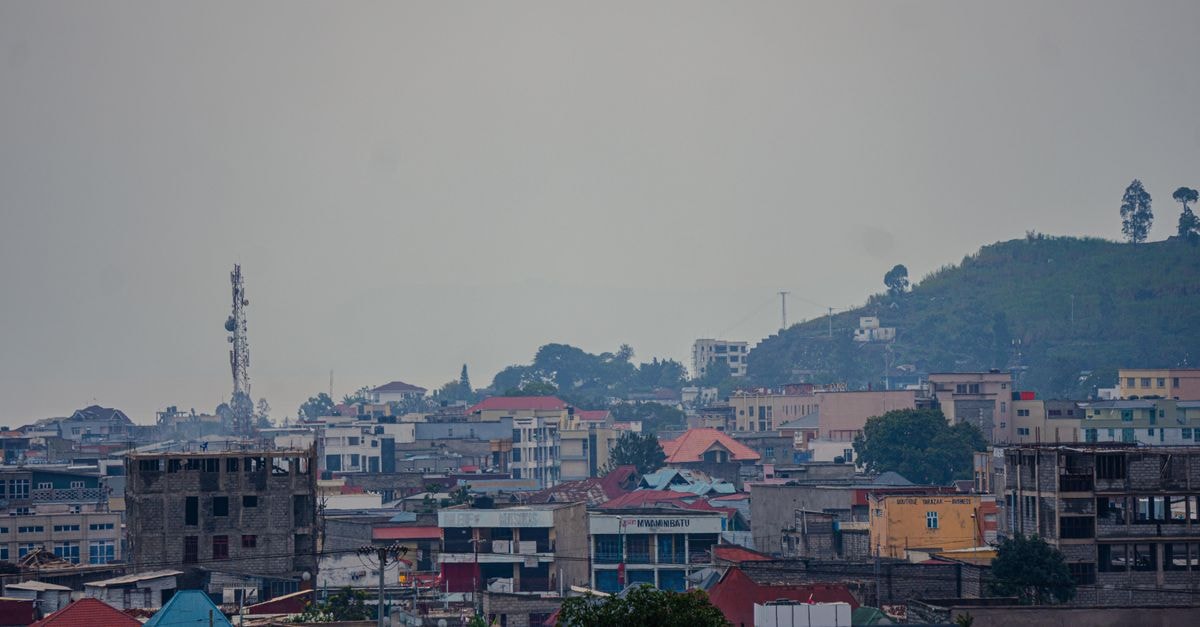
A dusty crossroads with a wild horizon

There is a particular kind of anticipation that builds on the road into Mpanda. The last stretch unwinds through dusty streets, river crossings, and bush tracks that seem to signal, with every bump and splash, that something wilder is just ahead. Mpanda sits in the far western reaches of Tanzania, a vibrant and bustling town that pulses with the rhythms of a rural commercial hub. As the administrative capital of the Katavi Region, it acts as the vital commercial and logistical heart for the surrounding area, the place where journeys into deeper Tanzania are staged before they truly begin.
This is not a town of polished boulevards or curated sightseeing stops. It is a working town with dirt under its fingernails, the kind of place where the day is shaped by traders, transshipment, and the steady flow of travelers and crews moving toward the game-rich landscapes that lie beyond. Coming to Mpanda with the right expectations, those of a traveler happy to trade gloss for grit, opens the door to one of Tanzania's most authentic stopovers.
The feel of the gateway
Mpanda has the unmistakable character of a regional capital that still leans on its agricultural and small-scale mining roots. The town serves as a hub for the marketing and movement of staple crops like rice and maize, and conversations at the market and in guesthouses often circle around harvests, supply runs, and the steady trickle of mineral prospectors passing through. The wider Katavi region has been drawing increasing interest from gold prospectors, a quiet undercurrent of the local economy that adds a frontier feel to the place.
For visitors, this translates into a base where practical matters matter more than sightseeing lists. Fuel, cash, vehicle checks, and last-minute supplies all happen here before travelers head out. It is also a town where you are more likely to share a bench with a wildlife ranger on transfer than a tour coach, which gives Mpanda a charm that more polished safari gateways have lost.
Weather and seasonal context
Mpanda does not arrive with a manicured climate brochure. Conditions can feel warm and dry for long stretches, with the landscape often carrying that hazy, sun-bleached look common to western Tanzania's interior. Because this is an evergreen guide, there is no single month pinned down here, but the general traveler instinct still holds: pack light, breathable layers, a sun hat, and a waterproof layer for the river crossings and bush tracks that approach and leave the town.
The deeper reason most travelers time their visits is not the weather in Mpanda itself but what is happening in the wilderness beyond. Safari-goers tend to use Mpanda as the last logistics stop before heading into the wider Katavi area for deep, wildlife-rich game viewing and seasonal fishing on nearby waterways. That means Mpanda is often a busy staging point when conditions in the parks are at their best, with vehicles and guides gathering fuel and provisions before the final push into the bush. Planning your Mpanda nights around your safari schedule, rather than the other way around, tends to make the trip feel smoother and less rushed.
Getting around
Mpanda rewards travelers who treat movement as part of the adventure. Within the town itself, distances are manageable on foot, though the dusty streets and the strong western sun make a hat and water bottle non-negotiable. For longer movements, particularly toward the parks and reserves beyond Mpanda, the picture shifts to bush tracks and river crossings that demand a suitable vehicle and a steady driver. Many visitors arrange transport as part of a safari package from operators familiar with the local roads, rather than trying to improvise on arrival.
Because Mpanda is a rural commercial hub for rice and maize marketing, it is also a place where trucks and agricultural supply vehicles are part of the daily rhythm. That can mean slow-moving traffic on the main roads in the early mornings and late afternoons, a useful detail to remember when timing a departure toward the parks. The presence of mineral prospectors in the wider Katavi region is another reminder that this is an active working landscape, so patience and flexibility tend to be more useful than a rigid schedule.
If you are planning to use Mpanda purely as a one- or two-night logistics stop, the simplest mental model is this: arrive, settle in, check in with your safari operator, confirm vehicle and fuel arrangements, and then move on. Trying to layer in extra sightseeing inside the town itself rarely pays off, because Mpanda's appeal lies mostly in the quality of its gateway function rather than in dense urban attractions.
Practical rhythm and traveler tips
The strongest reason to slow down in Mpanda, even for a single evening, is the transition it offers. Hot water, a real bed, and a cold drink after a long drive into the Katavi region feel like small luxuries. By the time you leave the next morning, with a topped-up vehicle and a clear plan, Mpanda has done its job: it has carried you from the wider world and set you gently, and practically, on the road toward some of Tanzania's least crowded wild places.
A note before you go
Travel conditions, road access, fuel availability, and park logistics in the Katavi region can shift with weather, seasonal access, and local operations. Treat this guide as a starting frame, and confirm current details with your safari operator, regional authorities, or official Tanzania tourism channels closer to your departure. Rates, fees, and on-the-ground services should always be rechecked in person before you commit time or money to the next leg of the journey.
Prices, opening hours, schedules, reservation rules, and local conditions can change; verify them through official channels before departure.
Share this article
TOOLS FOR THIS PLAN
Make the Mpanda plan measurable
Choose a tool only when it answers the next question in your trip. Your values stay in the browser, and each tool offers a route back to this planning context.