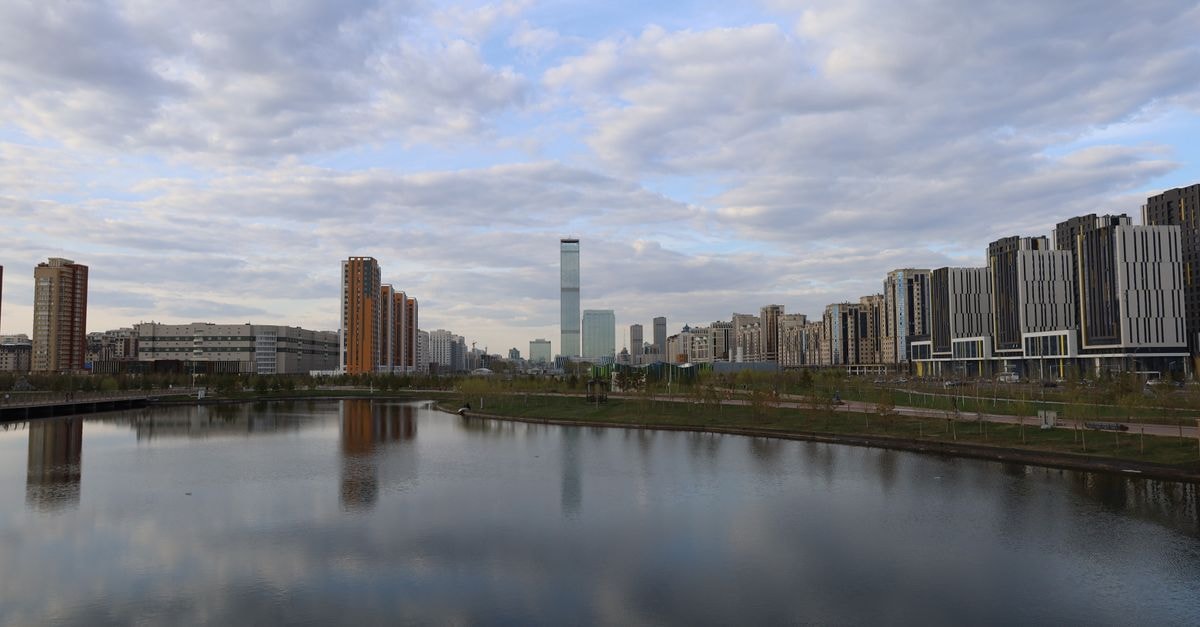
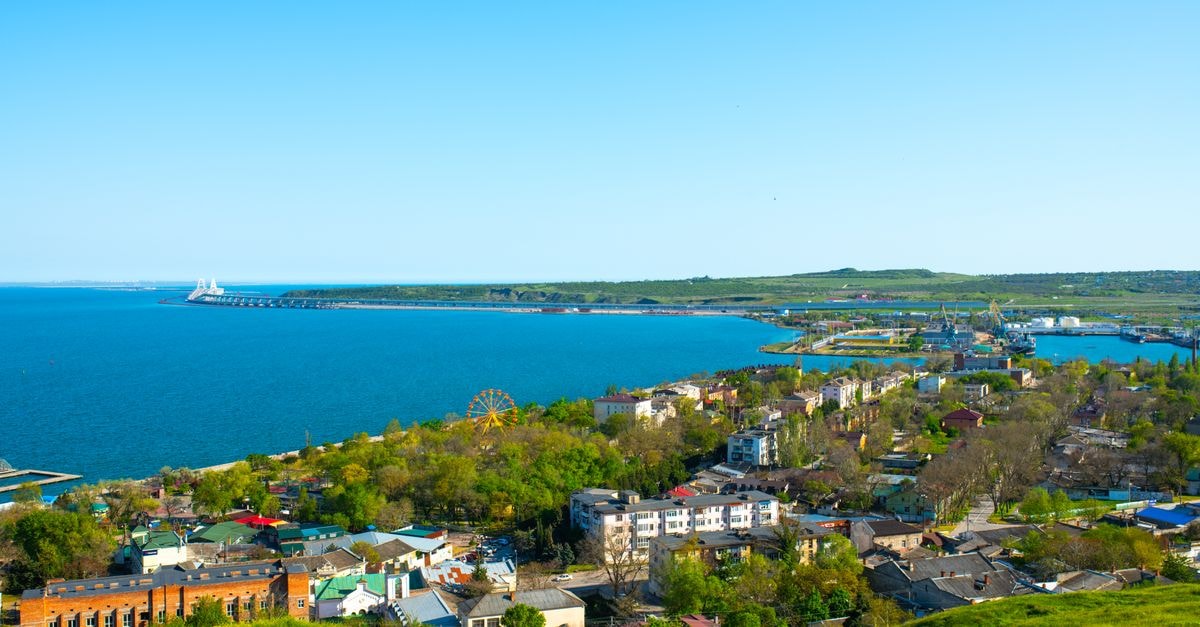
There is something appealing about cities that introduce themselves through a nickname before a fact sheet. Known locally as Yar Chally (a Tatar phrase meaning "red coast"), the city earned that poetic label from its position on a reddish clay cape above the Kama River. It sits in the northeast of Tatarstan — smaller than the republic's capital Kazan, yet larger than many of its other cities — and it tends to register on visitor maps as an industrial stop rather than a headline destination. That relative quietness is part of its character for travelers who prefer unhurried urban textures over checklist tourism.

The city's left-bank harbor on the Kama gives it an open, river-facing feel. Visitors who arrive expecting a polished resort town will instead find a working city with a wide horizon, a sense of space that comes from being built around water, and an unhurried pace that rewards those who like to observe rather than rush.
Weather and seasonal context
For travelers who don't mind bundling up, the cooler weather can suit the city well. Short outdoor stretches are easier to plan when the cold is predictable rather than biting, and fewer crowds tend to mean a calmer experience of the city's everyday rhythm. Layers, a windproof outer jacket, and comfortable closed shoes tend to be the practical foundation for getting outside comfortably, especially if you want to linger along the river.
If you are particularly sensitive to cold or wind, consider keeping outdoor segments shorter and paced around the day's coldest hours.
Getting around
The city's geographic footprint is easy to grasp because the Kama defines one edge and the rest of the city fans outward from there. The center is located about 225 kilometers east of Kazan, which is the most common regional reference point for travelers arriving from elsewhere in Tatarstan. For those coming by rail, the relevant station, Krugloe Pole, sits about 17 kilometers to the north-east of the city — meaning the railway station itself lies roughly 17 km to the north-east, requiring an onward transfer into the city rather than a direct drop in the center.
The Kama-side setting shapes how the city feels on foot. The harbor and riverbank areas give visitors a natural anchor for orientation, while the residential and commercial districts unfold inland from there. Because the city is described as smaller than Kazan but substantial in its own right, distances between neighborhoods can still add up, so pairing walking with local transport options tends to be the most relaxed approach.
Practical questions about specific timetables, taxi apps, or intercity bus connections are best confirmed close to departure, since schedules and services can change. Likewise, if you are arriving with heavy luggage or on a late train, checking the onward transfer from Krugloe Pole in advance can save an unnecessary wait in the cold.
Food and local context
Naberezhnye Chelny's culinary scene is described as one that quietly surprises visitors — a useful clue that the dining culture here rewards curiosity rather than expectations shaped by larger tourist cities. The mix of Tatar, Russian, and broader post-Soviet influences tends to surface in everyday menus rather than in themed restaurant districts.
Because specific restaurant recommendations, opening hours, and price ranges are not pinned down in the available background, it is worth doing a quick local check before heading out, especially if you have particular dietary needs or are planning a celebratory meal. The city's reputation for understated, genuine kitchens is itself the invitation: approach it as a place to discover rather than a place to optimize.
Choosing what fits your trip
The honest appeal of the city is that it asks for a different kind of attention than a marquee city. Travelers who enjoy observing riverbanks and quieter urban landscapes may find the harbor setting and the Yar Chally name give the visit a clear sense of place. Those who prefer dense sightseeing lists, major museum circuits, or vibrant nightlife may find the pace quieter than expected and may want to pair the stop with a broader Tatarstan itinerary rather than treat it as a standalone headline destination.
A practical approach is to anchor the visit around the Kama waterfront and a small number of food and conversation stops, leaving room for whatever a local recommendation surfaces. Travelers sensitive to cold and wind may prefer shorter outdoor segments, while those drawn to crisp, atmospheric light can comfortably spend more time outside. Either way, the city tends to reward a flexible rhythm over a packed schedule.
Factual travel conditions — from weather specifics and transport schedules to opening hours and local services — can change over time. Official channels and up-to-date local sources should be checked before and during your trip so that the details above can be confirmed for your specific dates and circumstances.
Share this article
TOOLS FOR THIS PLAN
Make the Naberezhnye Chelny plan measurable
Choose a tool only when it answers the next question in your trip. Your values stay in the browser, and each tool offers a route back to this planning context.