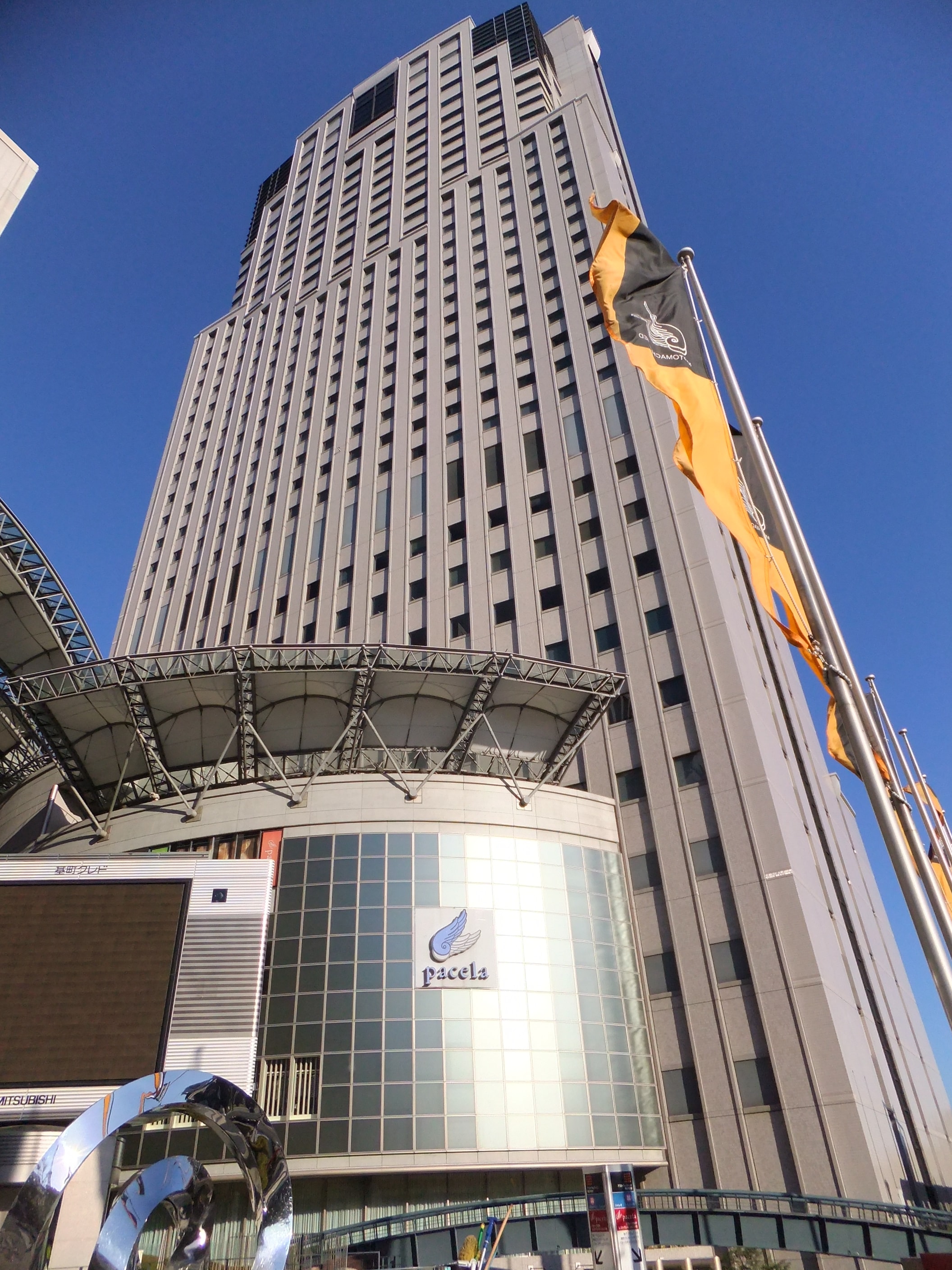
A harbor city shaped by the world

Nagasaki sits tucked into the hills and inlets of northwestern Kyushu, where the harbor has been a meeting point for traders, travelers, and ideas for centuries. That geography shows up everywhere, from the steep streets that tumble toward the water to the city's long reputation as one of Japan's most outward-facing ports. Today, Nagasaki feels smaller and more intimate than Japan's larger gateway cities, which is part of its appeal for travelers who want a slower pace and a sense of layered history. The compact harbor area is easy to settle into, and several of the most meaningful sites sit within walking distance of the central waterfront.
The city's story is unusually complex, and honoring it is part of a thoughtful visit. Nagasaki's past as a trading port, its role in the modern era, and the resilience of its communities all shape the experience. A good trip here tends to weave together quiet moments in hillside neighborhoods, reflective time at historic sites, and long evenings eating your way through a culinary tradition that genuinely stands apart.
Getting around
Most travelers arrive at the local airport, and the airport bus is the most straightforward way to reach the city center. The bus service runs between the airport and the city along a route that passes through Nagasaki Shinchi, the central station area, and other central stops, with two main routes bound for the city via these landmarks. The trip time is something to plan around rather than set in stone, because arrival times can be delayed by traffic conditions and other factors on the road. Treating the bus as the spine of your arrival and departure day is the simplest approach, especially if you are staying near the harbor or near the central station.
Once you are in the city, the geographic layout does a lot of the work. The central waterfront, the commercial arcades around the main station, and many of the major sites are reasonably close together, and the city's tram network and local bus routes fill in the gaps. Before you travel, it is worth checking the latest bus timetable directly, since schedules can change and confirmed times are the kind of detail you want to verify rather than assume.
Attractions and planning
Nagasaki is a city where history is felt rather than rushed through. The peace memorial park is a quiet, contemplative space set in the heart of the city, and a visit is widely described as essential to understanding Nagasaki's past and the message of peace it carries for the future. The park is designed for unhurried walking, with sculptures, fountains, and memorials that reward time rather than distance. Plan to slow down here, read the inscriptions, and let the space set the tone for the rest of your stay.
The Atomic Bomb Museum, located near the park, is a significant site in Nagasaki's history and provides deep context for what you experience outdoors in the memorial area. Together, the two sites form the heart of any thoughtful visit to the city. Because the subject matter is heavy and the museum is thorough, it is worth allowing a generous block of time, and travelers generally find it more meaningful to visit the park first and the museum second. Treat both as places to absorb, not to photograph and move on from.
Food and local context
One historic venue that captures this layered dining culture is Ryotei Kagetsu, a ryotei restaurant that has been a favorite of writers and artists since the end of the Edo period as a social gathering place for cosmopolitans. Long-established kaiseki houses like this one are a reminder that dining in Nagasaki is not just about what you eat but about the rooms and traditions you eat in. Across the city, you will find a mix of heritage restaurants, casual noodle shops, and Chinese-influenced eateries that reflect the port's history. A relaxed way to approach the food scene is to pick one or two special meals and let the rest of your days be filled with spontaneous discoveries in the arcades and side streets.
While in Nagasaki, you may also encounter broader Japanese dining customs, such as the widespread preference for cash at smaller establishments and the practice of waiting to be seated. These are nationwide conventions rather than Nagasaki-specific ones, but they are worth knowing as you move between restaurants and shops.
Planning notes and how to verify
A few practical points help the trip run smoothly. Confirm bus schedules and any route changes through the official airport and city transport pages before you travel, since timetables can be updated. The same goes for opening hours at the museum and peace park, which can shift seasonally. Where details matter most, a quick check closer to your visit will save you from surprises, especially around holidays and busy travel periods.
Above all, give Nagasaki room to breathe. The city rewards travelers who arrive curious, walk slowly, and let the harbor, the hills, and the food tell the story. Verified facts can change, so always confirm the latest information through official channels before you go.
Share this article
TOOLS FOR THIS PLAN
Make the Nagasaki plan measurable
Choose a tool only when it answers the next question in your trip. Your values stay in the browser, and each tool offers a route back to this planning context.