Destination overview

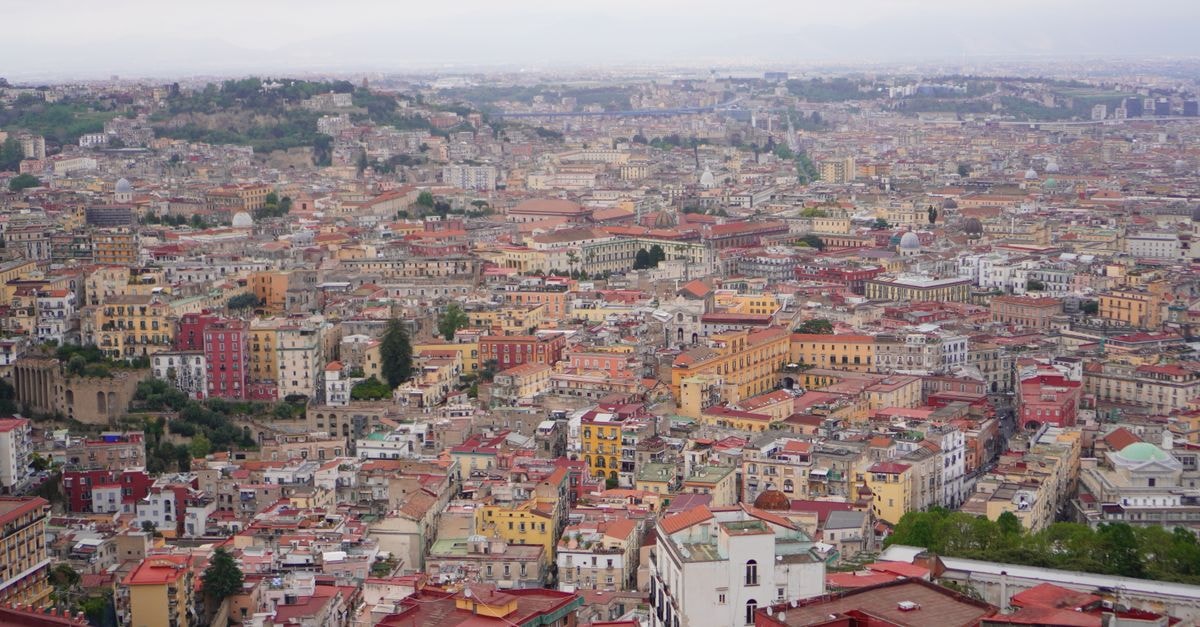
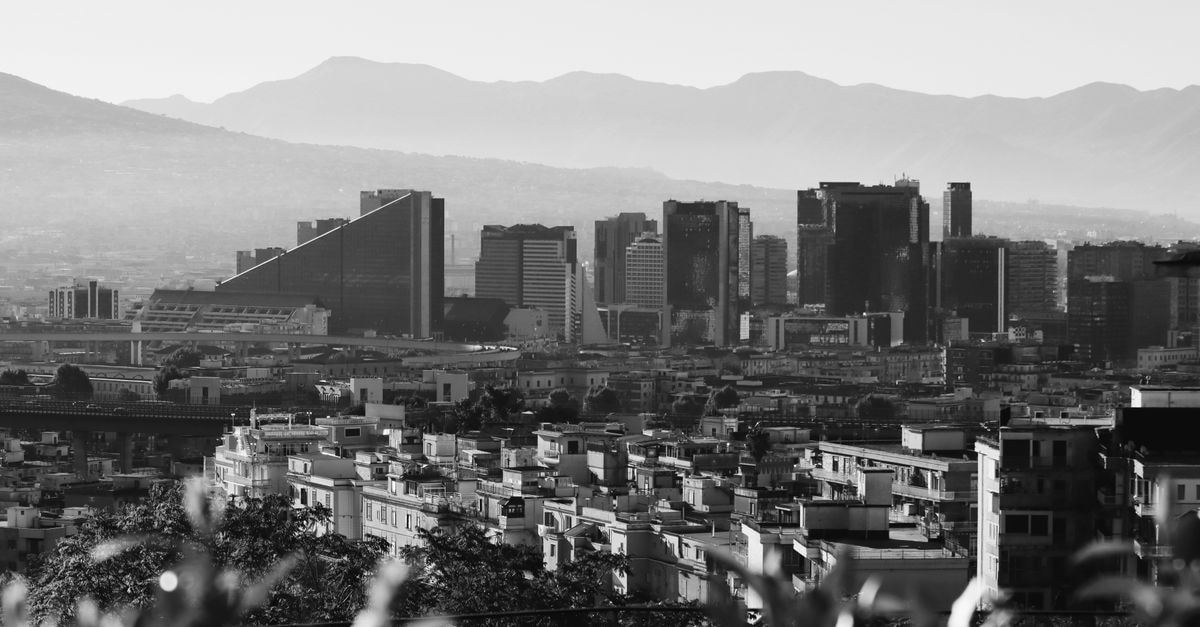
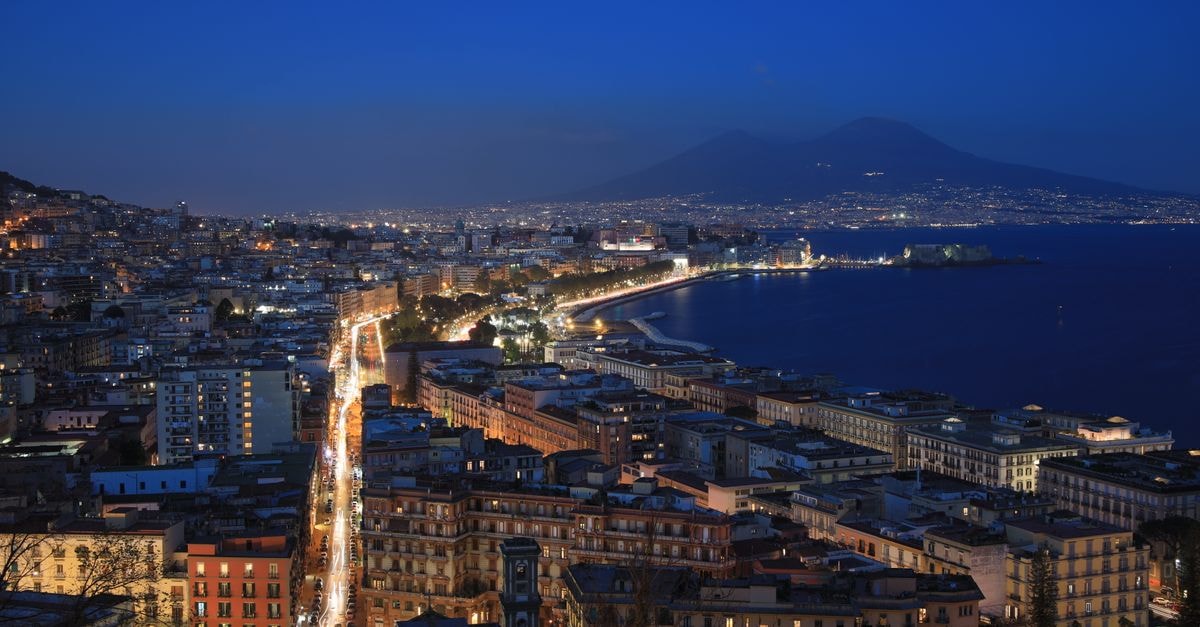
Naples (Napoli) is Italy's third-largest city, set on the Bay of Naples between Mount Vesuvius and the Campi Flegrei volcanic fields. The historic center is a UNESCO World Heritage Site, dense with Baroque churches, underground Greek and Roman remains, and the kind of layered street life that has shaped a powerful regional identity. Naples is the birthplace of pizza — Neapolitan pizza-making is itself UNESCO Intangible Cultural Heritage — and is widely treated as the most authentic major city in Italy: raw, loud, and famous as much for its archaeological treasures as for its food.
The city also works as a hub for day trips to Pompeii and Herculaneum, the Amalfi Coast, and the Bay islands.
July weather and seasonality
July is high season and joint-warmest month of the year in Naples. Daytime highs average 31°C (88°F) and nighttime lows around 19°C (66°F), with only about 2 rainy days across the month and roughly 20 mm of rainfall — effectively the driest month of the year. Sea temperature sits at about 27.2°C, warm enough for full beach days along the Posillipo coast.
Sunrise on the 15th is around 5:43 AM and sunset around 8:33 PM, giving roughly 14 hours 50 minutes of daylight. The UV index at noon reaches 12 — extreme — so midday sun exposure is genuinely punishing and worth planning around.
Heat comes in waves, occasionally intensified by scirocco winds out of North Africa. Mosquitos are moderately active at dawn and dusk. Compared to April, May, or September — the traditional sweet spot — July crowds are noticeably heavier and hotel prices higher, but ferries run at maximum frequency and every attraction is open.
Getting to Naples and moving around
Naples International Airport (NAP) is the main gateway. The city connects to Rome by high-speed train in just over an hour, which is often the easiest arrival from elsewhere in Italy.
Inside the city, driving is best avoided because of heavy traffic and difficult parking; public transport, taxis, and walking cover almost everything in the historic core. To reach Pompeii and Herculaneum, the Circumvesuviana commuter train is the standard option, and starting early is wise because trains get crowded once the day warms up. Ferries run from Naples to Capri, Ischia, and Procida at maximum summer frequency. Sorrento is reachable by ferry in about 35 minutes or by Circumvesuviana. For the Amalfi Coast towns, ferries or organized small-group trips beat driving in July traffic.
Top sights and day trips
In the historic center, Spaccanapoli is the long straight street that cuts through the old city like a compass line, lined with churches, palaces, and street food vendors. Key stops include the Duomo di Napoli, the Cappella Sansevero (home to the Veiled Christ), and the underground Naples — a labyrinth of Greek, Roman, and WWII-era tunnels beneath the city, with guided tours starting from around EUR 10.
The Museo Archeologico Nazionale di Napoli is one of the world's most important archaeological museums, housing the Farnese Collection, Pompeii and Herculaneum artifacts, ancient mosaics, and the Secret Cabinet. The Capodimonte Museum, set in a royal palace and park, holds Italian masters including Caravaggio, Titian, Raphael, and Botticelli, plus the royal apartments.
For vantage points, Castel Sant'Elmo on Vomero hill offers 360-degree views of the bay and Vesuvius, and Castel dell'Ovo on the seafront is free to enter and photogenic at sunset. Castel Nuovo (Maschio Angioino), the Royal Palace of Naples, and Piazza del Plebiscito round out the standard historical set.
The Quartieri Spagnoli (Spanish Quarter), the grid of narrow streets west of Spaccanapoli, is where everyday Naples happens at maximum density — balconies doubling as social stages, laundry strung between buildings, scooters threading the alleys. It can feel intense if you're not used to dense urban energy.
Day-trip ideas: - Pompeii and Herculaneum by Circumvesuviana — book early-morning slots before the heat builds. - Capri, Ischia, or Procida by ferry. - Sorrento by ferry or train. - Amalfi Coast towns (Positano, Amalfi, Ravello) by ferry or organized tour.
The Campania Artecard offers discounted entry across multiple monuments and is worth checking for length-of-stay visitors.
July events and festival dates
Several recurring Naples events peak in July:
- **Estate a Napoli** — the city's summer arts program runs across June, July, and August with open-air cinema and evening performances. - **Campania Teatro Festival** — peaks in July with theater across the region. - **Madonna del Carmine** (July 16) — a religious festival with processions along the waterfront. - **Noisy Naples Fest** (around July 23–24) — a music event; central accommodation for that weekend tends to book out early.
For these mid-July dates, central hotels and ferry slots to the islands typically price 10–35% above early-July weekday rates. There is no national public holiday in July — Ferragosto falls on August 15 — but the city is firmly in peak-summer mode, with later dinners and a more festival-driven atmosphere.
Hotels, tickets, and booking pressure
July is high season, and central Naples' best rooms and premium properties tend to book first.
- **Hotels:** A 2–3 month lead time is sensible, particularly for the July 16 and July 23–24 festival weekends. - **Flights:** About 2–3 months ahead typically balances price and availability; Tuesday/Wednesday departures usually cheaper than weekend ones. - **Ferries:** Book 4–6 weeks ahead for weekend July sailings; demand spikes sharply on weekends. - **Pompeii and archaeology sites:** Reserve early-entry slots 3–5 weeks ahead — morning Pompeii and Vesuvius slots fill first. - **Cappella Sansevero and other timed indoor visits:** Reserve 2–3 weeks ahead; midday slots become valuable once the heat kicks in. - **Small-group Amalfi Coast trips:** Book 5–10 days ahead; weekend departures run noticeably above midweek.
Without advance booking, queues of 45–60 minutes are common at the National Archaeological Museum and Cappella Sansevero. The Campania Artecard is a practical way to bundle museum and monument entries.
Local food and dining customs
Neapolitan cuisine is built around a few anchor ingredients: San Marzano tomatoes from the plain south of Vesuvius, mozzarella di bufala Campana, extra virgin olive oil, basil, garlic, fresh seafood, and durum wheat. Dishes are bold, bright, and umami-rich, with a deep tradition of both quick frying and slow-simmered sauces.
Must-try items:
- **Pizza Napoletana** — Margherita (tomato, mozzarella, basil) and Marinara (tomato, garlic, oregano, olive oil), UNESCO-protected. Look for VPN (Vera Pizza Napoletana) certification. A Margherita at a classic pizzeria runs about EUR 5–6. - **Sfogliatella** — a shell-shaped pastry, either riccia (flaky layers) or frolla (shortcrust), filled with ricotta, semolina, and candied citrus. Best eaten fresh from a pasticceria. - **Babà al rum** — a sponge cake soaked in rum syrup. - **Pizza fritta / pizza al portafoglio** — fried pizza, often folded street-style. - **Cuoppo** — a paper cone of mixed fried seafood or vegetables (small fish, calamari, zeppoline, panzerotti). - **Crocchè di patate** — potato croquettes flavored with mint or parsley. - **Mozzarella in carrozza, alici fritte, frittatina di pasta, impepata di cozze, parmigiana di melanzane.** - **Limoncello** — lemon liqueur from the Amalfi Coast, served chilled as a digestivo.
Dining customs:
- **Meal times:** Lunch typically 1–3 PM; dinner usually 8–10 PM, sometimes later. Many restaurants close between lunch and dinner service. - **Cover charge (coperto):** Around EUR 1–3 per person, usually listed on the menu. - **Service charge (servizio):** Sometimes added (around 10–15%), typically for larger groups or in tourist areas; if present, no further tip is expected. - **Coffee:** Espresso is the norm, drunk quickly, often standing at the bar. Cappuccino is a breakfast drink. - **Aperitivo:** Drinks with small snacks, usually 6–8 PM.
Safety, costs, and saving tips
Crime against tourists in Naples is comparable to Rome or Barcelona, but standard urban precautions apply: watch bags and phones in dense crowds, especially around Piazza Garibaldi, the Quartieri Spagnoli, and on the Circumvesuviana at peak hours. The chaotic scooter traffic is a real factor — look both ways even on one-way streets.
A general daily budget in Naples runs roughly EUR 50–300 per person, depending on style. July is peak season, so hotels, ferries, and popular time slots run well above off-season levels.
Ways to ease the July spend: - Visit free sites — Castel dell'Ovo is free to enter, and many Baroque church exteriors cost nothing. - Use the Campania Artecard if you plan multiple museum and monument visits. - Book Pompeii and timed-entry slots early to avoid premium same-day resellers. - Eat pizza and street food for lunches — a margherita and a sfogliatella cost less than a sit-down meal. - Walk the historic core rather than relying on taxis between close attractions.
Payment is in euros (EUR). Card acceptance is widespread in restaurants and hotels, but cash is still useful at friggitorie, market stalls, and small pasticcerias. Exchange rates fluctuate and should be checked live before converting.
Festival dates, opening hours, ferry timetables, and ticket policies change — confirm with official channels close to travel.
Exchange rates shown are for reference only; check the current live exchange rate before departure.
Share this article
TOOLS FOR THIS PLAN
Make the Naples plan measurable
Choose a tool only when it answers the next question in your trip. Your values stay in the browser, and each tool offers a route back to this planning context.