A First Look at Narsingdi

Narsingdi sits in the Dhaka Division and rewards travelers who like their cities with a strong sense of place. It is known as a culturally rich district where local traditions and heritage still shape everyday life, and the surrounding landscape offers a softer, greener counterpoint to the capital. For visitors arriving from elsewhere in Bangladesh, Narsingdi reads as a relaxed-yet-textured stop, the kind of place where a short stay can still leave a lasting impression.
This guide focuses on what is genuinely useful for a trip: how to reach Narsingdi smoothly, how to approach the local attractions, and how the culinary scene fits into the wider cultural picture. Where details can shift over time, a short verification note at the end offers a simple way to confirm before you travel.
Getting Around
Reaching Narsingdi is refreshingly straightforward, especially if you are already in the Dhaka area. Train travel from Hazrat Shahjalal International Airport’s adjacent railway station is a practical option for visitors who land in the capital and want to continue onward to Narsingdi by rail rather than negotiating city traffic. The connection makes it possible to step off a flight and transition almost directly toward the district, which is appealing for travelers who prefer to keep their itinerary moving.
The same route can also be reached by road, so you have two realistic choices depending on your pace and luggage. Road works well if you want flexibility along the way, while the train tends to suit visitors who would rather let someone else handle the driving. For travelers who enjoy slow observation, the railway option can feel like a gentler introduction to the countryside beyond Dhaka.
One practical note worth keeping in mind: train timings are usually stable, but Bangladesh Railway does make minor adjustments from time to time. It is sensible to verify the most current schedules close to your travel date, particularly if you have a flight to catch on either end. Treat any timetable you read as a starting point rather than a final answer.
Attractions and Planning
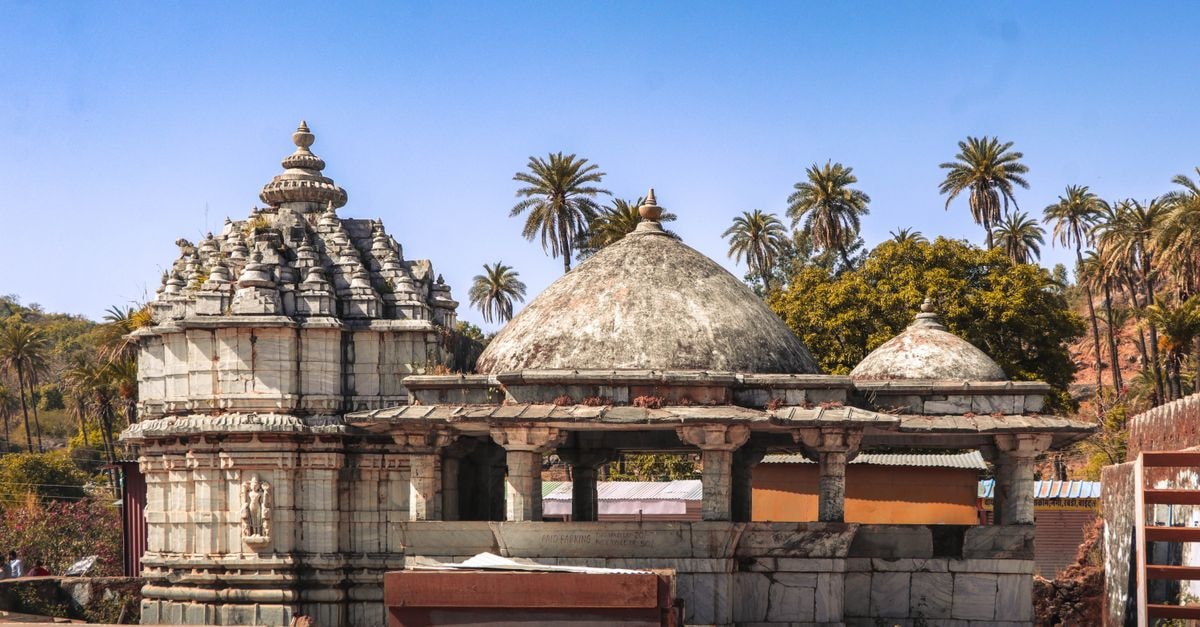
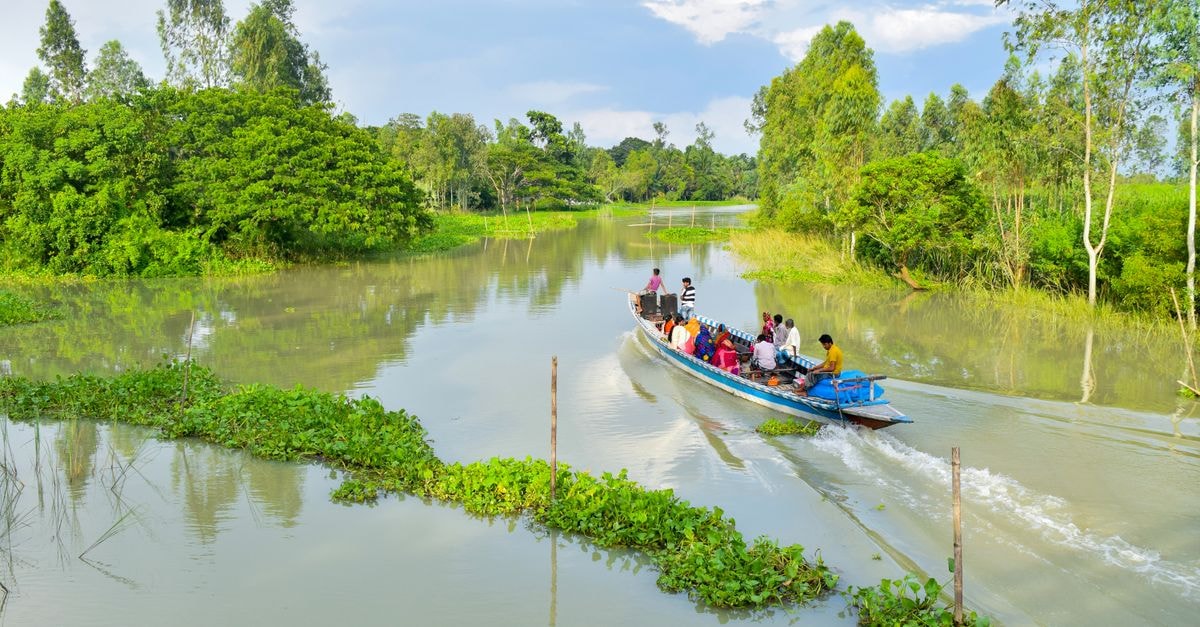
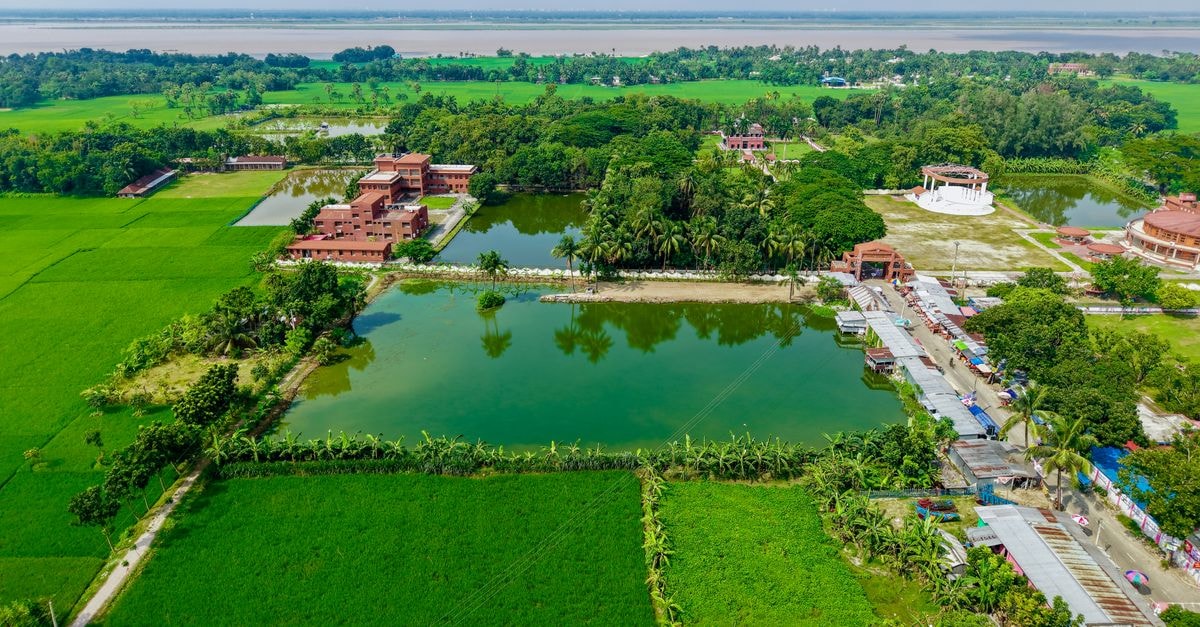
Narsingdi carries a quiet pride in its local heritage, and the district’s tourism draw leans on that sense of identity. The wider attractions list reads as a diverse mix, with historical sites that connect visitors to older layers of the region alongside calmer, more natural corners where you can pause and take in the surroundings. That range is one of the district’s quiet strengths: it allows a single trip to hold both cultural depth and a softer, restorative rhythm.
When planning your time, it helps to think in terms of mood rather than a fixed checklist. Visitors who gravitate toward storytelling and heritage can lean into the historical places and let those anchor the day. Travelers who prefer a slower pace can balance those stops with the natural spaces that dot the district, using them as breathing room between more concentrated sightseeing.
Because the attraction mix is intentionally varied, the order in which you visit them can shape the feel of your trip. If you enjoy easing into a place, starting with one of the more relaxed natural settings and then moving into the historical sites can give the day a natural arc. If you prefer to lead with context, beginning at a heritage location and saving the green spaces for later offers a gentler wind-down.
Allowing some unstructured wandering is part of the pleasure here. Narsingdi’s local culture is woven into daily life, and the small encounters along the way often complement the named sites in ways that are hard to plan for in advance. Keep a little flexibility in your day, and the district tends to reward it.
Food and Local Context
Food in Narsingdi is best understood as an extension of the district’s broader cultural identity, and the culinary traditions here carry the same sense of rootedness that defines the heritage sites. Visitors who are curious about regional Bangladesh flavors will find that meals often feel like a quiet conversation with the place itself, shaped by long-standing local habits rather than trends.
To get a fuller sense of the food culture, it helps to approach meals the way you might approach the attractions, with curiosity and a willingness to follow local leads rather than a fixed list. Small eateries, market stalls, and family-run kitchens often say more about a district than any single restaurant can. The best visits to Narsingdi tend to weave food into the day naturally, the same way the historical and natural stops do.
Across Bangladesh more widely, food culture is hospitable and generous, and visitors may notice that warmth carried into everyday dining experiences. Meals are often shared, hospitality is taken seriously, and there is usually room at the table. Approaching food with that wider context in mind can make the experience feel richer, especially in a district where culinary traditions sit close to the heart of local life.
If you enjoy slow travel, treating meals as part of the sightseeing rather than a break from it can shift the rhythm of the day in a pleasant way. Lunch can become a chance to observe daily life, and an evening meal can serve as a softer closing note after a day of moving between sites.
Choosing What Fits the Trip
A few small tradeoffs can help shape the kind of trip you have in Narsingdi. Travelers who land at Hazrat Shahjalal International Airport and want to keep logistics simple may prefer the train from the airport’s adjacent station, since it removes the need to navigate Dhaka traffic before heading toward the district. Visitors who value flexibility, or who want to stop along the way, may find the road route a better match, as it allows a more self-paced arrival. For the attractions themselves, those drawn to storytelling and heritage may want to lead with the historical sites and use the natural spots as a gentler counterpoint later in the day. Travelers who prefer a slower opening may consider starting with one of the calmer natural spaces and saving the heritage stops for when they are ready to settle in.
Before You Go
Factual travel details such as transport schedules, opening arrangements, and local services can change, so it is worth confirming the essentials through official channels shortly before your trip. Treat the guidance above as a starting framework rather than a fixed plan.
Share this article
TOOLS FOR THIS PLAN
Make the Narsingdi plan measurable
Choose a tool only when it answers the next question in your trip. Your values stay in the browser, and each tool offers a route back to this planning context.