A calmer pocket on the edge of the capital

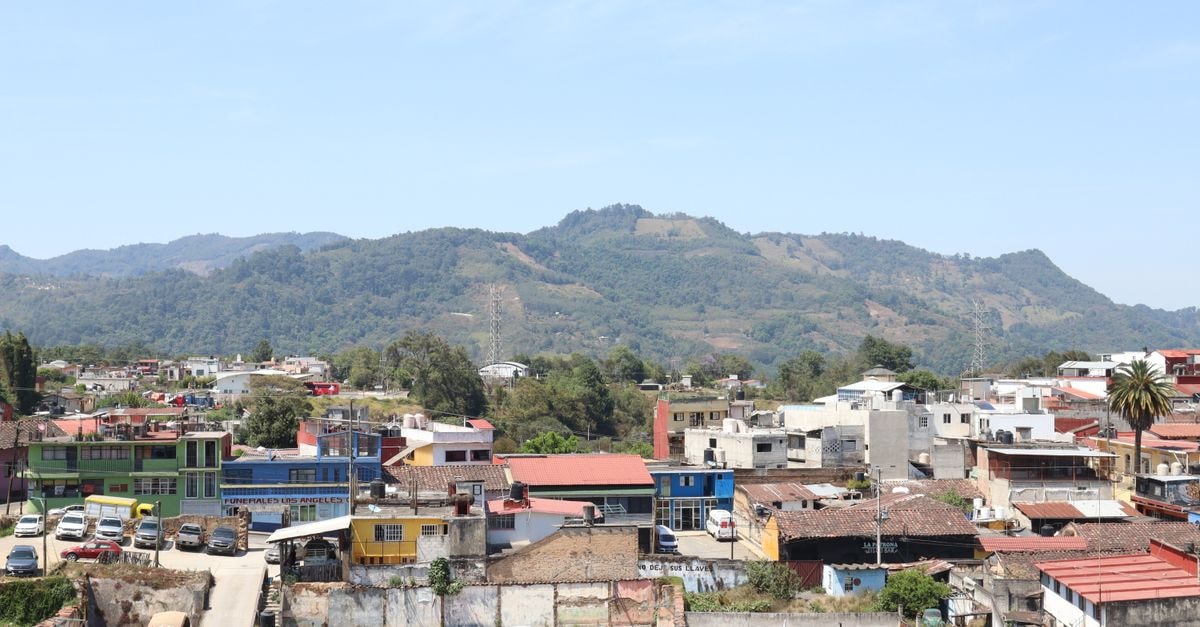
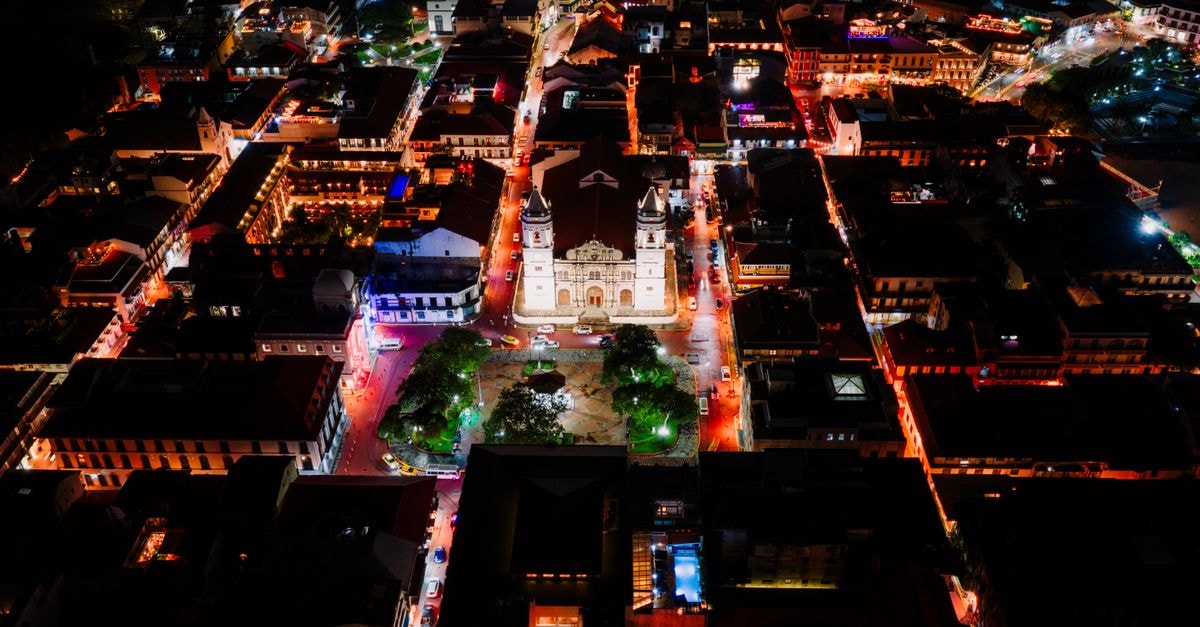
Naucalpan de Juárez sits on the western fringe of a large metropolitan area, and that location shapes almost every decision a visitor makes here. It carries a suburban feel, but it is still very much part of the surrounding metro region, with a steady flow of commuters shaping its streets, its markets, and its rhythm. For travelers who like the energy of the nearby capital but want a slightly slower place to sleep, eat, and wander, Naucalpan offers a comfortable middle ground. You get the convenience of being close to the capital without the constant density of the center, and you can still plan separate outings into the larger metropolitan region when you want a change of pace.
What makes Naucalpan feel like its own place rather than just another suburb is the mix of modern design, civic landmarks, and everyday local life. Sculptural landmarks, shopping plazas, traditional markets, and family-style restaurants all coexist within a relatively compact geography. The neighborhoods have their own personalities, and getting between them is straightforward once you understand the basics of how the city is laid out.
Weather and seasonal context
Naucalpan's elevation and its position on the central Mexican plateau give it a climate that travelers often describe as mild and pleasant. Temperatures tend to sit in a comfortable range through much of the year, and the altitude means the air can feel a little thinner than what visitors from coastal areas might expect. Because of its location, the city is part of a larger metro area, so general climate descriptions for the surrounding region usually apply here as well. Local climate pages describe Naucalpan as a place with a generally temperate feel that rewards light layers rather than heavy coats.
Rain tends to fall in concentrated bursts rather than as long gray stretches, so even in the wetter parts of the year, the city usually opens up to clear skies within hours. That pattern means a flexible plan works better than a rigid one, especially if your itinerary includes outdoor sculpture parks or market visits. A light jacket or sweater for the evenings is a sensible carry regardless of the time of year, and comfortable walking shoes make a real difference when you are moving between plazas, markets, and museums.
Because climate conditions shift from year to year and even week to week, treat any general sense of the weather as a starting point rather than a fixed forecast. Local forecasts closer to your travel dates will give you the most reliable read on what to pack and how to plan your days.
Getting around
Naucalpan's geography makes car-based transport and short metro-style hops the two most common ways to move. The city sits right against the edge of the capital, so commuters stream in and out every day, and the road and transit networks are built around that reality. Within Naucalpan itself, most points of interest are reachable by a combination of local buses, taxis, and rideshare options, and the trip into the central part of the capital is typically straightforward.
One of the most useful orientation points is Ciudad Satélite, often described as culturally dynamic and as the home of Naucalli Park. This neighborhood is a natural anchor for first-time visitors because it brings together several things travelers tend to want in one place: the iconic Torres de Satélite sculptural landmarks, green space at the park, and shopping options at Plaza Satélite. Staying in or near Ciudad Satélite makes it easy to start your day with a walk through the park, see the modernist towers, and then head out from there.
If you prefer a more traditional starting point, the historic center around Plaza de los Mártires is a rewarding walk. Around the plaza you will find the Palacio Municipal and the San Bartolo church, which together give a quick sense of the city's civic and architectural heritage. From there, it is a short step to the Mercado Municipal Benito Juárez, which is described as open daily from 8 am to 6 pm and is a good place to browse local produce and street food. Treating the historic center as a half-day walk and then moving on to Ciudad Satélite in the afternoon is a comfortable way to get a feel for both sides of the city.
Because Naucalpan is part of a much larger metro area, rideshare apps and taxis tend to be the easiest options for visitors who do not want to think too hard about routes. Having data on your phone and a general sense of the main roads will make most trips smooth.
Attractions and planning
Naucalpan rewards visitors who like a mix of design, green space, and everyday city life. The Torres de Satélite sculptures are a defining visual landmark of the area and a natural photo stop, especially in the soft afternoon light. Naucalli Park, where the towers sit, offers room to stroll, sit, and watch the city move around you, and it pairs well with a slow morning or a relaxed late afternoon.
For shoppers and casual wanderers, Plaza Satélite provides a familiar large-mall experience with a wide range of stores and food options. It is a useful fallback if the weather turns or if you want a comfortable indoor break between outdoor stops.
Accommodation options in Naucalpan skew toward practical, mid-range business hotels rather than boutique stays. One example that appears in hotel listings is the Courtyard by Marriott Mexico City Toreo Naucalpan in Naucalpan de Juárez, which lists amenities like a fitness center, bar, and free Wi-Fi. That kind of property is a useful reference point for the type of stay you can expect in the area: comfortable, well-equipped, and convenient for both local exploring and trips into the central capital.
Food and local context
Naucalpan's food scene reflects its position at the meeting point of traditional Mexican staples and the tastes that commuters bring back from the capital. The local cuisine is described as a blend of traditional staples with influences carried in by a steady flow of commuters from the capital region, which means menus tend to feel both rooted and familiar at the same time. Expect classic dishes to sit alongside variations shaped by capital-city dining culture.
The Mercado Municipal Benito Juárez is a natural place to start exploring local food. Because it is described as open daily from 8 am to 6 pm, it works equally well for a breakfast stop or an early afternoon snack-and-shop break. Markets like this are a good way to sample regional flavors in a casual setting, and they offer a more grounded sense of daily life than a restaurant reservation would.
It is also worth remembering that the wider Mexican culture you encounter in Naucalpan is notably family-oriented. Mexico is widely described as an extremely child-friendly culture, where children go to adult restaurants, stay up late at family events, and are included rather than sidelined. For visitors, that usually translates into a relaxed, welcoming atmosphere in restaurants and public spaces, and it means that traveling as a family tends to feel natural rather than exceptional.
A practical note: menus and prices in Naucalpan can shift, so confirm hours, reservation policies, and payment methods directly with each spot before you go.
A final verification note
Travel conditions in and around Naucalpan can change, and the details in this guide are meant to give you a grounded starting point rather than a fixed plan. Opening hours, transport options, hotel availability, and prices can all shift between the time of writing and the time of your visit. Before you travel, check current information through official channels, your hotel, and up-to-date local sources so that your itinerary reflects what the city actually looks like when you arrive. With that bit of preparation, Naucalpan offers a quietly rewarding base for exploring both its own neighborhoods and the wider surrounding region.
Share this article
TOOLS FOR THIS PLAN
Make the Naucalpan plan measurable
Choose a tool only when it answers the next question in your trip. Your values stay in the browser, and each tool offers a route back to this planning context.