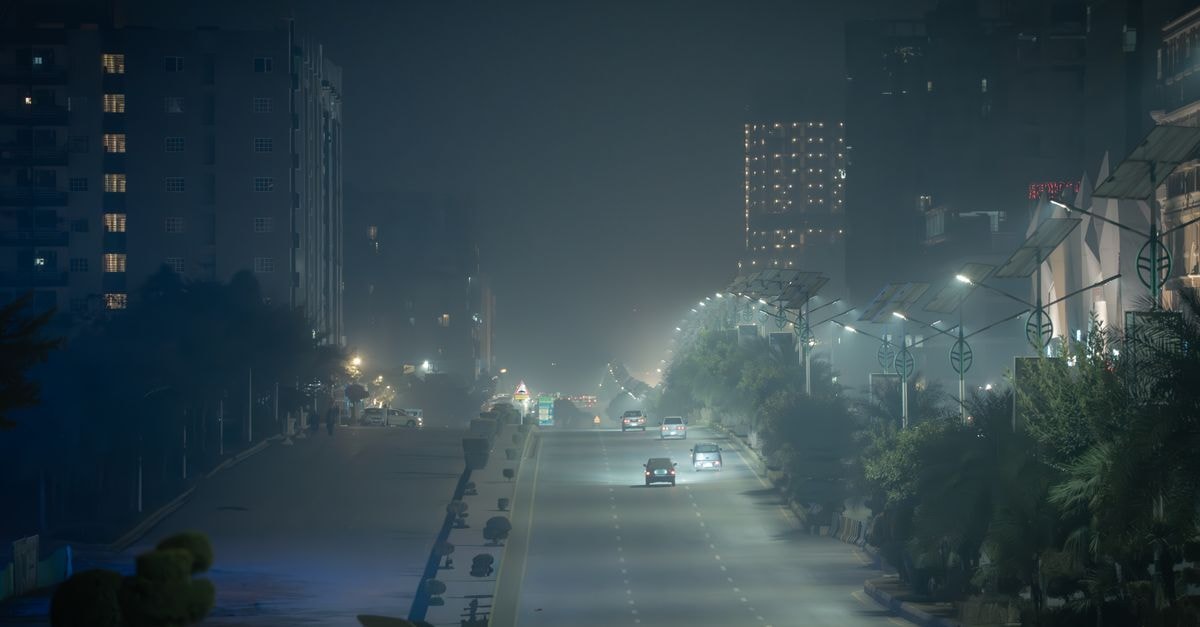
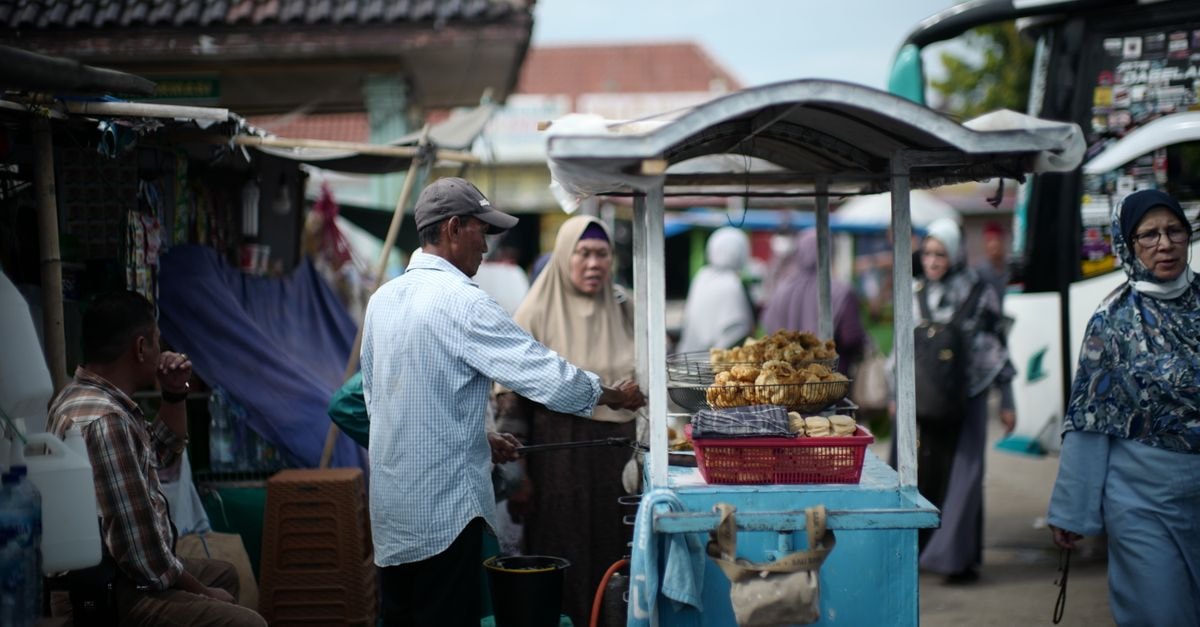
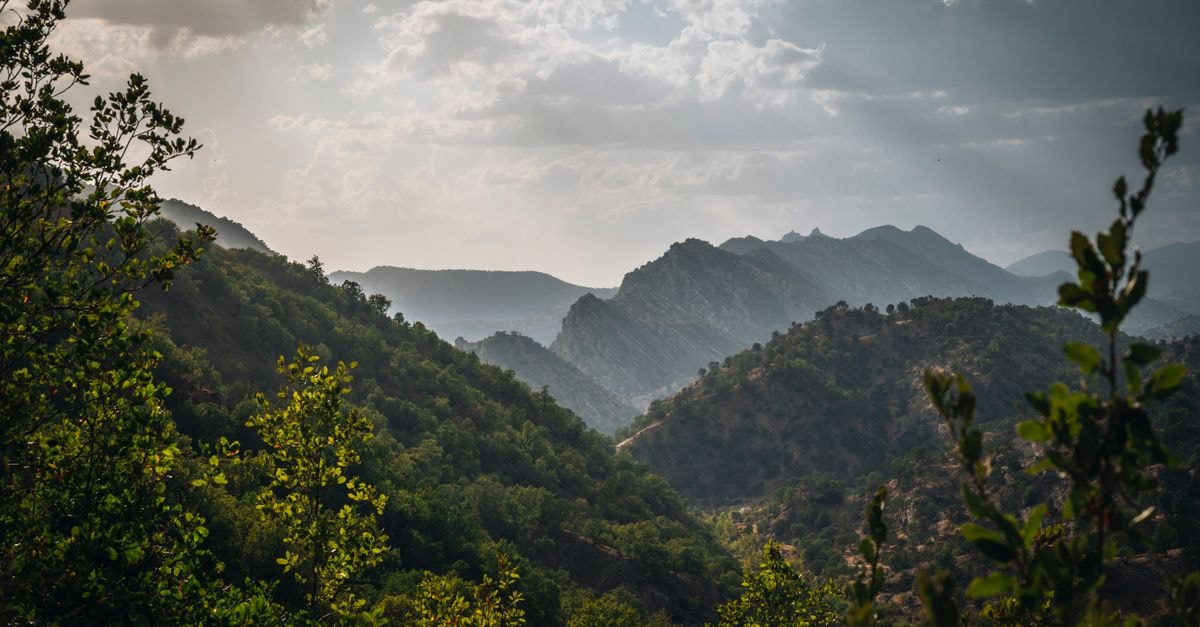
There's a particular kind of quiet magic to cities that sit at the center of a working landscape, and Nawabshah is exactly that. Spread across the plains of northern Sindh, this is a city that breathes with its cotton fields, its railway rhythms, and the slow, generous pace of everyday life. Visitors who arrive looking for grand monuments often discover something different and, for the right traveler, more memorable: a slice of unfiltered Pakistani heartland.

Weather and seasonal context
Nawabshah lies in a region where the climate can feel intense, and that reality shapes daily life. The surrounding plains are vast and open, with endless cotton fields stretching beyond the city — a working agricultural landscape that contributes meaningfully to the wider country. If you prefer gentler conditions, consider pacing excursions earlier in the day, when the air tends to feel softer and the light over the fields is at its most golden.
Because the city sits outside the main tourist corridors, it helps to keep expectations practical rather than scripted. Layers of light clothing for warmth, sun protection for the long bright stretches, and a willingness to slow down to match the local tempo can make a real difference. The reward for that patience is a sense of place that feels grounded rather than curated — the kind of view you only get when a city is still very much its own.
Getting around and getting in
Nawabshah is served by its own railway station, with connections reaching almost all major Pakistani cities and towns. That rail link makes it a genuinely accessible stop for travelers moving through Sindh by train, and it's often the most atmospheric way to arrive — watching the flat agricultural land roll past the window as you pull into the city.
Once you're here, the appeal is less about a packed sightseeing list and more about absorbing everyday urban culture. Religious architecture and the wider traditions of the surrounding Shaheed Benazirabad district are part of what gives the city its texture. Nearby historical sites and museums are limited, so visitors drawn to those experiences may want to reconsider how much time they center on Nawabshah specifically and instead treat it as a window into living Sindh rather than a heritage-ticking stop.
Festival observances in Nawabshah generally follow the wider calendar of Sindh and Pakistan, which means visitors may encounter local celebrations tied to those broader rhythms. It's worth asking locally about anything happening during your visit — the small, community-led moments are often the most memorable part of a stay here.
Food and local context
The food scene is where Nawabshah quietly shines. The signature dish most associated with Sindh, and one travelers are often encouraged not to leave without trying, is Sindhi Biryani — a fragrant rice preparation with chicken or mutton and potatoes, distinguished from other biryani traditions by its own blend of spices. It is the kind of dish that rewards unhurried eating, ideally eaten where it's freshly prepared rather than rushed.
Expect rich, flavorful dishes overall, often built around local ingredients and the kind of slow cooking that turns simple components into something deeply satisfying. The scent of clay-oven cooking drifting through the city at sundown is part of the experience here — the landscape that surrounds Nawabshah feeds the country, and that agricultural richness shows up on the plate.
Within wider Pakistani food culture, you'll also find beloved meat-based traditions such as Chicken Karahi, a vibrant, wok-style preparation that reflects the bold flavors common across the country. Visitors may encounter this and other familiar dishes during their time in Nawabshah, as part of the broader culinary landscape that travelers to Sindh tend to encounter. What makes Pakistan's food traditions distinctive from those of its neighbors isn't just the dishes themselves but the warmth with which they're shared.
Choosing what fits your trip
Nawabshah suits travelers who are happy to trade a packed itinerary for cultural texture: slow train journeys, agricultural scenery, and conversations over plates of Sindhi Biryani rather than a queue of monuments. It may feel under-resourced for visitors whose priority is dense sightseeing, given the limited nearby historical sites and museums, and that tradeoff is worth weighing before committing travel days. If your curiosity leans toward everyday Pakistan, working landscapes, and the rhythm of a Sindhi city off the main tourist trail, this is the kind of place that quietly rewards the visit.
A small but important reminder before you go: practical travel details — from transport schedules to local services — can change, so it's worth checking current conditions through official channels before departure. Factual travel information evolves, and a quick verification step helps ensure your plans match what's actually on the ground when you arrive.
Share this article
TOOLS FOR THIS PLAN
Make the Nawabshah plan measurable
Choose a tool only when it answers the next question in your trip. Your values stay in the browser, and each tool offers a route back to this planning context.