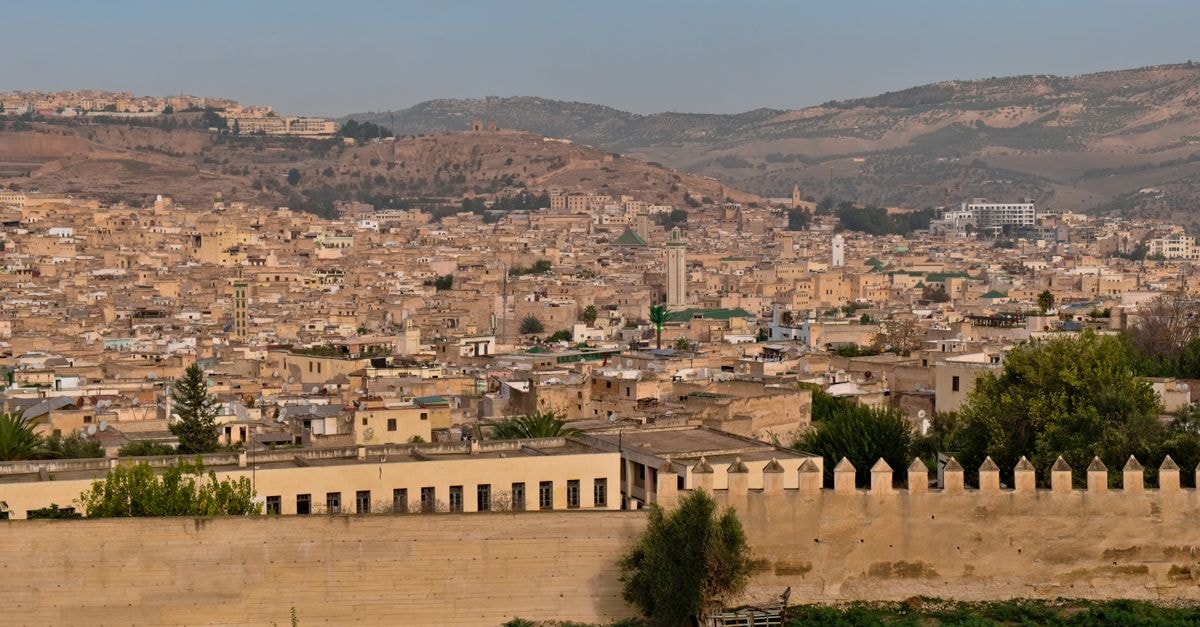
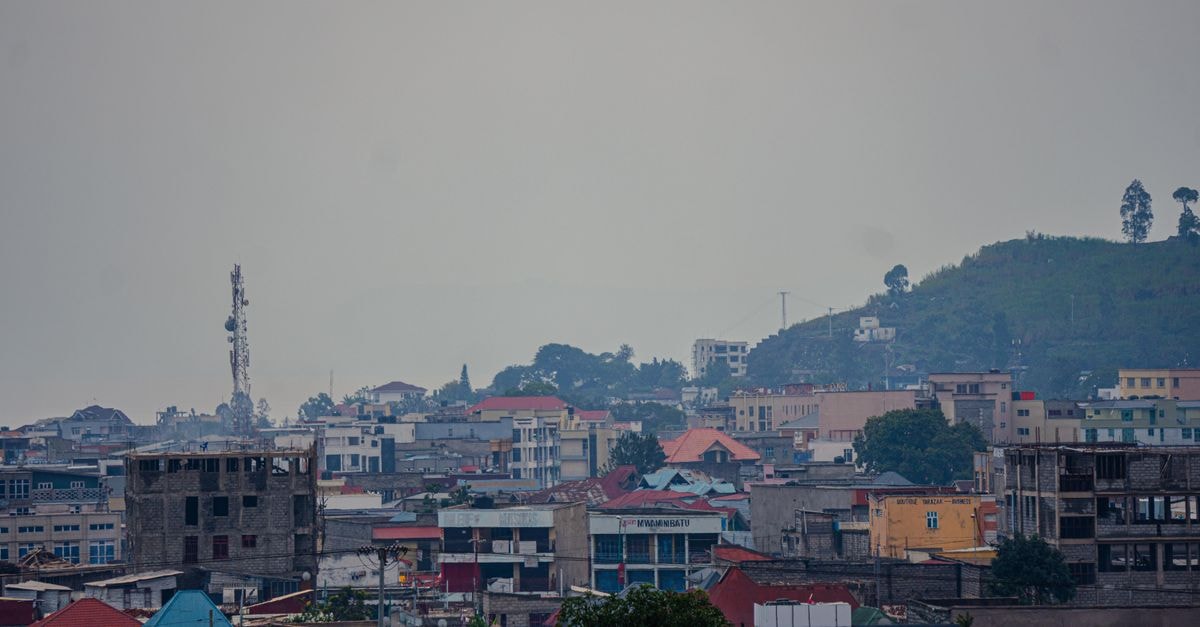
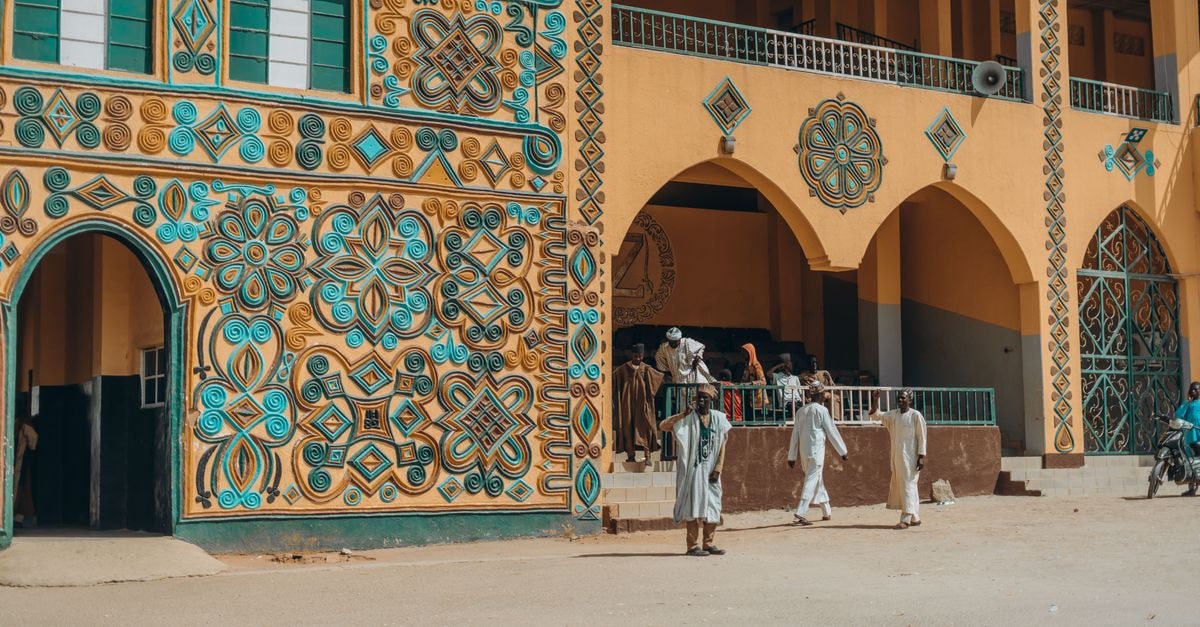
Néma sits deep in the Hodh Ech Chargi region of eastern Mauritania, where wide Saharan horizons meet the slow rhythm of a long-trading town. Travelers who arrive here are usually passing through a place that has connected West Africa to North Africa and the Mediterranean for centuries, rather than ticking off a checklist of polished sights. The experience feels closer to a soft landing in the desert than a stop on a conventional tourist circuit, and a little patience goes a long way.

The town is also a useful base for thinking about movement across this part of the Sahel. Roads thread outward toward Mali and toward older settlements nearby, and the everyday flow of people, livestock trucks, and shared vehicles gives the town a working, lived-in atmosphere. With that in mind, the practical questions of how to move, what to look for, and what to eat tend to shape a visit far more than any fixed schedule.
Getting around and onward travel
Néma's position close to the Malian border shapes how travelers move through and beyond it. There is a constant flow of traffic heading south to Mali via Adel Bagrou, east toward Bassikounou and the Malian town of Léré, and north toward the ancient town of Oualata, pronounced Walata. That steady circulation of vehicles is what binds the town to the wider regional road network and explains why even a short stay can quickly reveal the area's geography.
For visitors, this traffic pattern matters because it means transport tends to be shared and informal rather than timetabled. Travelers who prefer a quieter pace, or who like to watch a town wake up before committing to a journey, may appreciate building some buffer into the day around departure times. Anyone heading further afield can treat these routes as the main menu: south toward Adel Bagrou and the Malian frontier, east toward Bassikounou and onward to Léré, or north toward Walata. Each direction carries its own rhythm, and choosing one is more about curiosity about what lies at the other end than about speed.
Attractions and planning
Local tourism sources point visitors toward a shortlist framed as the top 10 attractions to visit in Néma and around the town. The framing is modest and useful: rather than promising a polished museum experience or a famous landmark, it sets expectations for a town where sights are scattered and best approached with an open plan. Travelers who enjoy exploring a place at their own pace and returning to favorite corners may find that style fits well here, and the same source simply introduces the town and its surroundings as the scope of the list.
Food and local context
Néma's culinary scene is described as a delightful fusion of African and Arab influences, a blend that reflects the town's long role as a meeting point along trans-Saharan routes. That history is more than background color: it explains why the kitchen here feels layered rather than uniform, and why travelers can expect meals that draw on both Saharan staples and West African flavors. The same tradition of exchange that once moved salt, gold, and cloth through the region also shaped what ended up on the plate.
Visitors curious about traditional Mauritanian food in Néma are pointed toward local options, and discovering specific kitchens or stalls is treated as part of being on the ground. Eating here tends to be a sociable experience, shaped by whoever is hosting or cooking, and it rewards curiosity more than a fixed list of must-try dishes. Travelers who enjoy tasting what is put in front of them and asking about ingredients may find this approach especially rewarding.
A place shaped by trans-Saharan history
Néma is one of the oldest settlements in eastern Mauritania, and it served as a key stop on the trans-Saharan trade routes that connected West Africa to North Africa and the Mediterranean. That history lingers in the atmosphere even if there are no glossy interpretive panels. The town grew because caravans needed water, rest, and a place to exchange goods, and the continuity of that role is still visible in the steady traffic that moves through today.
For travelers, this background reframes the visit. The town is not a museum of itself, but it carries a sense of depth that rewards slow attention. Sitting with a cup of tea, watching vehicles come and go, or walking a little way out from the center toward quieter edges can feel like a small act of historical awareness, even without a guidebook in hand. A reader who enjoys places where the past is felt rather than narrated may find Néma quietly absorbing.
Choosing what fits the trip
A few honest tradeoffs can help shape expectations. Néma rewards travelers who are comfortable with informal transport, flexible timing, and a slower pace, rather than those looking for a dense list of ticketed attractions or polished infrastructure. The food culture is rich in flavor and tradition, and visitors curious about local options for traditional Mauritanian food may want to ask on the ground rather than rely on a fixed list. Visitors who enjoy layered histories, regional crossroads, and the kind of conversation that happens over shared meals may find the town especially memorable, while those who prefer highly structured days or easy access to a wide tourism scene may want to treat Néma as a brief, atmospheric stop rather than a primary destination.
A note before you go
Practical details such as road conditions, transport availability, and local services can change, and the kind of welcome travelers receive often depends on current circumstances. It is wise to check official and up-to-date channels, including local authorities and recognized travel advisories, before finalizing plans, and to remain flexible once on the ground. Treat any general descriptions here as a starting frame for understanding Néma, and let current local information guide the finer decisions of timing, route, and stay.
Prices, opening hours, schedules, reservation rules, and local conditions can change; verify them through official channels before departure.
Share this article
TOOLS FOR THIS PLAN
Make the Néma plan measurable
Choose a tool only when it answers the next question in your trip. Your values stay in the browser, and each tool offers a route back to this planning context.