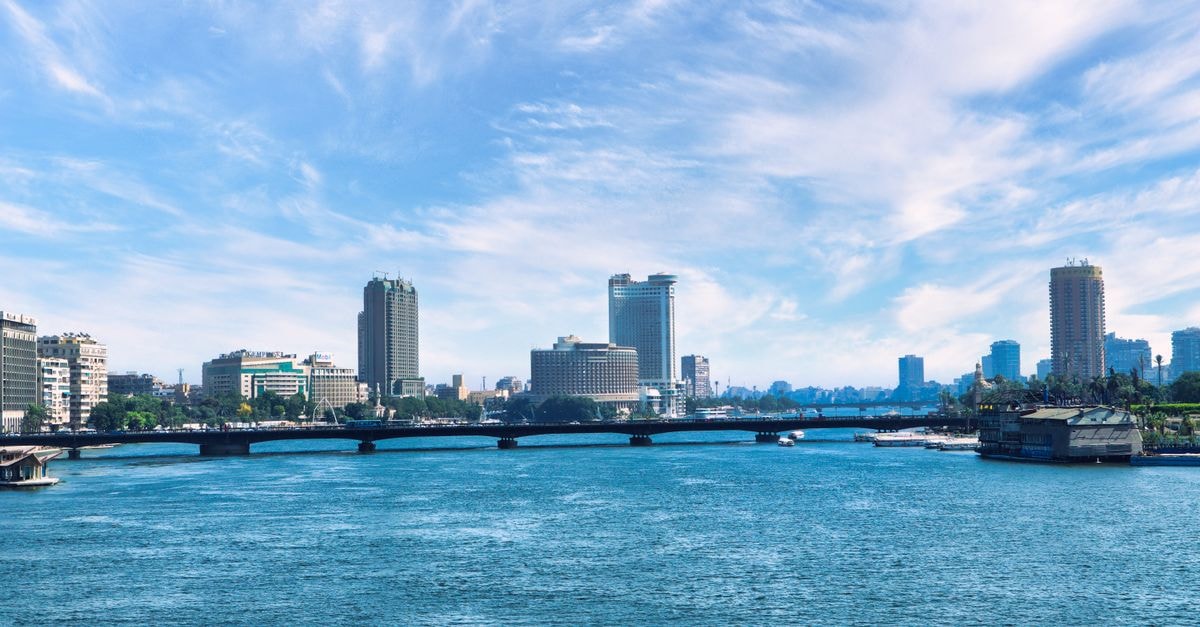
A planned pocket at the eastern edge of Cairo

What that means on the ground is a calmer, more residential setting. Gated communities, landscaped compounds, and large shopping centers define much of the streetscape, and the pace tends to be quieter than the bustle of central Cairo. Travelers who use New Cairo as a base often do so for the space, the modern infrastructure, and the relatively easy connections to the rest of the metropolis, while still being within reach of the ancient wonders that draw visitors to Egypt in the first place.
Think of New Cairo not as a substitute for old Cairo, but as a contemporary counterpoint: a place to rest, reset, and ease into the wider experience of the country.
Weather and seasonal context
Egypt's climate shapes how a day in New Cairo actually feels. Because the district sits on the eastern edge of the capital, its open streets, new construction, and green buffers can let warm air move through more freely than the tight alleys of the historic center, but the underlying seasonality is the same as greater Cairo.
The widely recommended window for outdoor sightseeing and al fresco dining runs from October through April. Those months bring the more temperate autumn and winter conditions that make walking between compounds, lingering at outdoor cafés, and exploring on foot more comfortable. Outside that window, midday heat can feel intense, and many visitors naturally pace the day differently, saving heavy activity for the cooler morning and evening hours.
On safety and day-to-day comfort, New Cairo's modern districts are generally considered secure. Gated communities and enclosed malls are the norm, and standard city awareness is sufficient. As in any large city, basic caution with belongings and awareness of traffic patterns is sensible, but the planned layout and controlled access of most residential and retail zones tend to make everyday movement straightforward.
For travelers whose main itinerary is the ancient sites, museums, and historic neighborhoods further west, New Cairo works especially well as a cooler, quieter home base during the pleasant half of the year. For those visiting during the warmer months, it can also serve as a comfortable launchpad, with the option of retreating into air-conditioned spaces during the hottest part of the day.
Food and the wider Egyptian table
New Cairo's dining scene is largely shaped by its character as a modern, residential hub. International restaurants, café chains, and hotel dining are well represented, sitting alongside everyday Egyptian eateries. Within that mix, the broader food culture of the country quietly informs what is on the table and how meals are shared.
Egypt's wider culinary identity is rooted in a handful of staples that travel well across regions: slow-cooked stews, legumes, rice, flatbread, and fresh produce shaped by the Nile Valley. These dishes turn up in everyday meals and in more festive spreads alike. Alongside the food itself, there is a cultural expectation of generosity at the table, where extra portions, refilled plates, and second helpings are a sign of warmth rather than formality.
For travelers spending time in New Cairo, the practical version of all this is simple. Use the district's restaurants and cafés for variety and convenience, but treat any chance to share a meal with Egyptian hosts or to step into a more traditional setting as part of the experience, not an aside. The food is the entry point; the conversation around it is the reward.
A practical rhythm for your stay
New Cairo rewards a slower, more residential style of visiting. Rather than rushing between monuments, many travelers find that the district works best as a base: a calm, modern place to sleep, eat, and reset between heavier days of sightseeing elsewhere in the capital.
A few framing thoughts can help shape that rhythm:
- Lean into the planned-city layout. Wide roads, gated compounds, and modern malls make getting around feel orderly, especially compared with denser parts of the city. - Pair quiet time in New Cairo with active days further west. The district's calm is a natural counterweight to the intensity of historic Cairo. - Match your schedule to the season. If you are visiting in the cooler half of the year, longer outdoor days are realistic; if you are visiting in the warmer months, plan to slow down at midday and save energy for evenings. - Use New Cairo's hotels and serviced apartments as a comfortable staging ground. The district was designed in part to ease the pressure on the older core, so treating it as a base is exactly the kind of visit it was built for.
You will not find ancient monuments within the district itself. What you will find is space, modern infrastructure, and a gentler daily rhythm that complements the bigger, busier experiences a Cairo trip inevitably includes.
A note before you go
Travel conditions on the ground can shift. Prices, opening hours, transit details, and safety guidance evolve, so it is always worth checking official channels and current advisories close to your departure. Treat this guide as a starting frame for New Cairo rather than a final checklist, and let the city surprise you once you are there.
*Rates, schedules, and on-the-ground details mentioned in travel writing are intended as reference only. Confirm the latest figures and any entry requirements through official sources before you travel.*
Share this article
TOOLS FOR THIS PLAN
Make the New Cairo plan measurable
Choose a tool only when it answers the next question in your trip. Your values stay in the browser, and each tool offers a route back to this planning context.