A first impression of Nicosia

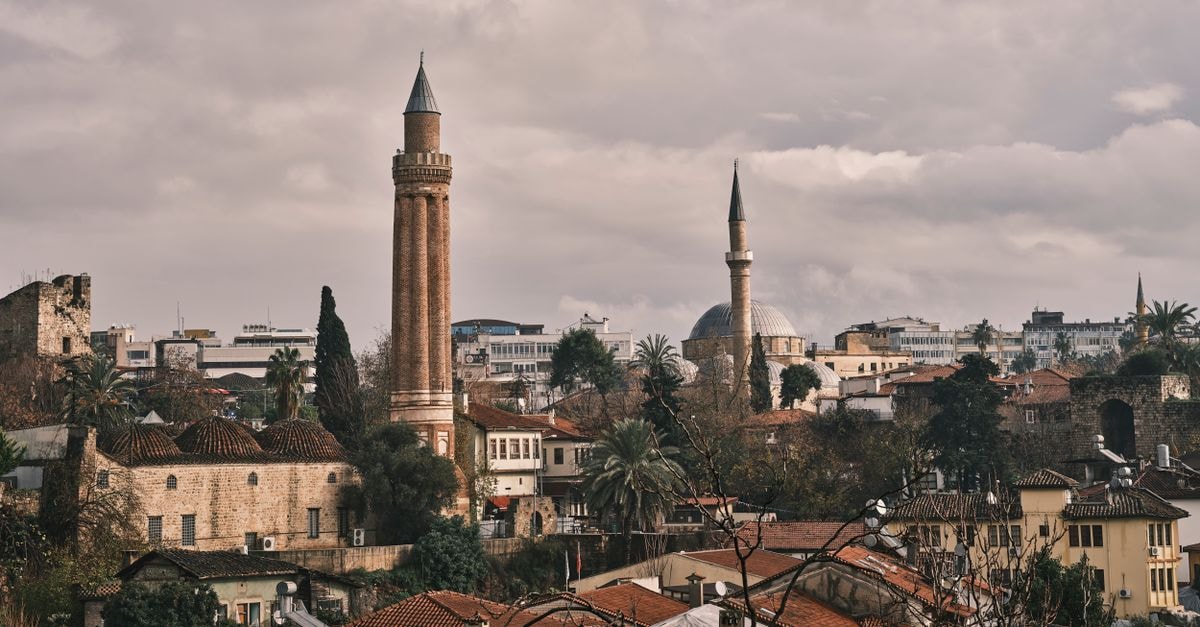
There's a moment, somewhere inside the old walled city, when Nicosia stops being an idea on a map and starts feeling like a place. Ottoman-era stone sits a few steps from a modern gallery, and the city's two halves — Greek Cypriot and Turkish Cypriot — lean into each other across one of the last divided capitals in Europe. The feel is layered rather than loud. You walk slowly, you pause for coffee more often than you plan, and the city reveals itself in small, confident gestures. Modern amenities sit comfortably next to centuries of history, which is part of what makes a visit here feel both easy and quietly significant.
This guide leans into that mix: how to move through the city with a sense of rhythm, where to anchor yourself in its museums, and how to approach the food scene as part of the cultural story rather than a checklist.
Weather and seasonal context
Nicosia's climate tends to reward slow, late-afternoon wandering rather than midday sprints. Inland and away from the coast, the city sits in a basin where summers are hot and dry, while shoulder months usually bring milder days and cooler evenings. Travelers who prefer comfortable daytime walking often favor that milder shoulder stretch, when you can stroll the walls in the morning, take a long lunch, and still have energy for an evening in the old town. If you prefer to avoid the hottest, driest stretch altogether, consider shaping your days around early starts and shaded breaks rather than trying to cover the whole city in one afternoon. Rain is uncommon in midsummer, which is part of why that period can feel dry rather than green; travelers who want the city to feel lush and the café terraces to feel soft underfoot may prefer a different window. Whatever you choose, packing layers is wise: even mild days can shift into chilly evenings once the sun drops behind the walls.
Getting around
Nicosia's character changes as you cross between its two halves, and the way you move through it should follow that rhythm. Within each side, the historic core is genuinely walkable — the lanes inside the Venetian walls are compact, and many of the small museums, cafés, and viewpoints cluster close enough together that you can take them at an unhurried pace. Crossing between the two sides of the city is its own small ritual and is best approached with patience rather than treated like an ordinary errand; it's a border experience, not a turnstile, so leave time, keep your documents handy, and treat the walk as part of the day rather than a hurdle to clear.
Public transport exists on each side of the city, and the systems differ enough that understanding the local setup before you set out makes the day calmer. Seasonal changes can affect how comfortable and frequent that transport feels, so it is worth checking current local guidance in advance — both for timetables and for the small practical details (where to buy a card, which route suits your starting point) that make a first day feel easy rather than improvised.
Attractions and planning
Nicosia doesn't shout for your attention, which is one of its charms. The city blends past and present into a single urban experience, so the question isn't what to see but how to weave the layers together. Two museums in particular tend to anchor most thoughtful itineraries.
The Cyprus Museum (Archaeological) is the largest museum in Cyprus, and it functions almost like a foundational chapter: if you want context for the island's long history before you walk among the ruins and medieval architecture, this is where to begin. Give yourself time. The collection rewards the kind of slow looking that Nicosia itself encourages.
The Leventis Municipal Museum, run in association with the Nicosia Municipality, offers a different lens — more local, more narrative, and a useful counterweight to the grand sweep of the archaeological collection. Together, the two museums complement each other well: one tells the island's deeper story, the other tells the city's.
For a traveler who enjoys arranging a day around a single anchoring visit, consider starting at the Cyprus Museum to set the historical frame, then stepping into the Leventis Municipal Museum to bring that frame down to street level. The two are different in scale and mood, but together they give a more complete picture than either does alone.
Food and local context
Eating in Nicosia feels less like ticking off signature dishes and more like eavesdropping on the city's cultural conversation. The Nicosia Tourism Board's Taste Nicosia campaign celebrates that love of food by pulling local flavors and multicultural influences into one frame, which is a useful way to think about a day of eating here: not a list of must-eats, but a layered tasting of the city itself.
Halloumi cheese carries a wider Cyprus identity and is something visitors will encounter in many forms across menus, from a simple grilled slab to a meze staple alongside salads and breads. Treating it as part of a broader meze — small plates, shared, unhurried — captures the local style better than ordering it as a single dish. Markets, tavernas, and small cafés each tell a slightly different version of the same story, and the joy is in letting your day drift from one to the next.
If you prefer a structured approach to your eating day, consider this: a long, late breakfast in a local café, a light lunch built around a few small plates, and an evening meze that you can stretch over a couple of hours. Travelers who like to cook or who simply enjoy watching a city through its produce stalls may want to leave room for an unhurried browse at one of the markets; the rhythm of buying, weighing, and chatting is part of the flavor here.
Choosing what fits your trip
Nicosia rewards a particular kind of traveler: curious, patient, and comfortable with the idea that the city doesn't unfold all at once. If you enjoy layering — museums in the morning, a slow meze at lunch, an evening walk along the walls — you'll find plenty to work with. If your ideal trip leans toward beaches, long coastal days, or active nightlife, you may want to balance a Nicosia stay with time elsewhere on the island rather than expecting the capital to carry that part of the journey. The divided old town is also worth entering with respect and a flexible mindset; it's a living border, not a photo set, and treating the crossing as part of the experience rather than a logistical task tends to make the day feel more rewarding.
A note before you go
Factual travel conditions — transport timetables, museum opening hours, border crossing rules, and seasonal weather patterns — can change. Treat the guidance above as a starting frame rather than a fixed schedule, and check official local sources closer to your trip so that small details like opening days, transport updates, and any documentation requirements are current before you set out.
Prices, opening hours, schedules, reservation rules, and local conditions can change; verify them through official channels before departure.
Share this article
TOOLS FOR THIS PLAN
Make the Nicosia plan measurable
Choose a tool only when it answers the next question in your trip. Your values stay in the browser, and each tool offers a route back to this planning context.