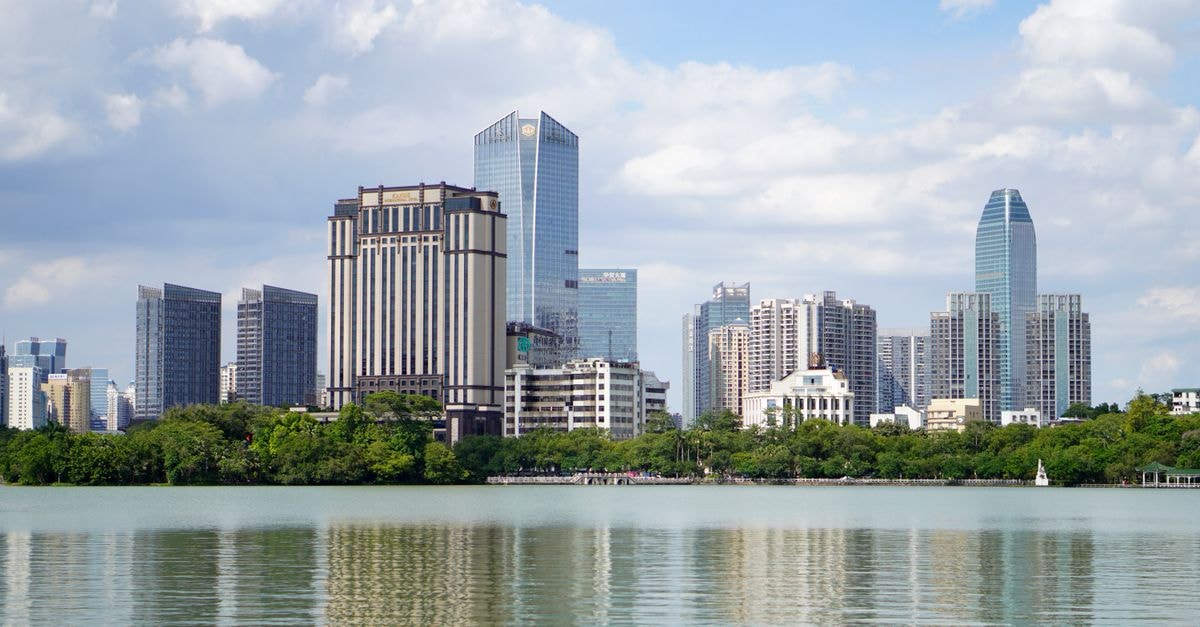
A first look at Ningbo

Ningbo sits on China's eastern coast, where the Yong River meets the East China Sea, and its identity has been shaped by water for centuries. Today it reads as a layered city: a working port, a regional transport hub, and a place where sleek modern districts sit a short walk from older lanes and low-rise neighbourhoods. There is a quiet confidence to Ningbo; it is not scrambling to entertain visitors, and that makes it especially rewarding for travellers who like to settle in, wander, and notice details rather than sprint through a checklist.
For a visitor, the city offers a few clear anchors: an urban museum that frames the local story, an extensive city-transport network, and a regional cuisine known for its seafood. The notes below lean into those anchors, organised around the questions most travellers actually ask on the ground.
Weather and seasonal context
Ningbo sits in a humid subtropical zone, and the climate is something visitors feel as much as see. Temperatures around 31 °C are typical during the warm half of the year, close to the long-term historical average for the city, which means the air can feel heavy and the pace of the day tends to slow naturally. Lightweight clothing, water bottles and indoor breaks line up well with the rhythm of the place.
Because the heat and humidity can be draining, it helps to plan outdoor sights for the morning or late afternoon, and to keep the middle of the day for shaded streets, museums or meals. Evenings are often the most comfortable moment to be out walking, and that is when local outdoor life tends to pick up.
Getting around
For long-distance arrivals, Ningbo Railway Station is conveniently placed inside the city. It sits in the downtown area, in the southwest of Yuehu Park, which makes it easy to walk into central neighbourhoods or to pick up a taxi or bus without a long detour. If you are arriving from another city in the Yangtze Delta region, the rail station is often the most comfortable way to land.
Within the core area, taxis and ride-hailing services are widely available, and they are a sensible option after a long day on foot, especially in the warmer months when the idea of a short, air-conditioned ride is suddenly very appealing.
Attractions and planning
Ningbo is not a city of one headline sight, which is part of its charm. The rewarding approach is to pick two or three anchors and give each one room to breathe.
The Ningbo Museum is a natural first stop. It is framed as a fascinating journey into the city's rich history, and visitors often go in expecting a routine regional museum and come out moved by the quality of the displays. The educational value and artistic presentation of the collections have made it a destination in their own right, and it gives you a vocabulary for the rest of the trip: the port trade, the migrant merchants, the overseas connections, and the coastal culture that still flavours the local table. Plan for at least a couple of hours here, more if you like reading exhibit panels in detail.
From the museum, the older neighbourhoods around the Drum Tower and the City God Temple, both of which serve as Line 2 stops, are easy to fold into the same day. The streets are a mix of restored lanes and everyday shops, and they make Ningbo feel less like a museum city and more like a living one. Walking from one historic label to the next, you naturally see why this area has been a centre of urban life for so long.
For the rest of your stay, the trick is to keep the plan simple. A morning anchor, a slow lunch, a pause in the afternoon, and an evening wander tends to work better than a tightly packed timetable, especially if the weather is warm and humid.
Food and local context
Ningbo's regional cuisine is one of the strong arguments for visiting. The city belongs to the broader Zhejiang cooking tradition, and a defining characteristic of the local table is its reliance on seafood, pulled from the waters just offshore. Among the ten famous dishes of the region, seafood preparations take pride of place, and Bingtang Jiayu — Steamed Turtle in Crystal Sugar Soup — is regarded as the leading example of Ningbo's celebrated dishes. You do not need to plan a tasting tour; simply ordering one or two local specialities at a sit-down meal will give you a sense of the regional flavour profile, which tends to balance freshness, sweetness and umami in a way that is distinctive along the coast.
In practical terms, the easiest way to approach the food scene is to eat slowly and ask questions. Menus in central neighbourhoods often blur the line between snack shops and restaurants, and small family-run places can quietly serve some of the best meals of the trip. As with any coastal city, the freshest dishes tend to be the simplest ones: a clear soup, a steamed fish, a seasonal vegetable stir-fried with garlic.
A few practical notes
Ningbo is a city that rewards a lighter schedule. Two or three full days is enough to see the main anchors at a comfortable pace, and the central layout makes it easy to revisit favourite spots for a second look. The transport network is dense enough that you rarely need to plan a journey far in advance; the metro, buses and taxis in combination will cover most of what you want to do.
Budgeting is straightforward. Because the city is well connected by metro and bus, day-to-day transport costs stay modest, and meals at local spots are generally affordable. There is no need to splurge to enjoy Ningbo's food culture or its main sights, though a nicer seafood dinner on your final evening is a fitting way to close the trip.
Above all, treat Ningbo as a city to slow down in. The heat, the harbour light, the fish on the plate and the quiet weight of history in the museum are all things that reveal themselves when you give them space.
Verification note
Travel conditions in any city can change without warning: opening hours shift, transport routes get adjusted, and seasonal weather varies. Before you travel, it is always worth checking the latest official transport information, museum opening times, and weather forecasts so your plan matches the city on the day you arrive. The details in this guide are intended as a calm, grounded starting point rather than a final itinerary.
Prices, opening hours, schedules, reservation rules, and local conditions can change; verify them through official channels before departure.
Share this article
TOOLS FOR THIS PLAN
Make the Ningbo plan measurable
Choose a tool only when it answers the next question in your trip. Your values stay in the browser, and each tool offers a route back to this planning context.