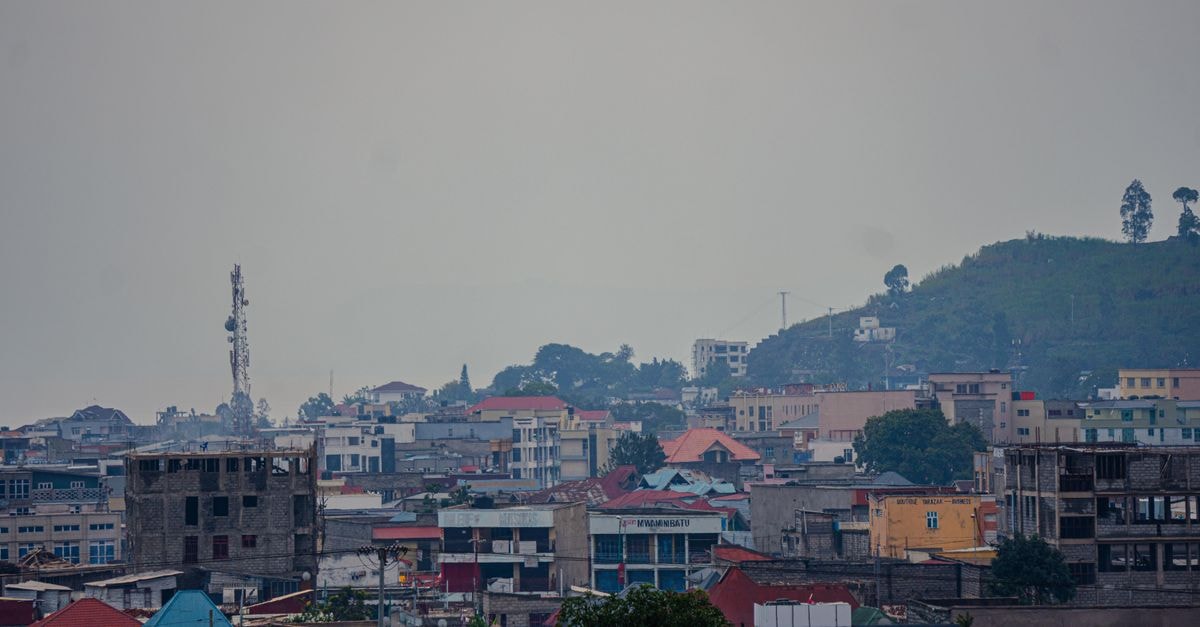
Nouadhibou sits on Mauritania's Atlantic edge as the country's second-largest city, a place where the hum of an industrial port meets the age-old rhythms of a vibrant fishing culture. Travelers often arrive expecting little and leave remembering how the city's two defining worlds coexist in plain view: the working harbor that keeps Mauritania's economy moving, and the everyday coastal life that unfolds around it.

This guide focuses on what is genuinely supported about Nouadhibou: its identity as a major coastal hub, its role as both a fishing center and an industrial port, and the small, atmospheric details that give the town its texture. It is written for visitors who want a calm, observant kind of city break rather than a checklist of monuments.
Weather and seasonal context
There is no single dramatic moment that defines Nouadhibou's climate, and that's part of its character. As one of Mauritania's most vibrant coastal hubs, the city wears its weather lightly, shaped more by the sea and the trade winds than by dramatic seasonal shifts.
Visitors tend to settle into a slower pace here. Mornings unfold gently along the waterfront, and the city feels best when approached as a place to watch rather than rush through. Because coastal Atlantic conditions can feel shifting from hour to hour, planning lighter midday activity and saving longer walks for cooler parts of the day is a sensible approach if you prefer to keep energy steady.
The social rhythm is part of the climate story. Locals gather over tiny glasses of mint-sweet tea, and conversations stretch unhurried — men in indigo robes arguing football over those same small glasses is a familiar, easy scene. At night, the harbor takes on its own atmosphere: orange lights bounce off black water while conveyor belts groan the town to sleep, a working-port lullaby that doubles as the city's signature evening mood.
Because specific temperatures and conditions for any given date are not established here, treat Nouadhibou as an outdoor-friendly coastal stop where sea breezes, layered clothing, and a flexible daily rhythm tend to serve travelers best.
Getting around
Nouadhibou's identity as both a major fishing centre and a large industrial port shapes how the place moves. The town is laid-back, and getting oriented rarely feels overwhelming once you understand that the harbor is the center of gravity.
The fishing culture is impossible to separate from the transport picture. The port area, where boats unload their catch and where the conveyor systems work through the night, is also where a lot of the city's visible life happens. Travelers who enjoy watching working harbors — the choreography of cranes, the early-morning auctions, the fishermen mending nets in lulls between trips — will find this corner of Nouadhibou especially rewarding. Consider giving yourself at least one slow morning near the water rather than treating the port as a backdrop to pass through.
The industrial side of town is equally part of the cityscape. The conveyor belts and orange-lit night shifts are not hidden behind walls; they sit close to where people live, eat tea, and watch football. That proximity is one of Nouadhibou's most distinctive qualities, and walking between the two worlds is often the most honest way to take the city's measure.
Attractions and planning
Nouadhibou does not market itself as a city of grand monuments, and travelers who arrive looking for one headline sight tend to leave disappointed. What the city offers instead is texture: a coastal hub where everyday scenes — tea, football debates, fishing boats returning with the catch — are themselves the attraction.
Planning a visit is mostly about giving yourself permission to slow down. A few days is generally enough to absorb the working-port atmosphere, the fishing culture, and the small social rituals that repeat through the week. Travelers who prefer a dense itinerary of museums and ticketed sights may find Nouadhibou quieter than expected, and may want to adjust their expectations accordingly rather than chase attractions that the city does not foreground.
The waterfront and harbor-adjacent neighborhoods are where most of the city's visible life unfolds. Mornings bring activity around the boats and the markets that service them, while evenings settle into the slower tea-and-conversation pace that defines so much of Mauritanian social life. Travelers interested in harbor views, working-port photography, or simply watching daily routines repeat will find plenty to observe.
Because detailed attraction listings, ticket prices, and opening hours change frequently and are not part of the supported evidence here, it's worth treating any specific venue details as something to verify closer to your visit through current local listings or accommodation staff.
Choosing what fits your trip
The most useful way to think about Nouadhibou is by deciding what kind of attention you want to give it. If you enjoy working harbors, fishing culture, and the kind of social observation that comes from a slow tea ritual, the city will likely suit you well. Travelers who want dense sightseeing days, a busy nightlife, or a long list of ticketed attractions may find the pace quieter than they prefer, and may want to balance Nouadhibou with another stop rather than stretching it thin.
A practical approach is to plan lighter activity in the heat of the day and reserve the waterfront and harbor edges for early morning and evening, when the city's rhythms are most visible and the coastal air is most comfortable. This kind of gentle structure tends to suit the laid-back character of the town.
A final verification note: conditions at any working port — from boat traffic to market hours — can shift with the season and the catch. Local guidance on the ground, whether from hosts, guides, or current travelers, is the most reliable way to confirm what is active during your visit. Factual travel details can change, so checking official or local channels before departure remains a sensible habit.
No specific daily budget figure is supported by the available evidence for Nouadhibou, and quoted prices for food, transport, or services have been intentionally omitted rather than estimated. Where costs matter to your planning, asking locally or consulting a current Mauritania-focused resource is the safest path forward.
Prices, opening hours, schedules, reservation rules, and local conditions can change; verify them through official channels before departure.
Share this article
TOOLS FOR THIS PLAN
Make the Nouadhibou plan measurable
Choose a tool only when it answers the next question in your trip. Your values stay in the browser, and each tool offers a route back to this planning context.