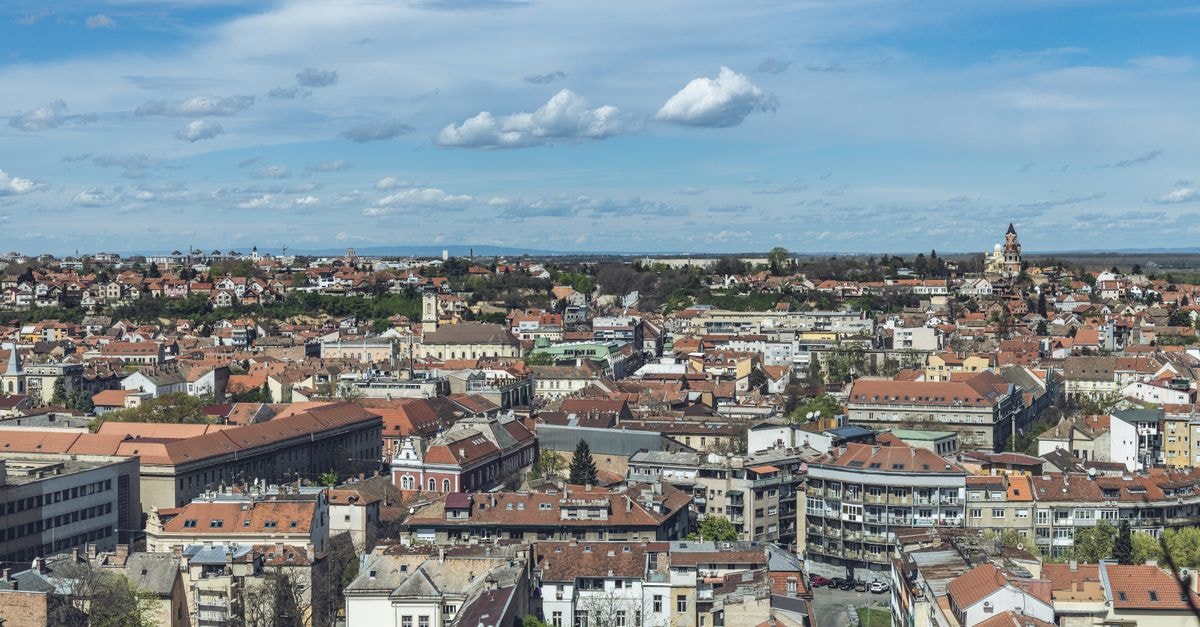
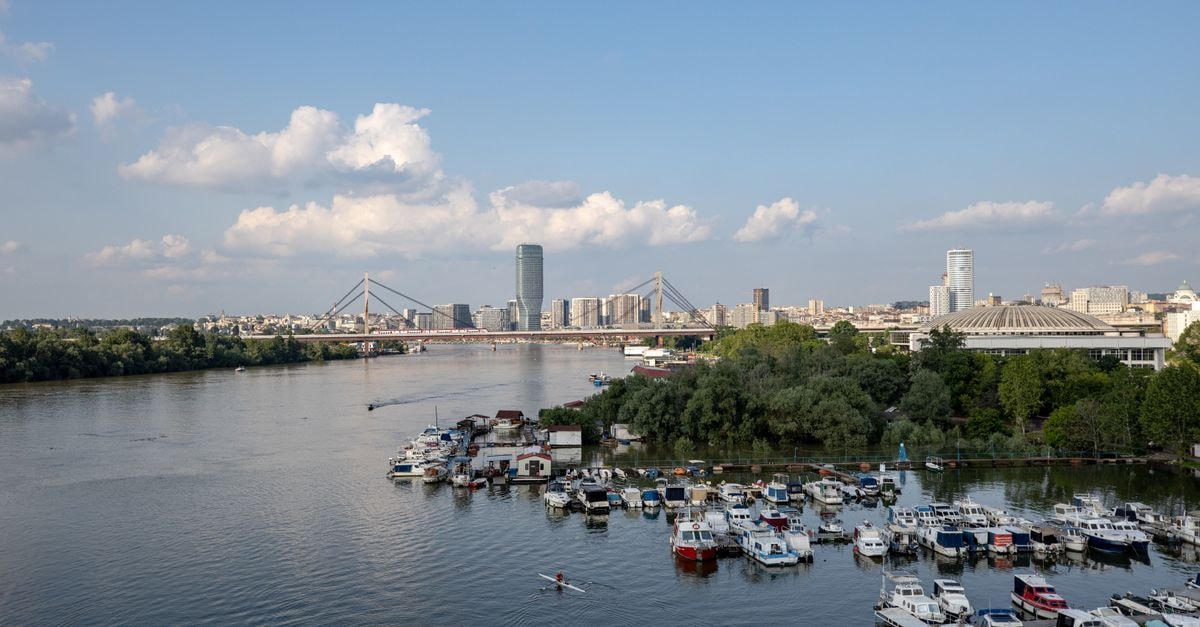
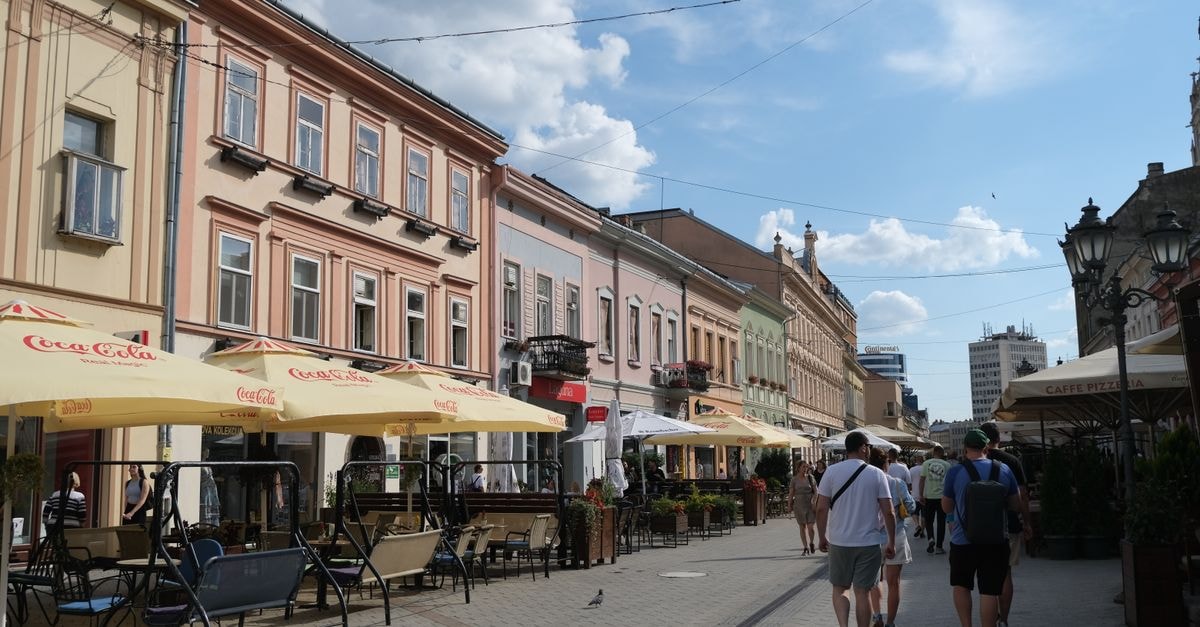
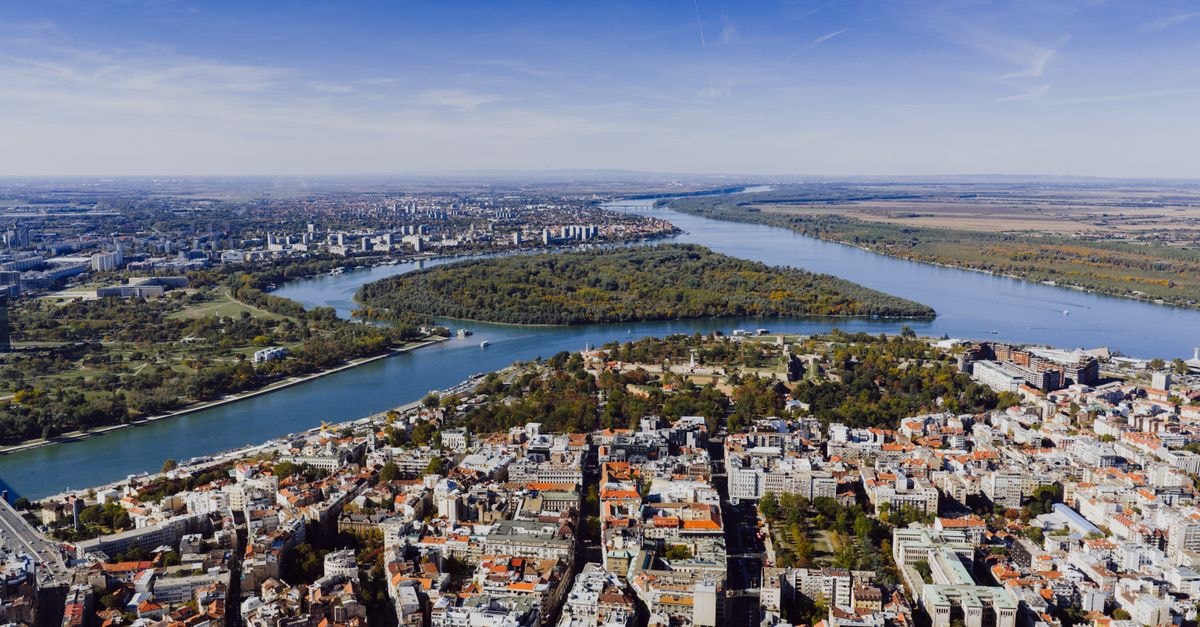
There's a particular mood to Novi Sad that takes a little time to settle into. Set along the Danube in the Vojvodina region of northern Serbia, the city carries the quiet confidence of a place shaped by many cultures over many centuries. Walking its streets, you sense an unhurried pace that rewards travelers who arrive with curiosity rather than a checklist. The river breeze, the generous squares, and the layered European architecture all suggest a city that has long been a meeting point of traditions, and today it welcomes visitors with the same openness.

This guide leans into that slower rhythm. Rather than rushing from landmark to landmark, it invites you to read the city a little more carefully — to notice how its heritage spaces connect with everyday life, how the Danube threads through local identity, and how a simple bus route can become part of the experience. The following sections focus on three grounded themes: weather and seasonal context, getting around, and attractions and planning.
Weather and seasonal context
Novi Sad's climate feels distinctly continental, with warm summers and crisp winters along the Danube. Rain doesn't tend to shut the city down; in fact, it can shift the texture of a visit in an interesting way. On overcast or showery days, the city's indoor cultural spaces and museums come into their own, offering a chance to lean into Novi Sad's heritage more deeply than a sunny afternoon might allow. Travelers who build in some flexibility — keeping a museum morning as a backup for a wet afternoon — often find that the rain reveals a side of the city they wouldn't otherwise see. Pacing your day around the weather, rather than fighting it, tends to suit the local temperament.
Getting around
Novi Sad's public transport is anchored by its city bus network, run by the JGSP Novi Sad system. For independent travelers, this is the most natural way to move between neighborhoods, riverfront areas, and cultural sites. The system rewards a little preparation: route maps are available at major bus stops and on the official JGSP Novi Sad website, and spending a few minutes familiarizing yourself with the lines before setting out can save a lot of wandering later.
If your itinerary involves several of the city's museums or quieter historical sites that sit a bit further from the center, it helps to plan your bus routes in advance. Grouping stops along the same line or corridor makes the day flow more smoothly. For longer stays or frequent riders, a non-personalized Novi Sad Bus Card is a practical option. It removes the friction of buying single tickets and is widely considered a sensible consideration for anyone planning to use the buses regularly. Beyond the bus network, taxis and car rental options are also available for travelers who prefer more flexibility, though the bus system covers most of what a visitor needs.
Attractions and planning
Novi Sad's identity is inseparable from the diversity that has shaped it. Under its various names across history — Novi Sad, Újvidék, Neusatz — the city has long been a space where many ethnicities and traditions intersected, and that layered cultural heritage remains visible in its architecture, institutions, and public life today. A visit here benefits from leaning into that context, reading the city as a place where different histories sit comfortably side by side.
One of the most recognizable landmarks is St Mary's Church, a Catholic Church whose enormous 72-metre bell tower dominates Liberty Square. It functions as both a visual anchor and a starting point for exploring the surrounding streets. Standing in the square and looking up, you get an immediate sense of the city's European character and its religious plurality.
For a change of pace, Danube Park offers a generous stretch of green space right in the city. The park is a favorite with travelers who enjoy exploring green spaces, and it provides a pleasant counterpoint to the architecture-heavy center. It's the kind of place that rewards a slow stroll — pausing on a bench, watching the light change, and letting the day unfold without urgency.
When planning your time, think in terms of texture rather than volume. Pair an indoor heritage visit with an outdoor moment in the park, and let the bus network carry you between neighborhoods at your own pace. Novi Sad doesn't ask for a packed schedule; it asks for attention.
A few practical notes before you go
Because this is an evergreen guide written without a specific travel window in mind, a few details are worth verifying closer to your trip. Bus routes, schedules, and ticket options evolve over time, so it's always wise to check the official JGSP Novi Sad website or information points at major bus stops for the latest maps and pricing. Museum opening hours, temporary exhibitions, and accessibility information are best confirmed directly with each venue before you visit. Weather patterns shift year to year, so a quick local forecast in the days before your arrival will help you decide which days to keep flexible.
Factual travel conditions can change, and official channels should always be checked before departure.
Share this article
TOOLS FOR THIS PLAN
Make the Novi Sad plan measurable
Choose a tool only when it answers the next question in your trip. Your values stay in the browser, and each tool offers a route back to this planning context.