A quiet capital in the Kyzylkum

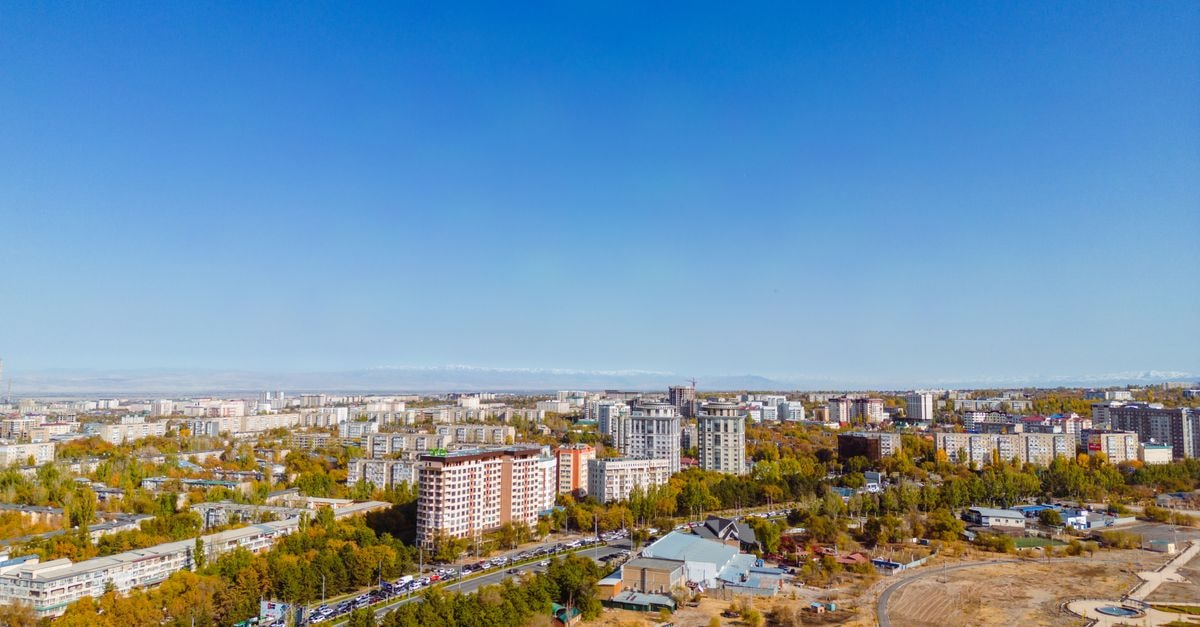
Nukus has the particular hush of a city that most travelers pass through on their way somewhere else. It sits in the heart of the Kyzylkum Desert, in the Republic of Karakalpakstan, an autonomous region in the western part of Uzbekistan, and that setting gives the whole place a distinctive edge-of-the-map atmosphere. Streets are wide, the light is bright, and the rhythm feels slower than in Uzbekistan's better-known Silk Road cities. For visitors who like to step outside the usual tourist circuit, that remoteness is part of the appeal.
You will often see Nukus described as a gateway to the Aral Sea, a label that hints at why many travelers end up here in the first place. The city itself, though, deserves more than a rushed stopover. It is the cultural capital of Karakalpakstan, and a growing number of visitors are discovering that its museums and surrounding desert landscapes reward a slower pace.
Climate and seasonal context
Because Nukus lies in the Kyzylkum, conditions are shaped by a continental desert climate. Days can feel sun-soaked and warm for long stretches, while evenings cool noticeably. Travelers used to milder Central Asian weather should pace themselves: midday wanderings under direct sun can be tiring, so consider shifting museum time to the hottest hours and saving any exposed walking for early morning or late afternoon. A loose layer for the evening, plus reliable sun protection, will generally serve you well across most of the year.
Because the city sits on flat desert terrain with little shade, hydration matters more here than in a green Central Asian capital. Carry water, and treat shaded courtyards and teahouses as part of the rhythm of the day rather than optional stops. Visitors familiar with other desert regions tend to settle in quickly; first-time desert travelers may want to keep day one light.
There is no need to chase a particular month: Nukus reads as a destination whose draw is its museum and its landscape rather than a single peak season. Travelers with flexible timing can simply match the trip to their own schedule and check current conditions closer to departure.
Getting there and moving around
Nukus is reached as part of broader Uzbekistan itineraries that connect the country's main cultural hubs. Two-day tours from Tashkent pair Nukus with Khiva, two of the most important cultural sites in Uzbekistan, which is a useful pattern to know about if you are building a route through the country. Independent travelers typically arrive overland or by domestic flight, then use taxis, arranged drivers, and short walking stretches to move between the center and the outlying sites. The city layout is straightforward once you get your bearings.
If you are planning a wider Uzbekistan trip, it helps to think of Nukus as the western anchor. Many visitors arrive having already seen Samarkand or Bukhara, or use Nukus as a stepping stone toward Khiva and the Silk Road sites further south. The airport and main road links are how most travelers connect to the rest of the country.
A cultural anchor: the Savitsky collection
The single biggest reason to linger in Nukus is the Savitsky State Art Museum, sometimes called the Karakalpakstan State Museum of Art. Among Uzbekistan destinations, it is ranked second only to a handful of others for its collection of Russian paintings and Russian avant-garde art, and it also holds a historical-ethnographical collection of the Karakalpak region. The story behind the museum is part of its appeal: Igor Savitsky arrived in the Autonomous Republic of Karakalpakstan in the 1950s, where he built a large collection of ethnographic materials about the peoples of Central Asia and assembled works by Soviet avant-garde artists who were banned by the state. Walking through the galleries feels less like ticking off a museum stop and more like stepping into a hidden chapter of twentieth-century art.
Allow more time than you expect. The ethnographic galleries, with textiles, jewelry, and everyday objects from Karakalpak life, are quietly absorbing, and the avant-garde rooms reward slow looking. Visitors with a specific interest in twentieth-century art history tend to be the ones who plan extra hours here, while travelers more drawn to landscapes may pair the museum with a shorter visit.
Karakalpakstan and regional context
Understanding a little of the region helps the city make sense. Karakalpakstan is the autonomous republic in the north-western part of Uzbekistan, and its capital, Nukus, functions as the main cultural, administrative, and transport hub. The republic's distinct identity, including its own language and traditions, is part of what gives the museum's ethnographic collection its depth.
For travelers from elsewhere in Uzbekistan, the wider country has a few customs worth knowing. Hospitality is taken seriously, and visitors may be offered tea, bread, or a meal in homes and small guesthouses. Removing shoes before entering a home or a mosque, and asking before photographing people, are simple habits that fit comfortably into a stay here. These small gestures are part of the wider Uzbekistan context you may encounter during your time in Nukus, rather than specific city etiquette.
Choosing what fits your trip
If your main interest is Soviet-era art and ethnographic collections, build the trip around a long, unrushed visit to the Savitsky State Art Museum and plan one full day in the city. Travelers more drawn to desert landscapes and the Aral Sea story will find Nukus a useful base, but should treat the city as a starting point rather than the destination itself. If you are connecting Uzbekistan's Silk Road cities, pairing Nukus with Khiva, as many two-day tours from Tashkent already do, lets you cross two distinct cultural sites in a single trip without backtracking. Travelers who dislike long transfers may prefer to fly in and out of Nukus directly rather than routing through Tashkent each time.
A note before you go
Factual travel conditions can change. Transportation schedules, museum opening arrangements, and on-the-ground logistics in Karakalpakstan evolve, so it is worth checking current details through your accommodation, a local tour operator, or official channels before you travel. Treat this guide as a starting frame for understanding what Nukus is about, and confirm the practical specifics closer to departure.
The city's quiet rhythm is also part of the experience. Nukus rewards visitors who arrive curious and unhurried, and who are open to a place where the desert, the museum, and the broader Karakalpak story meet.
Share this article
TOOLS FOR THIS PLAN
Make the Nukus plan measurable
Choose a tool only when it answers the next question in your trip. Your values stay in the browser, and each tool offers a route back to this planning context.