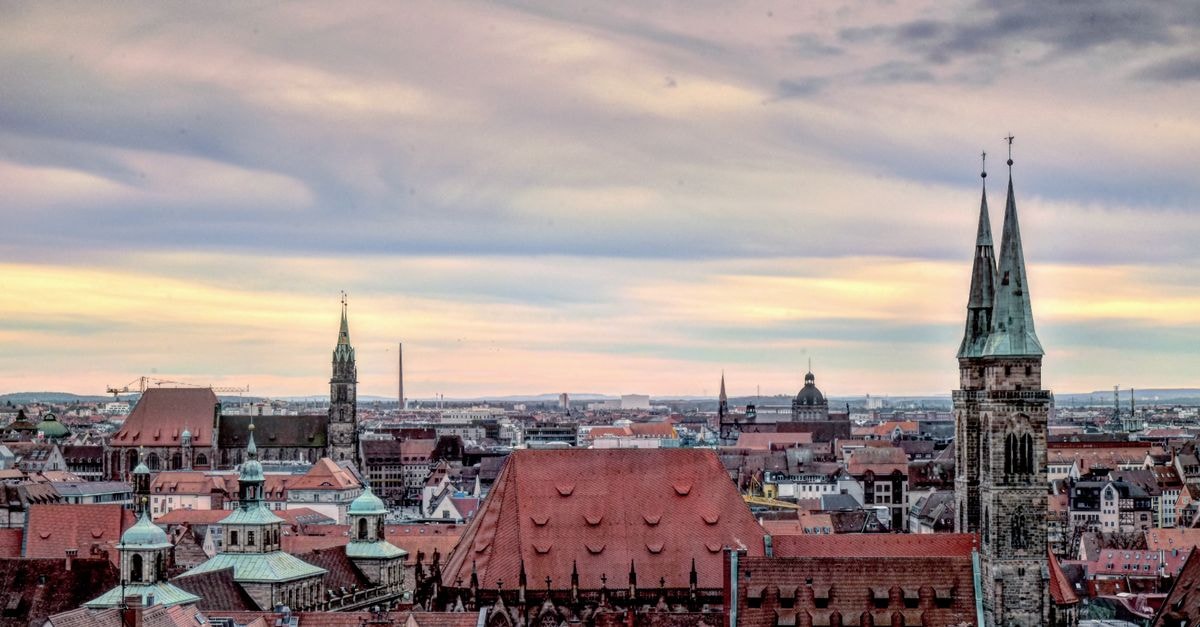
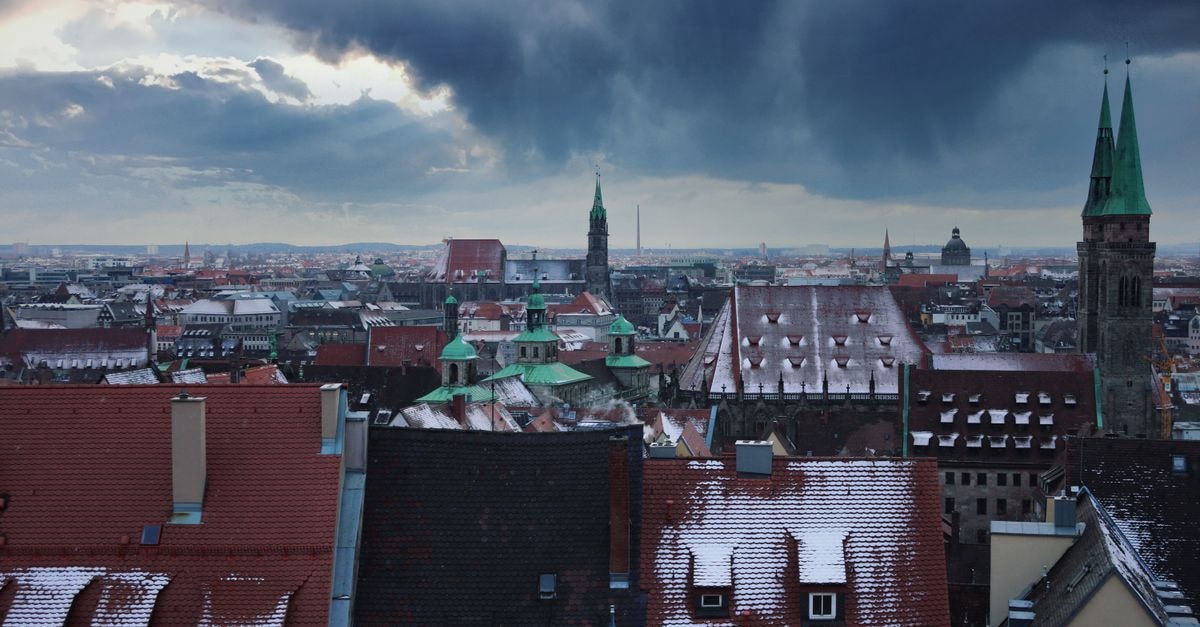
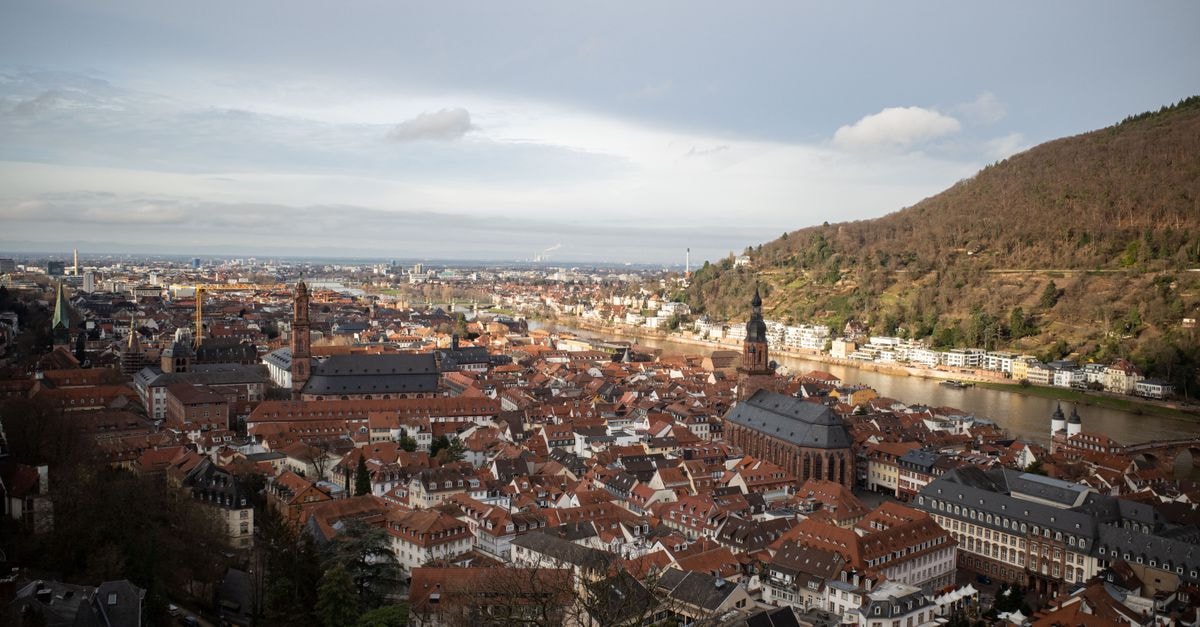
Nuremberg, the second-largest city in Bavaria, sits where medieval sandstone meets modern Franconian food culture. In July the city slips into a quieter shoulder-season rhythm: business travelers thin out after the trade-fair calendar closes, hotel rates soften from June's peak, and the imperial sandstone glows in long evenings along the Altstadt. This guide walks independent travelers through the practicalities of a July visit — what the weather actually does, how to use the transit network, where the food is worth ordering, and what to watch out for around the Hauptmarkt.

July Weather and What to Pack
July in Nuremberg runs warm without becoming extreme. Long-term averages put daytime highs around 24°C with overnight lows near 12–13°C, roughly eight hours of daily sunshine, around 71 mm of monthly rainfall spread over 14 days with some rain, and a high UV index. Humidity sits around 70%, so afternoons feel heavier than the thermometer suggests. Daylight runs to about 16 hours a day, and sunset slides from roughly 20:25 on 1 July back to 19:58 on 31 July — long, golden evenings for walking the castle ramparts or the Pegnitz riverbanks.
The most common July pattern is bright mornings, building cumulus through the afternoon, then short, intense thunderstorms that can dump 25 mm of rain in 20 minutes. Cobblestones around St. Sebaldus Church flood ankle-deep during these bursts, so a compact rain jacket is more useful than an umbrella. Evenings stay mild enough for outdoor dining well past 21:00.
Pack light layers, a waterproof jacket, sunscreen, comfortable shoes for cobblestones, and one warmer item for evenings inside the thick-walled churches and beer cellars where temperatures drop noticeably.
Getting Around: U-Bahn, S-Bahn and the Nürnberg Card
The Greater Nuremberg Transport Association (VGN) runs about 1,100 bus and rail services across the region, connecting the airport, Hauptbahnhof, exhibition centre, the Frankenstadion and the Altstadt. Within the city you'll mainly use the U-Bahn (U1, U2, U3), trams, city buses and the S-Bahn (S1, S2, S3). A single VGN tariff zone covers Nuremberg, Fürth and Stein. On weekend nights, NightLiner buses and regional night trains keep the network alive into the small hours.
The simplest setup for a July visit is the Nürnberg Card. Priced from €38, it runs for 48 hours and includes free admission to around 30 attractions — Imperial Castle, Albrecht Dürer House, Germanisches Nationalmuseum, DB Museum, Nuremberg Zoo, Memorium Nuremberg Trials, Bratwurst Museum and the City Museum in the Fembo-House, among others — plus unlimited public transport across Zone A (Nuremberg, Fürth, Stein). The card is digital: a voucher arrives by email and shows on your phone at ticket inspections. Children aged 5 and under travel free when accompanying a cardholder; ages 6–11 pay €12.
The VGN Fahrplan & Tickets app and NürnbergMOBIL app let you buy single tickets, day tickets and the Deutschlandticket (a nationwide monthly local-transport subscription).
Top Sights in July
July brings a quieter, more reflective feel to Nuremberg's biggest sights. Day-tripper crowds thin, and some museums extend evening hours so you can linger past the lunchtime heat.
**Imperial Castle (Kaiserburg).** Nuremberg's signature landmark crowns the sandstone ridge above the Altstadt and is included with the Nürnberg Card (€10 standalone). Walking up from the Hauptmarkt takes 10–15 minutes; the red-roof panorama over the old town is the city's defining view.
**Germanisches Nationalmuseum.** The largest cultural-history museum in the German-speaking world stays open until 20:00 through July, letting you tour 15th-century altarpieces and the Albrecht Dürer collection after the day-tripper rush. It's about a five-minute walk from there to the Handwerkerhof crafts yard, where smiths still forge iron in the medieval manner.
**Documentation Center Nazi Party Rally Grounds.** A sobering counterpoint to the medieval old town. The route crosses roughly 3 km of largely unshaded concrete; July sun pushes surface temperatures to 32°C and there's nowhere to buy water once you're past the Documentation Center entrance, so bring a bottle and sturdy shoes.
**Memorium Nuremberg Trials.** Courtroom 600 in the Palace of Justice is preserved as a memorial to the post-war trials and is covered by the Nürnberg Card.
**Pegnitz swimming and the Wöhrde meadow.** Locals wade into the Pegnitz behind the Hauptmarkt when afternoon temperatures push the water into the low 20s°C. It's informal and free — bring a towel rather than expecting facilities.
**Beer gardens.** Nuremberg's beer gardens stay open until 23:00 in July. The Kellerwald terraces above the castle catch the last light at around 21:30 while serving Franconian Kellerbier often brewed within a few kilometres of the city. Seating becomes competitive after 18:00 — locals claim tables by placing jackets at 16:00, so either join the ritual or arrive early.
What to Eat: Franconian Specialties
Nuremberg's food scene centres on a small number of deeply local, often protected items that are worth building your trip around.
**Nürnberger Rostbratwurst.** These finger-sized pork sausages have been made to the same recipe since 1313 and carry EU Protected Geographical Indication status — every authentic sausage must be produced within Nuremberg city limits. Each one is no longer than about 9 cm and is seasoned with marjoram, ginger, cardamom and lemon. Order them *drei im Weggla* (three in a bun with mustard) from a street vendor, or sit down for them served on pewter plates with sauerkraut or potato salad in a classic Bratwurstküche. *Saure Zipfel* — sausages slowly poached in a vinegar-onion-wine broth that turns them pale blue-grey — is a Franconian-only preparation worth seeking out. Historic kitchens to know by name include Bratwurstglöcklein, Bratwurst Röslein and the Historische Bratwurstküche "Zum Gulden".
**Schäufele.** Crispy roasted pork shoulder is the Franconian signature main, found across both traditional restaurants and modern kitchens.
**Carp.** Pan-fried carp from regional rivers is a Franconian staple in season.
**Lebkuchen (gingerbread).** Nuremberg's other protected speciality, more associated with the Christmas market but available year-round in bakeries.
**Local beer.** Franconia is one of Germany's densest brewing regions. Look for small, privately owned breweries pouring Kellerbier (cellar beer, often unfiltered) and Rotbier (red beer, a Nuremberg speciality with a smoky-malt character).
Hotels and July Booking Pressure
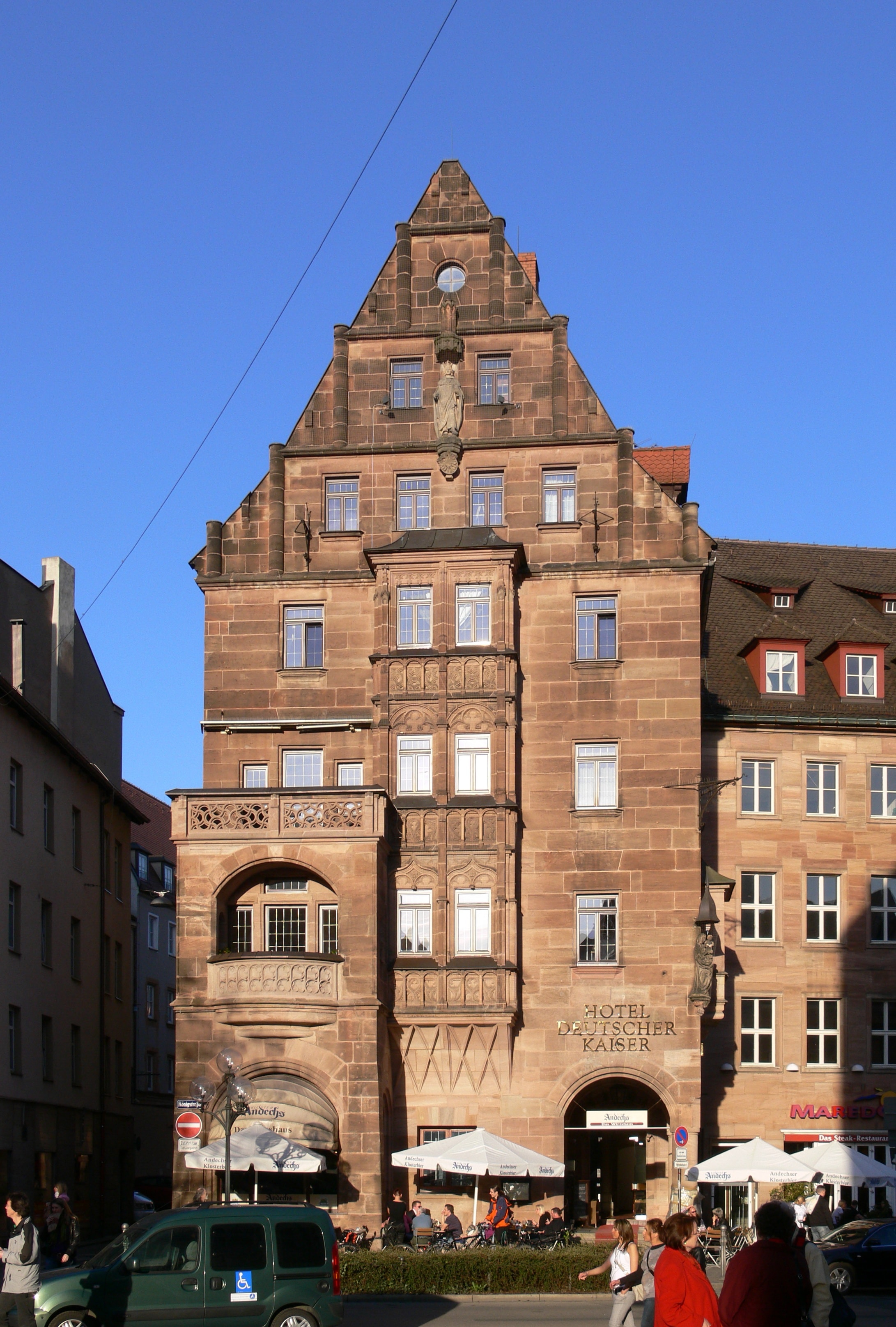
July is technically high season across Germany, but Nuremberg sits in a quieter pocket than Munich or Berlin. Hotel rates drop 25–30% from June's peak as corporate demand evaporates after the trade-fair calendar — the same Altstadt room overlooking the Schöner Brunnen that books solid in June often becomes available with three days' notice in July. Compare that with the Christkindlesmarkt window in late November and December, when central rooms regularly spike to €200–400 per night, and July looks generous.
Book a few weeks ahead for a castle-view or Altstadt room in mid-July, but last-minute availability is realistic if your dates are flexible. The official tourist office publishes annual hotel PDFs covering Nuremberg and surrounding Franconia.
Safety and Common Scams
Nuremberg is generally safe for tourists. Documented scam patterns cluster around the Hauptmarkt area, with one high-severity category — fraudulent short-term rental listings — that targets visitors mainly during the December Christmas market season. The relevant July concerns are more everyday:
- **Hauptmarkt pickpocket activity.** Pickpocket gangs operate around the Schöner Brunnen (Beautiful Fountain) and the Frauenkirche façade, particularly at the narrow bottlenecks from Königstraße and Karolinenstraße. - **Cash culture.** Germany still runs heavily on cash; many shops, restaurants and some hotels do not accept credit cards. Carry euros and coins. - **Solo and first-time travelers** are flagged as slightly higher-risk profiles for street-level scams; standard awareness (vest bags, separated cards, hotel safes) covers most situations.
Tap water is safe to drink throughout the country.
Tickets, Opening Hours and Day-of Planning
Three July patterns are worth knowing before you build your days:
1. **Extended evening hours.** Some museums stay open until 20:00 in July — Germanisches Nationalmuseum included. Build late afternoons around these and you'll dodge both the heat and the queues. 2. **Beer garden etiquette.** Tables are claimed by jacket, jacket-and-beer-towel, or small personal items. An empty-looking table with a jacket on the chair is occupied — wait or ask. Arriving before 17:00 is the easiest path to a bench. 3. **Rally Grounds logistics.** The Documentation Center sits south-east of the Altstadt. Plan a half-day, bring water and avoid the midday sun. Public-transport connections exist but a tram plus walk is the typical route.
The official Nürnberg Card savings calculator, using current standalone admission prices, lists the Imperial Castle at €10, the Albrecht Dürer House at €7.50, the Germanisches Nationalmuseum at €10, the DB Museum at €10, the City Museum in the Fembo-House at €7.50 and the New Museum at €9, with a two-day Zone A public-transport ticket at €21.20 — a sample of €75.20 of services for the €38 card.
Costs and Budgeting
Daily cost estimates (excluding accommodation): roughly €60–80 for budget travelers using hostels, bakery lunches and regional train deals; around €120–180 mid-range covering comfortable hotels and sit-down Franconian dinners; and €250–400+ for a luxury trip. A typical Franconian dinner — Schäufele or a sausage plate with a small Franconian beer — usually costs €18–30 per person in a traditional restaurant. The Nürnberg Card is the easiest single saving if you plan to visit two or three paid museums and use public transport in the same window.
Practicalities and Final Tips
- **Currency:** Euro (€). Card acceptance has improved but cash still rules in small shops, market stalls and many restaurants; exchange rates fluctuate, so check the live rate before exchanging money. - **Language:** German; English is widely understood in the Altstadt and at major sights. - **Connectivity:** Reliable mobile data throughout the city; the VGN apps work offline for journey planning once tickets are loaded. - **Day trips:** Bamberg, Rothenburg ob der Tauber and the Franconian Switzerland region are within 1–1.5 hours by regional rail and slot in easily if Nuremberg's compact old town feels small after two days.
Travel conditions, opening hours, transit timetables and prices change frequently; confirm details on the official Nuremberg tourist office site and the VGN website before you travel.
Prices, opening hours, schedules, reservation rules, and local conditions can change; verify them through official channels before departure.
Share this article
TOOLS FOR THIS PLAN
Make the Nuremberg plan measurable
Choose a tool only when it answers the next question in your trip. Your values stay in the browser, and each tool offers a route back to this planning context.