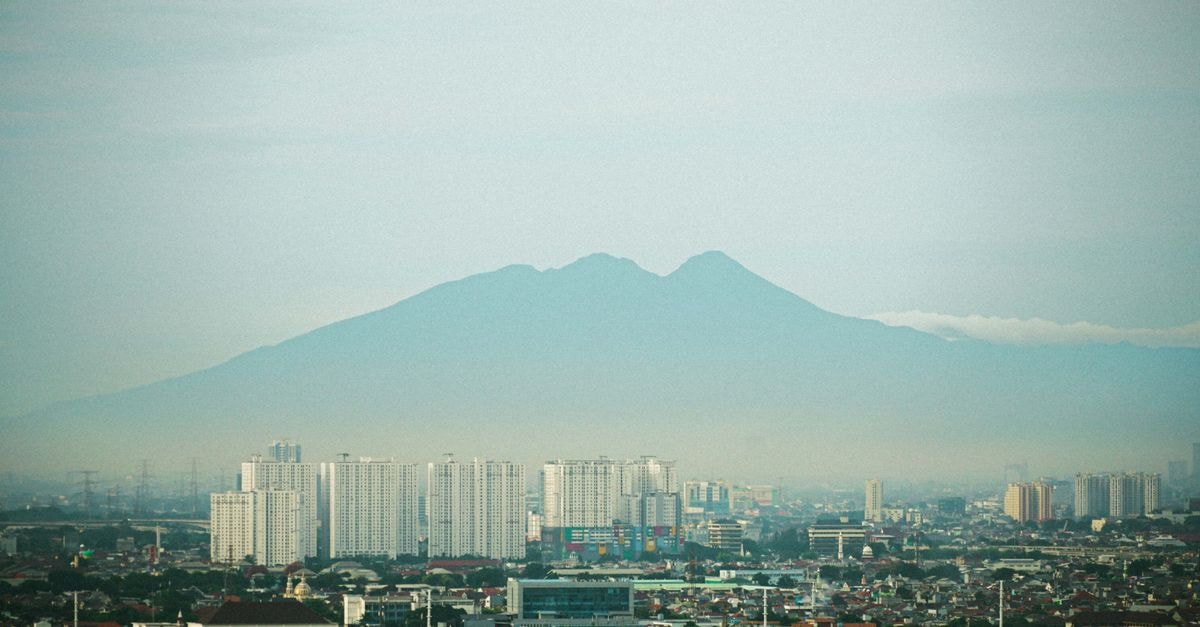
Setting the scene in southeastern Tibet

There is a particular kind of hush that settles over the valleys of southeastern Tibet, the kind that makes a first-time visitor slow their step. Nyingchi sits in this part of the Tibet Autonomous Region, a quieter counterpoint to the more heavily travelled pilgrimage routes elsewhere on the plateau. For travellers drawn to wide horizons, river-cut gorges and a calmer pace, the city offers a gentle introduction to high-altitude China without the bustle of larger Tibetan gateways.
Because Nyingchi is set apart from the region's busiest hubs, planning the basics well in advance tends to make the trip feel more relaxed on the ground. The guide below focuses on what is genuinely useful: how to arrive, how to think about scenic days in and around the city, and what visitors can expect from the wider food culture of China that surrounds them once they sit down to eat.
Getting around: arrival and the railway station
For many independent travellers, the journey into Nyingchi is part of the experience. The city's railway station is the main fixed point on the map, covering 14,960 square metres and laid out across 2 platforms with 6 railway tracks. That footprint gives a sense of scale at a glance: this is a modern regional station rather than a small rural halt, with enough capacity to handle scheduled long-distance services comfortably.
What this means practically is that arriving by rail is a straightforward option, with platforms and concourse space designed for steady passenger flow rather than for very large crowds. From the station, onward transport into the wider city area and out toward scenic stretches typically continues by road. Travellers used to navigating Chinese regional cities will find the station area familiar: signage in Chinese, a clear forecourt, and onward connections waiting just outside.
A few small habits help. Keep your ticket or booking confirmation handy for the exit checks, and allow a little extra time on the platform during boarding, since high-altitude services often move at a more deliberate pace. If you are continuing onward to Lhasa or planning a stopover that includes the famous overland scenic corridor, the railway station is also a useful orientation point before you head back out into the landscape.
Attractions and planning: the scenic Nyingchi–Lhasa corridor
The single most useful planning frame for sightseeing around Nyingchi is the overland route between Nyingchi and Lhasa. This scenic corridor is widely described as breathtaking, and the practical takeaway is that it rewards travellers who build in time rather than trying to rush through. The route can be broken up with stops at historic sites along the way, which means it works equally well as a slow two-day traverse or as a longer, more contemplative journey for those with extra days to spare.
When thinking about what to do in the city itself, it helps to treat Nyingchi as a base rather than a checklist. The surrounding river valleys, forested slopes and glacier viewpoints are what most visitors come for, and they are best enjoyed with unhurried mornings and a flexible afternoon. Within the city, gentle walks along the main river and short excursions to nearby viewpoints give a sense of place without requiring a full extra day.
A simple way to plan is to anchor each day around a direction rather than a single named sight. One day can lean toward the eastern valley approaches, another toward the western stretch that feeds into the Lhasa corridor, and a third can be kept deliberately light for weather, rest or a slower exploration of the town itself. Because the corridor route itself doubles as an attraction, even a short day spent watching the light change over the river from a high point can feel like a highlight.
A practical note: pace matters more than packing in sights. The elevation is real, and most travellers find that they enjoy the scenery more after a night or two of acclimatisation. Build a buffer into the first day, save the longer drives for when you feel settled, and treat the slower stops along the corridor as the main event rather than as filler between bigger destinations.
Food and local context: wider Chinese dining culture
Nyingchi sits within the wider Chinese dining landscape, and visitors quickly notice how broad the choices feel. Food in Nyingchi gives tourists a wide range of options, reflecting its position as a regional city that draws on both Tibetan and broader Chinese cooking traditions. For travellers, this translates into an approachable eating scene where familiar regional Chinese dishes sit comfortably alongside local specialities.
The city's location in the southeast of the Tibet Autonomous Region, in southwestern China, helps explain that variety. As a regional hub, Nyingchi tends to gather restaurants and small eateries that cater to both locals and travellers passing through, which means menus often include milder Sichuan-influenced stir-fries, noodle soups, hearty stews suited to the cooler mountain evenings, and the butter tea and tsampa that many visitors associate with Tibetan dining culture more broadly.
For those wondering what to expect at the table, a few small habits are worth keeping in mind. Portions in many regional restaurants are generous, so ordering one or two dishes to share is often plenty for two people. Tea, particularly butter tea or simple Chinese green tea, is almost always available and pairs naturally with the region's richer dishes. Vegetarian options exist across most menus, though in smaller family-run places it can help to ask in advance. Tap water is generally not recommended for travellers; bottled or filtered water is the safer choice and is widely sold.
Because the dining culture here is shaped as much by broader Chinese conventions as by local Tibetan traditions, visitors from elsewhere in China will find the rhythm familiar, while international visitors can use it as a gentle entry point to the country's regional food scene. Eating slowly, asking about dishes you don't recognise, and being open to sharing a table during busier meal times all tend to lead to a more rewarding experience.
A few practical reminders
A little preparation goes a long way in Nyingchi. The elevation is the single biggest factor most travellers underestimate, so take the first day gently, stay hydrated and avoid overexertion until you feel settled. Sun protection matters even on cooler days, since the plateau sun is strong. Layers are useful, because temperatures can shift noticeably between morning, midday and evening.
Connectivity and payment habits vary across smaller Tibetan towns, so carrying some cash in small denominations is a sensible backup even if mobile payment apps are common. It is also worth keeping a written note of your hotel address in Chinese characters for taxi drivers, since romanised spellings can be tricky to match.
Above all, treat Nyingchi as a city best enjoyed at a slower tempo. The scenery, the food and the rhythm of the place all reward visitors who leave room in their schedule for an unhurried afternoon or an extra cup of tea.
*A practical note on accuracy: travel conditions, transport schedules, prices and opening arrangements can change without notice. Treat this guide as a starting point for planning, and verify the latest details through official transport and tourism channels before you travel. Currency figures, when relevant, are reference points only and should be checked against the live rate on the day.*
Prices, opening hours, schedules, reservation rules, and local conditions can change; verify them through official channels before departure.
Share this article
TOOLS FOR THIS PLAN
Make the Nyingchi plan measurable
Choose a tool only when it answers the next question in your trip. Your values stay in the browser, and each tool offers a route back to this planning context.