Destination overview

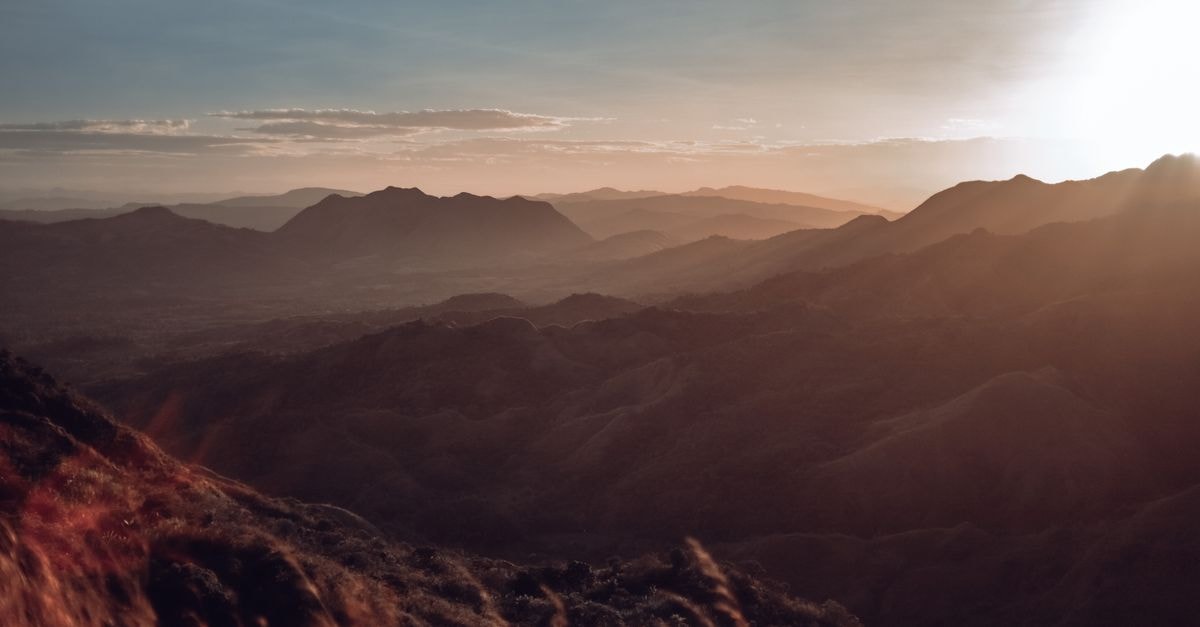
Tucked into the southeast corner of Guinea, Nzérékoré is the capital of the Nzérékoré Region and a gateway into a landscape that feels far removed from the country's coastal lowlands. The surrounding region is widely described as Guinea's forest heart: a setting of dense rainforest, nearby waterfalls, and forested highlands that lend the area a distinctly green, hush-filled atmosphere. Visitors drawn here tend to be travelers curious about cultural heritage, forest scenery, and a slower rhythm of regional life rather than a checklist of polished urban attractions.
This guide sticks to what is firmly supported: the character of the climate, how to approach local transportation, the landmarks visitors commonly hear about, and the role of food in everyday life. Where a detail would need to be verified on the ground before acting on it, that detail is left out.
Weather and seasonal context
Nzérékoré sits in a tropical forest belt, and that fact shapes every part of a visit. Travel guidance for the city describes two broad seasonal moods. The cool dry season runs roughly from November through February, when humidity is lower and conditions on forest trails and dirt roads are easiest to navigate. Outside that window, the climate tilts wetter and cloudier. During cloudy or rainy weather, indoor and protected spaces come into their own, and that is when the sheltered cultural heritage of Nzérékoré takes on a more prominent role for visitors who want a quiet, immersive experience rather than outdoor adventure.
Because conditions can change hour to hour in a forest region, a useful habit is to pace the day around shelter and weather windows. Mornings can offer clearer skies for outdoor plans, while the cultural and indoor side of the city becomes the natural focus when rain settles in. Packing should lean toward layers that handle humidity, quick-dry fabrics, and reliable footwear suited to muddy trails and uneven surfaces.
Getting around
Nzérékoré is not a city where travelers can rely on fixed timetables or widely documented public transit systems. The most useful practical advice is straightforward: plan to check with local travel agencies or reliable transportation providers for the latest information on transportation options, schedules, and safety tips before locking in any movements. That single step tends to save a lot of friction, because routes, road conditions, and availability can shift, especially in and out of forested stretches where dirt roads dominate.
Within the city itself, the rhythm is regional rather than metropolitan. Short distances are typically covered by local means that vary with the day and the neighborhood, so building in extra time for any transfer is wise. For longer movements out of Nzérékoré, the same principle applies: confirm with a local contact or agency on the morning of travel rather than relying on a schedule memorized from elsewhere. A simple, flexible plan that leaves room for the unexpected is the most reliable way to move around this part of Guinea.
Attractions and planning
Nzérékoré is often described as a destination that beckons to be explored, offering a blend of cultural richness and natural wonders, and that framing is the most accurate way to approach an itinerary here. Among the city's most notable landmarks is the Grand Mosque of Nzérékoré, which functions as both a place of worship and a recognizable cultural reference point in the urban landscape. Visitors interested in cultural heritage tend to gravitate toward it as a starting point for understanding the city's identity.
Beyond a single landmark, the area is presented as offering a list of top attractions to visit in Nzérékoré and around it, framing the city as a base for exploring both urban and natural points of interest. The honest way to use that kind of list is to treat it as orientation rather than a fixed schedule: the specific venues and natural sites worth prioritizing will depend on conditions, access, and local guidance at the time of travel.
Because the surrounding region is described as dense rainforest with nearby waterfalls and forested highlands, the practical planning question is less *what* to see and more *how* to see it. Trekking and wildlife opportunities are taken seriously here, which means visitors should expect to arrange routes through people who know the trails, rather than trying to self-navigate unfamiliar forest paths. Building the visit around cultural anchors in the city, then stepping outward with local support, tends to produce a more rewarding experience than chasing a long list of distant sites in a single trip.
Food and local context
In Nzérékoré, food plays an important role in daily life, and that everyday centrality is one of the more rewarding things to observe as a visitor. One of the staple foods in the city is rice, which is served with almost every meal. That single fact quietly shapes a lot of the local dining rhythm: meals tend to revolve around a shared base of rice, with sauces, vegetables, and proteins built around it.
For travelers, the practical takeaway is that trying local food here is more about understanding a pattern than hunting for a specific restaurant or signature dish. Sitting down to a meal in the same rhythm as residents, with rice as the anchor, is itself the experience. Wider Guinea context, including common national dishes and shared mealtime customs, can surface during a stay, and visitors may well encounter those broader food traditions while eating their way through Nzérékoré. The most grounded way to engage is to ask, watch, and follow local lead on what is being served, rather than arriving with a preset menu in mind.
A few final practical notes
Nzérékoré rewards travelers who arrive with a flexible plan and a curious, unhurried attitude. The climate, the transport reality, and the mix of cultural and natural attractions all point toward the same approach: build a loose framework, then adapt to what the city and its surroundings actually offer on the day. Confirm transportation and access details with local contacts, keep outdoor plans responsive to weather, and let the food culture of the city be one of the genuine pleasures of the trip rather than a side note.
A reminder before departure: factual travel conditions can change, and the most reliable way to verify routes, opening arrangements, safety guidance, and any practical detail is to check official channels and local contacts before setting out. Use this guide as a steady starting frame, and refresh the specifics once you are closer to your travel date.
Verification note
This article is built only from approved factual sources and avoids any detail that would require live confirmation, including prices, schedules, closures, or service availability. Where a fact would benefit from a check on the ground, that check is left to the reader.
Share this article
TOOLS FOR THIS PLAN
Make the Nzérékoré plan measurable
Choose a tool only when it answers the next question in your trip. Your values stay in the browser, and each tool offers a route back to this planning context.