A Quiet Harbor on the Gulf of Tadjoura

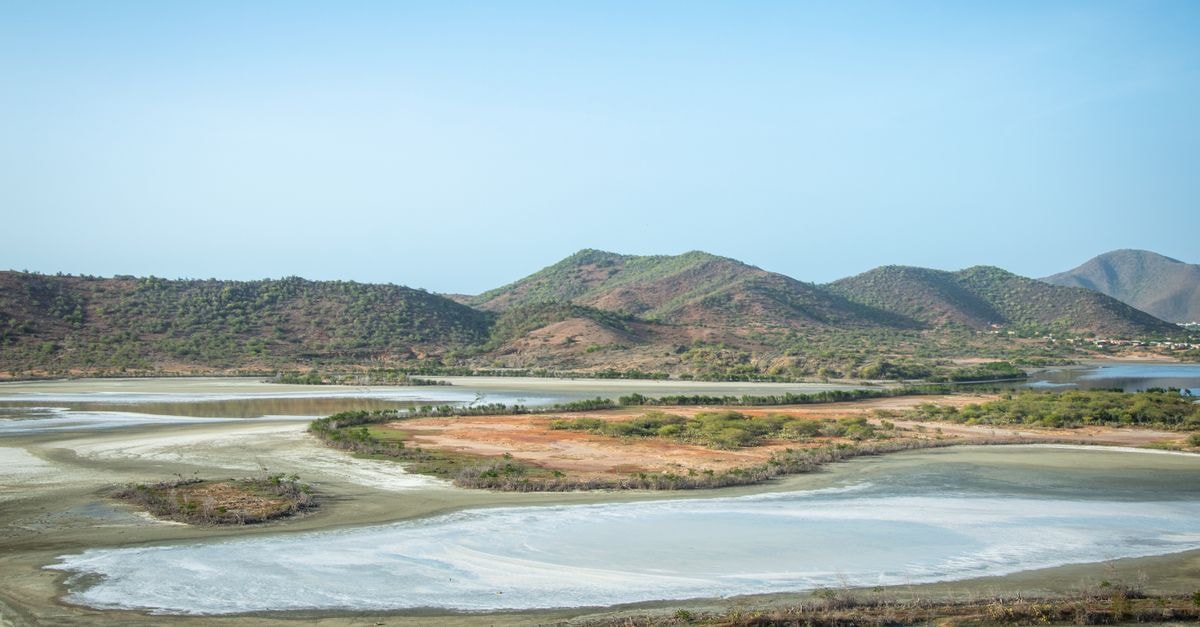
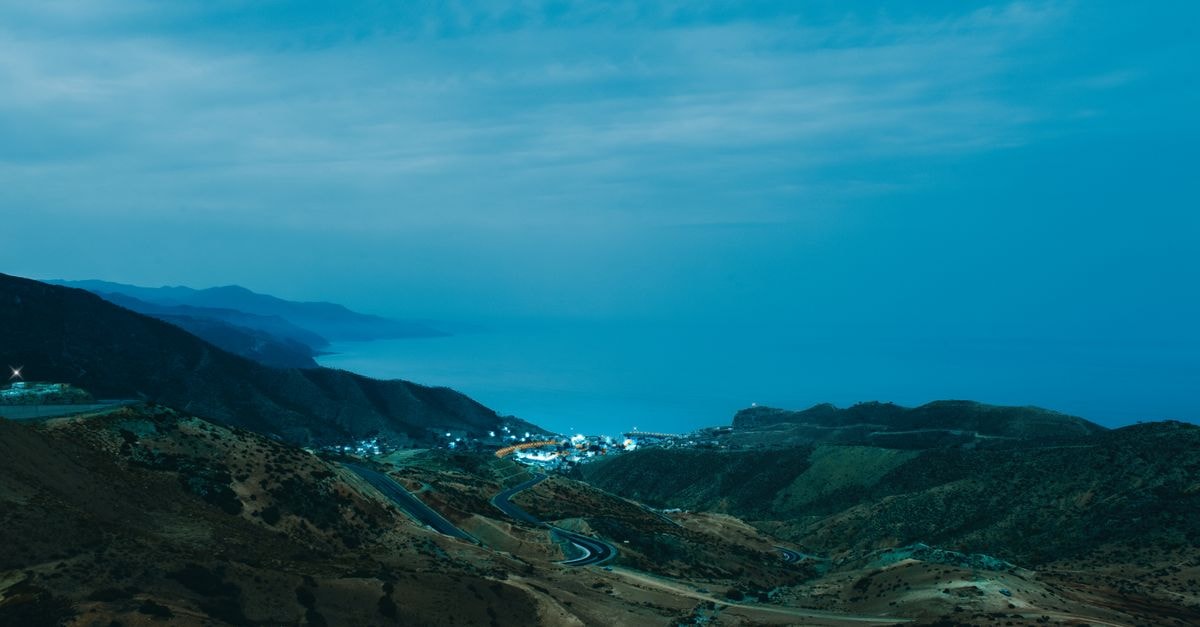
Obock sits on Djibouti's northern coast, a small port town with a sense of stillness that feels far removed from busier corners of the region. The shoreline opens out onto the Gulf of Tadjoura, and the town carries the layered feel of a place that has seen different chapters. In 1884, after the French consul Léonce Lagarde signed a treaty with local sultans, Obock became the territory's first administrative center. That colonial-era role has faded into the architecture and the rhythm of daily life, where the harbor is still the natural focal point. Today, travelers tend to come here for the simplicity: warm waters, a slow pace, and the chance to feel the coastline without the buzz of a larger town.
Weather and Seasonal Context
The climate frames the way most visitors experience Obock. Temperatures run hot through much of the year, and the sea water carries a notably warm feel, which shapes how a typical day along the coast might unfold. Readings around the mid-30s Celsius are common in this part of the coast, with a sea temperature around 31°C, so afternoons by the water can be genuinely inviting rather than bracing. Cloud cover tends to drift across the sky in the daytime hours, offering partial shade without turning the day overcast.
Given how warm conditions typically feel here, it can help to pace the day around the water. Mornings and late afternoons tend to feel more comfortable for walking the harbor area, while the middle of the day invites a slower rhythm near the shore. The sea temperature suggests that the water stays swimmable across the seasons reported in the area, and the clear waters of the northern coast are part of what draws people to spend unhurried hours here rather than rushing through a checklist. If you prefer to avoid the strongest midday heat, consider reserving the brightest hours for shade, a shaded café table, or simply sitting by the water's edge.
A practical note for travelers: weather figures shift day to day, so checking a current forecast close to your trip is a sensible step before you set out. The pattern of warmth and clear sea conditions is the consistent backdrop; the day-to-day variations are best confirmed just before you arrive.
Getting Around
Obock has the feel of a place where getting around is less about a complex network and more about a few straightforward options. Most goods that supply the town are brought from Djibouti City via ferry, which means the harbor is not just a scenic landmark but also a working lifeline. For visitors, this translates into a setting where the waterfront, the small central area, and the nearby shoreline are the natural focus on foot or by short, local rides.
Group transport can be arranged through local operators such as Global Bus Rental LTD, who describe Obock as a historic port town on the Gulf of Tadjoura and Djibouti's original colonial capital, and offer minibus and bus hire for groups moving together. If you are traveling as a small party or planning to reach a specific stretch of coast in one easy hop, this kind of arranged transport can suit a relaxed day plan rather than improvising on arrival.
One thing worth knowing before you go is that Obock has a limited local services footprint. Some travelers who are used to a wide menu of cafés, co-working spaces, or specialty shops in larger destinations may find that the offering here is more modest. If you prefer to have a full digital-nomad setup, multiple food choices, or a busy evening scene within walking distance, it may be worth recalibrating expectations or pairing Obock with time in Djibouti City. For travelers who specifically want quiet shoreline time, harbor walks, and a slower pace, that simplicity can be the point.
Savoring the Coast
Food in Obock tends to follow the harbor. A basic harbourside eatery serving freshly caught fish grilled with local spices is the kind of low-key meal that fits naturally into a visit. There is no need to over-plan this part of the day; the rhythm is to sit near the water, eat simply, and let the town set the pace. Wider Djiboutian food culture places fresh fish, grilled preparations, and spice-forward seasoning at the heart of everyday cooking, so visitors can expect that broader flavor profile to show up in simple harbor meals here as well. It is the sort of dining experience that rewards travelers who enjoy atmosphere as much as menu.
Choosing What Fits Your Trip
Obock suits travelers who are genuinely drawn to a quieter coastal town, harbor scenery, and unhurried time on warm, clear water. It may not be the right fit if you are looking for a dense list of attractions, a busy dining scene, or a full menu of urban services on the doorstep. If you enjoy paced days shaped by the sea, with simple grilled fish and a slow waterfront rhythm, this corner of Djibouti's coast can deliver exactly that. If you would prefer more variety in cafés, shops, or evening options, consider spending part of your trip in Djibouti City and treating Obock as a quieter coastal chapter rather than the whole journey.
A Final Note Before You Go
Factual travel conditions can change, and details such as transport options, ferry schedules, and day-to-day weather are best confirmed through official channels close to your departure. Treat this guide as a starting frame for Obock's character: a calm northern-coast town with a working harbor, warm sea conditions, and a pace that rewards travelers who come for simplicity rather than spectacle.
Share this article
TOOLS FOR THIS PLAN
Make the Obock plan measurable
Choose a tool only when it answers the next question in your trip. Your values stay in the browser, and each tool offers a route back to this planning context.