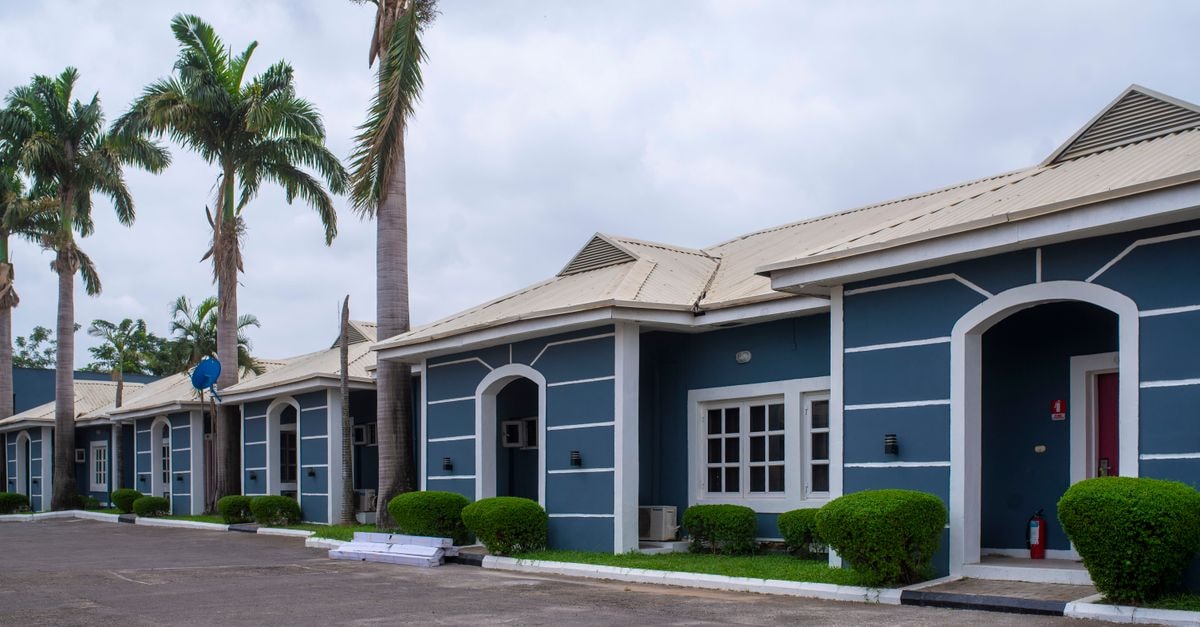
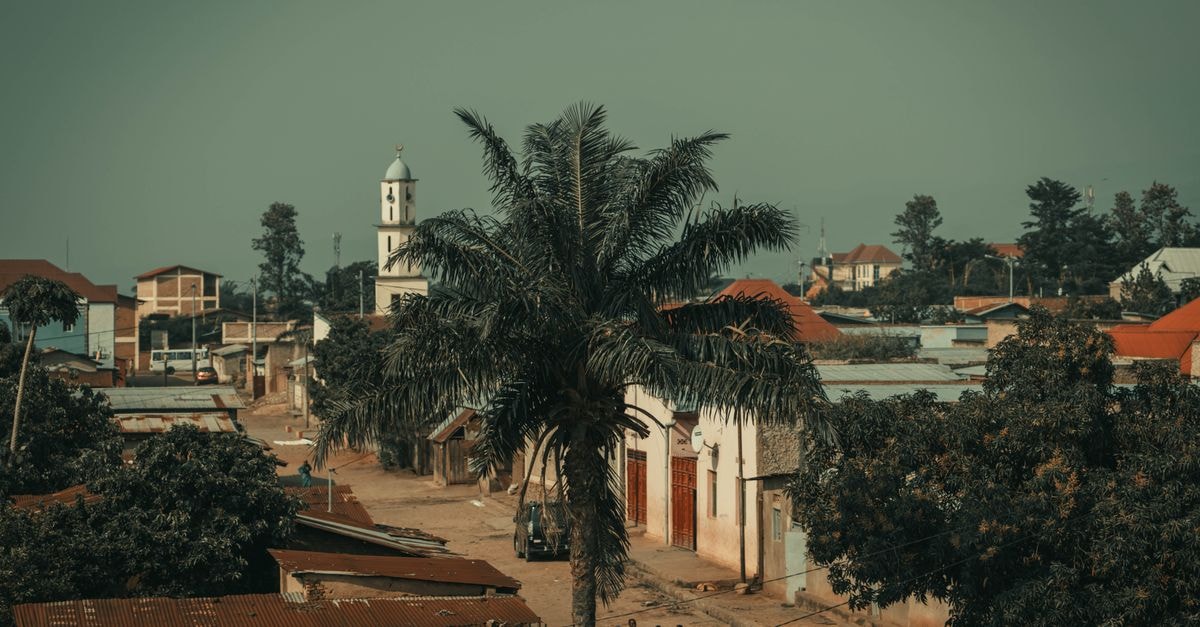
A city shaped by history and steady rhythm

Ogbomoso carries the weight of a long story. The city was founded in the mid-17th century by Ogunlola, a hunter from the Ibariba ethnic group, and grew into a powerful Yoruba city-state under the rule of the Soun dynasty. That lineage still shapes the identity of the place today, and a thoughtful visit feels less like a checklist and more like reading a slow, layered chapter of Yoruba history. Visitors tend to find themselves paying attention to the texture of the city: the way conversation moves, the pace of the streets, and the quiet pride in tradition that lingers in everyday encounters.
This guide is written for travellers who prefer depth over checklists. It gathers what the approved sources actually say about Ogbomoso, from weather context to food culture to getting around, and arranges it in a way that respects how the city feels on the ground.
Weather and seasonal context
Ogbomoso has a tropical climate, and the rhythm of the year is shaped by a long wet season and a shorter dry window. According to the approved weather sources, the city experiences localized flooding during the wet season, which generally runs from April through October, as well as heatwaves in March and April and dust storms from the Harmattan between November and March that can affect air quality. Climate data for Ogbomoso is drawn from ECMWF ERA5 reanalysis, which gives a useful long-term picture of what conditions can feel like across the year.
For visitors, that means a few gentle realities are worth keeping in mind. During the wet months, sudden showers can slow movement and flood low-lying streets, so pacing the day with flexibility tends to feel more relaxed than racing between stops. In the hotter pre-monsoon period, midday heat can be intense, and many travellers find that mornings and evenings are simply more comfortable for being out. During Harmattan months, the dusty haze can dry the air and reduce visibility, which is more an inconvenience than a barrier, but it is the kind of detail that rewards a little preparation.
Because month-specific forecasts are not in the approved ledger, this guide stays focused on the durable patterns: a wetter half of the year, a drier and dustier half, and the heat peaks that sit between them.
Getting around
Ogbomoso is a city that rewards a relaxed approach to movement. The approved transport sources point to a few practical options. Mini-buses, locally known as Danfo or Korope, run on longer fixed routes through the main sections of the city and are generally the cheapest option for longer intra-city journeys. They are informal compared to a scheduled city bus, but they are part of daily life, and visitors who ride them usually get a stronger sense of the city’s ordinary rhythm.
For arrivals, the same sources note that taxi arrangements can be made from Ibadan Airport (IBA) or from bus stations in Ibadan for the transfer into Ogbomoso. This is an important detail for travellers landing in the region, since the city does not sit directly on a major international air corridor. Planning that leg in advance, especially after a long flight, tends to make the first day feel calmer.
A broader travel source covering the area also points to excursions, nearby cities, and tours as possible directions for longer stays. This guide deliberately keeps those suggestions light, because day trips and extended routes depend heavily on personal pace, and the approved evidence does not give specific timings, distances, or guarantees for them.
Attractions and planning
The approved attractions source highlights one specific recommendation worth paying attention to: the Ogbomoso Museum. The same source notes that the ideal time to visit the museum is during the dry season, which typically spans November to March. That timing preference is worth considering when building a trip around cultural stops, since the museum is positioned as a thoughtful window into the city’s story, and pairing it with calmer weather tends to make the visit more comfortable.
Beyond that single museum reference, this guide avoids inventing additional attractions, ticket prices, or opening hours. A traveller who wants to explore further will get more from asking locally, browsing community notice boards, or checking current visitor information once in the city. The Soun dynasty reference from the city’s founding story is itself a thread that curious visitors often follow into conversations, cultural sites, and small landmarks across Ogbomoso.
Food and local context
Food in Ogbomoso sits firmly within Oyo State and broader Yoruba culinary traditions. That context matters because it sets expectations: meals tend to feature familiar staples, hearty soups, and dishes rooted in a long regional cooking culture rather than international fine dining.
The approved food source also makes a candid point. Fine dining establishments, in the international sense, are very limited or not found directly in Ogbomoso. For many travellers, that is actually the appeal. Eating well here usually means local spots, small grills, and neighbourhood kitchens rather than a polished restaurant scene. It is the kind of food experience where curiosity, patience, and a willingness to follow what is cooking that day often matters more than a reservation.
Nationwide Nigerian food culture, which visitors may encounter while in the city, tends to emphasise shared plates, communal eating, and the social rhythm of meals. Framing that as wider Nigerian context rather than a city-specific specialty keeps the description honest and grounded in what the evidence supports.
A practical note before you go
Travel conditions, including weather, transport availability, and opening hours for cultural sites, can change. Before departure, it is worth checking current information through official channels and trusted local contacts. Currency figures or transport costs mentioned anywhere in travel writing should always be treated as a reference only, since rates and prices can shift. The guidance here is meant to support a calm, well-prepared visit, not to replace up-to-date verification on the ground.
A trip to Ogbomoso tends to reward travellers who slow down, listen to the city’s older story, eat with curiosity, and move at a pace that matches the weather and the people. With the right framing, even a short stay can feel less like a stop and more like a meaningful encounter with one of Yorubaland’s enduring cities.
Share this article
TOOLS FOR THIS PLAN
Make the Ogbomoso plan measurable
Choose a tool only when it answers the next question in your trip. Your values stay in the browser, and each tool offers a route back to this planning context.