A Slow-Paced City Between Mountains and Sea

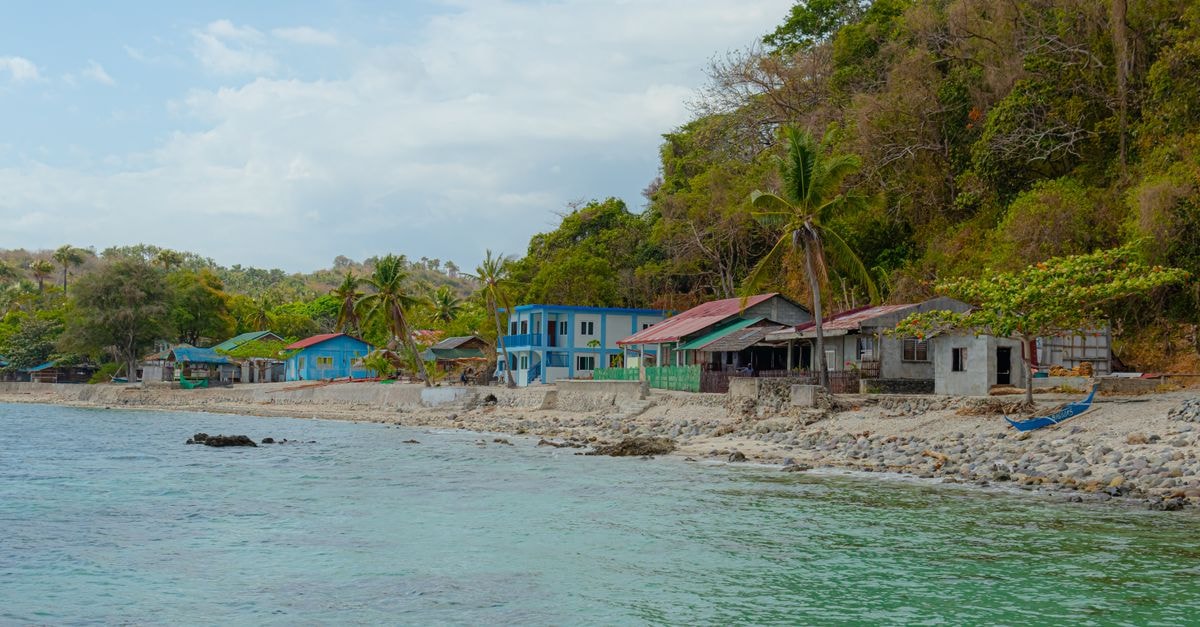
There is something unhurried about Ōita, the capital city of Oita Prefecture on the eastern coast of Kyushu. Mountains rise behind the city and the ocean fronts it, which means a single day here can hold a public bath at the end of a hiking trail in the morning and a plate of something freshly caught by sunset. The city's identity is shaped by that generosity of landscape, and the food culture is shaped by what that landscape produces.
If you are the kind of traveler who likes a base city that quietly anchors a wider prefecture of outdoor adventures and regional cooking, Ōita may suit your plans. Think of it less as a checklist destination and more as a place where a few well-chosen days reward travelers who like scenery and eating in equal measure.
Weather and Seasonal Context
Ōita Prefecture sits where mountain and coastal climates meet, and the local tourism materials are quick to acknowledge that the climate is not uniform across the region. Some districts catch mountain weather, others lean into a milder coastal pattern. The same official framing reassures visitors that the prefecture offers activities and natural scenery year-round, so the question of when to come is really a question of which experience you want to layer on top of your trip.
Because conditions vary by district within the prefecture, it can be useful to check the specific forecast for the area you are heading into on the day, especially if you are planning a longer hike or a coastal drive. Layering is generally a sound idea: mornings in higher elevations can feel cooler than the city center, while a coastal afternoon can warm up quickly. Pacing the day around the weather you actually wake up to, rather than a fixed plan, often works well here.
Attractions and Planning
Ōita's attractions lean into the natural surroundings rather than a dense urban sightseeing list. The mountains near the city, including Mount Yufu and Mount Kuju, are places where hikers can earn their views, while families with children often gravitate toward animal-focused and aquarium-style stops such as the African Safari Park and the Umi-Tamago aquarium. The mix tells you something useful about how to plan: outdoor, scenic mornings pair naturally with the more interactive, animal- and sea-themed afternoons.
If you prefer a trip built around outdoor scenery, the mountain hikes around Ōita may suit your itinerary. If you are traveling with children who need a more playful pace, the wildlife park and aquarium format tends to hold attention better than a long trail day. Either way, you do not need to choose exclusively: many travelers slot a half-day hike into a morning and save the safari or aquarium for the afternoon, when younger travelers tend to have more patience.
A small planning note. Ōita functions well as a base for spreading out across the prefecture rather than as a single-cluster city stop, so consider where you are heading next before booking your nights. The city center works as a launching point for both the mountain areas and the coast, which makes logistics simpler than committing to a single inland or coastal town.
Food and Local Context
Food is one of the strongest reasons to spend time in Ōita. The prefecture is repeatedly described in local materials as a place blessed with both sea and mountains, and that combination shows in what ends up on the table: fresh local ingredients turned into dishes that reflect regional ingenuity rather than a generic Japanese set. The local food guide for the area highlights dishes such as tori-ten, ryukyuu, and shiroshita karei as part of that regional conversation, drawing on sources that include the Ministry of Agriculture, Forestry and Fisheries' "Uchi no Kyodo Ryori" listing for Oita Prefecture, the Hiji Town official website, the prefecture's official tourism information, and the Ministry of Health, Labour and Welfare.
If you like to eat your way into understanding a place, Ōita may suit you precisely because the food culture is described as distinctively local rather than borrowed. Dishes tied to the prefecture's geography, like a freshwater fish preparation from the mountain-influenced areas or a seafood preparation tied to the coast, are part of what makes a visit feel different from neighboring regions. Travelers who enjoy asking servers what is regional and what is not will get a lot out of a meal here.
A practical tip is to look for menus or signage that flag local specialties rather than defaulting to the most familiar Japanese dishes you already know from home. Many regional dishes are not internationally famous, which is part of the appeal. If you are curious, the local tourism website and the regional food guide are good starting points for what to ask about once you are seated.
Wider Japan context that visitors may encounter in Ōita: Japanese restaurants across the country often have set meal patterns around rice, miso soup, pickles, and a main protein, and tipping is not customary. Knowing that broader rhythm can make a regional menu feel less intimidating, because the structure is recognizable even when the specific dishes are new.
Choosing What Fits Your Trip
Ōita rewards travelers who build their days around two anchors: outdoor scenery and regional food. If your priority is hiking, plan the mountain visits first and use the city center as a base for early starts. If your priority is eating, slow down in the city and let a few long meals replace a packed sightseeing schedule. Families often blend both, with a morning trail and an afternoon at the safari park or aquarium, which keeps the day varied without becoming exhausting. Travelers who dislike long transfers may prefer to stay entirely within the city and its immediate surroundings, while those comfortable with a rental car or local rail can use Ōita as a hub for the wider prefecture.
A Note Before You Go
Factual travel details, including opening hours, prices, and operating status of specific attractions and restaurants, can change. Before you set out for Ōita, it is worth checking the official Oita Prefecture tourism site and any individual venue pages for the latest information. For anything this guide does not directly confirm, a quick verification before you go will save you surprises on the road.
Share this article
TOOLS FOR THIS PLAN
Make the Ōita plan measurable
Choose a tool only when it answers the next question in your trip. Your values stay in the browser, and each tool offers a route back to this planning context.