A first impression of Okazaki

If you are a traveler who likes destinations with a sense of rootedness, where family businesses still span generations and the visual texture of the streets tells a story, Okazaki is worth slowing down for. The city does not need to be raced through.
Weather and seasonal context
Okazaki has a rhythm to its year, and the feel of a day here can shift noticeably between the warm, green months and the cooler ones when the air begins to turn crisp. Locals and visitors often describe early autumn as a particularly rewarding time to be in Japan more broadly, when the landscape softens into golds, yellows, and oranges, and Okazaki participates in that wider seasonal shift rather than chasing it for show.
There is a quiet, almost ceremonial quality to this stretch of the calendar, and travelers who enjoy scenery that gradually changes color may find it suits a more contemplative pace. If you prefer stable, predictable weather for walking long stretches outdoors, you might plan heavier outdoor days for the parts of the day that feel most comfortable and leave indoor stops for the rest. Because specific daily temperatures and rainfall totals for Okazaki are not documented in the approved sources for this guide, it is wise to check a current forecast close to your travel dates and to dress in layers that can flex with the conditions.
Getting around
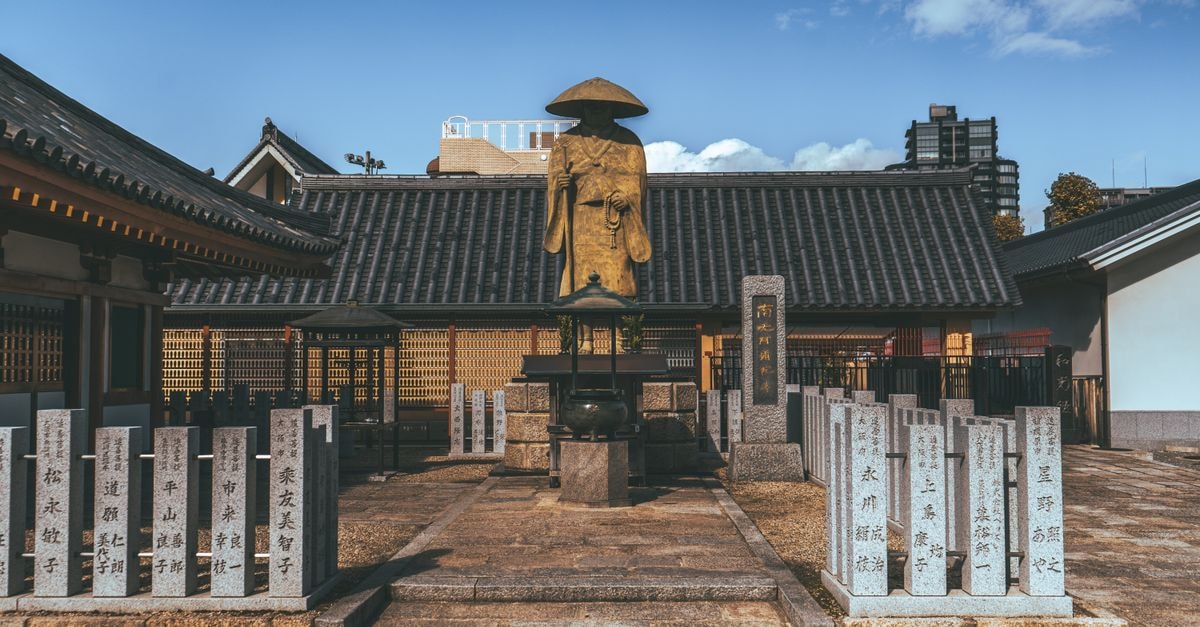
Okazaki's heritage streetscapes are one of its quiet pleasures, and the tiled buildings in the older districts carry that unmistakable weight of continuity. Among the local craft institutions, Kaku is a family business that has been running for 18 generations, and its old tiled buildings are heritage-listed. That kind of generational continuity shapes the texture of the city: places are not just visited, they are inherited and tended.
For travelers, this has a practical implication. Areas with heritage architecture are often pedestrian-friendly by nature, with narrow lanes that reward walking slowly and looking up. If you appreciate craft traditions and the feeling of stepping into a working space rather than a museum exhibit, this is the kind of neighborhood where you may want to linger longer than you originally planned. Visitors who find uneven old pavements tiring may want to pace themselves rather than cover the whole district in one push.
For transit logistics beyond the heritage lanes — current bus routes, station names, ticketing, and timetable details — the approved sources do not provide specifics, so it is best to verify these with official local transit information before you travel.
Food and local context
If you are a traveler who enjoys understanding what is on the plate as much as eating it — who likes to ask about broth bases, seasonal vegetables, or the difference between one type of regional pickle and another — Okazaki's food scene rewards that curiosity. Consider asking locally about what is in season, and let your itinerary flex enough to follow a recommendation from a host, a shopkeeper, or a neighbor. For visitors with strict dietary needs, it is reasonable to confirm ingredients directly, since detailed menus and allergen information for specific Okazaki restaurants are not covered by the approved sources for this guide.
Choosing what fits your trip
Okazaki is best approached as a slow city rather than a sprint. The heritage-tiled buildings and the generational family businesses reward unhurried looking, so travelers who like to match their pace to the pace of the place — rather than racing between headline sights — will get the most out of a visit here. If you prefer destinations where a single neighborhood can fill an afternoon with small discoveries, this may suit you. Visitors who want dense, fast-changing entertainment, long museum marathons, or a tightly scheduled multi-stop day may find the city quieter than expected, and may prefer to combine Okazaki with a broader Aichi route rather than treating it as a standalone high-energy stop. Keep your plan flexible enough to follow a single local recommendation, because that is often where the strongest memory of a trip like this comes from.
A note before you go
Because this is an evergreen guide, specific prices, opening hours, transit timetables, and current conditions for Okazaki are not included. Verify these details through official local sources before departure, and treat any cost estimates you encounter elsewhere as a reference rather than a guarantee. Travel conditions can change, and a quick check on the day can save a wasted stop.
Prices, opening hours, schedules, reservation rules, and local conditions can change; verify them through official channels before departure.
Share this article
TOOLS FOR THIS PLAN
Make the Okazaki plan measurable
Choose a tool only when it answers the next question in your trip. Your values stay in the browser, and each tool offers a route back to this planning context.