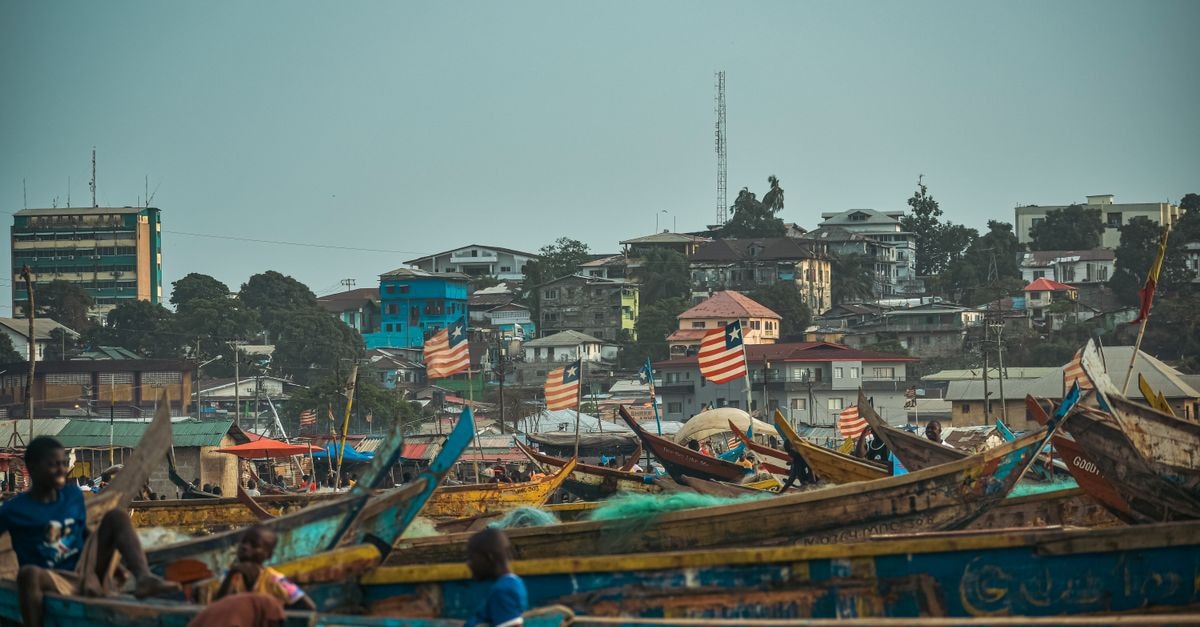
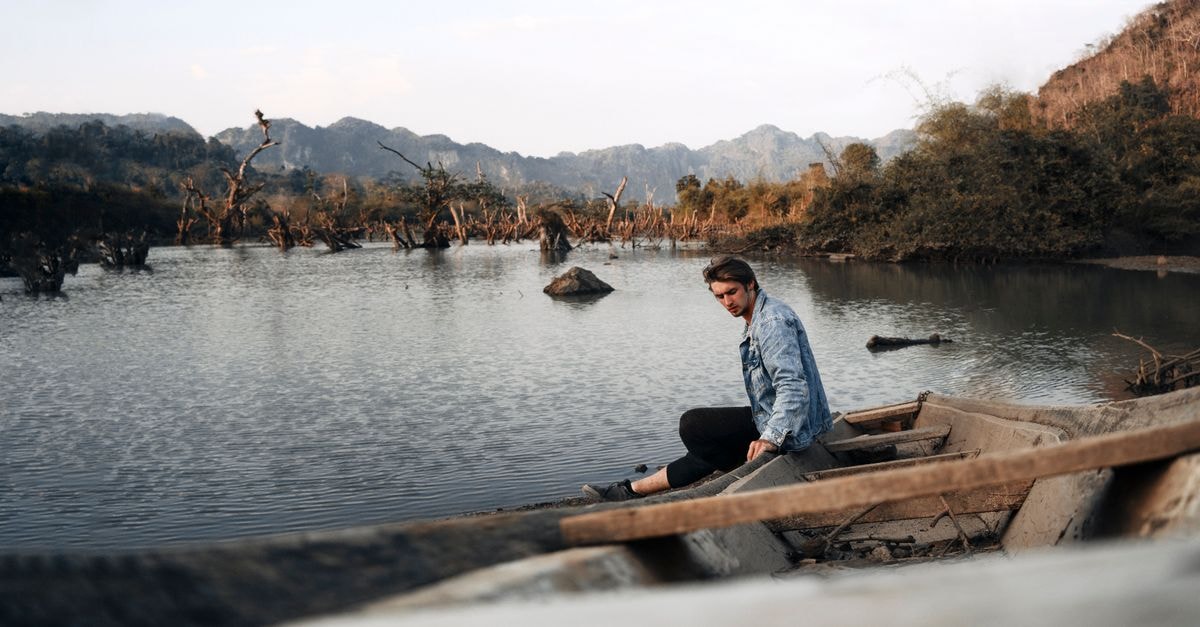
A first look at Ol Kalou

Set in the rolling highlands of Nyandarua County, Ol Kalou carries the unhurried rhythm that often defines Kenya's smaller administrative towns. The town sits within a region that periodically draws national attention — most recently through a state visit by President William Ruto to the Ol Kalou area in Nyandarua County on April 3, 2025, accompanied by traditional dancers [F2-2]. For travelers, that single, well-documented moment is a useful reminder of how cultural performance sits close to public life here: dance is woven into civic occasions rather than staged purely for visitors.
What Ol Kalou offers the independent traveler is space to slow down. The surrounding Nyandarua landscape is known for its green ridges and agricultural patchwork, and the town itself functions as a calm base for anyone passing through Kenya's central highlands. If you prefer somewhere quieter than Nairobi or the coast, and you are comfortable building a trip around local rhythm rather than a packed itinerary, this is the kind of place that can reward that patience.
Attractions and planning
Concrete attractions information for Ol Kalou itself is thin in the available record, so honest planning starts with what is actually documented. The clearest anchor is that the Ol Kalou area has been used as a setting for official cultural and political gatherings — on April 3, 2025, President William Ruto appeared in the area alongside traditional dancers, a moment that placed local performance on a national stage [F2-2].
For a traveler, this matters in practical terms: traditional dance in this part of Kenya is a living practice, not a museum piece, and visitors who time their visit around a local event may see it performed authentically. Because no specific tourist site, ticket, opening hours, or recurring cultural calendar is confirmed in the source material, the safest approach is to ask locally about upcoming community events, ceremonies, or market days rather than to assume any single venue will be open at any given moment.
Planning principles that do follow from the evidence are modest but useful. Treat Ol Kalou as a base for slow exploration rather than a checklist of sights. If you enjoy cultural encounters that are embedded in real civic life — rather than polished for tourists — this setting can suit that interest. If your travel style depends on a dense cluster of named attractions with fixed opening hours, you may want to recalibrate your expectations or look for a larger Kenyan destination with more published infrastructure.
Food and local context
Because there is no city-level food ledger for Ol Kalou, the practical approach is to read national context carefully and apply it locally. Kenya's food culture has a strong regional dimension: culinary character shifts noticeably from one part of the country to another [F5-2]. That countrywide framing is useful here because Ol Kalou sits in a highland agricultural belt, where maize, dairy, potatoes, leafy greens and stewed beans tend to feature in everyday meals — though any specific Ol Kalou dish, market or menu item is not confirmed in the available record.
Wider Kenyan dining customs are worth knowing as background. Meals in Kenya often revolve around a staple such as ugali (a stiff maize-meal porridge) served alongside stews, vegetables or protein, and tea is a common companion throughout the day. The national culture carries what one widely used reference describes as "the scent of wood smoke and ocean salt in one breath" — a line that captures the breadth of Kenyan cooking across regions, even though Ol Kalou is landlocked and far from the coast [F5-1].
Official reference material on Kenya, last updated in February 2026, also confirms basic country identifiers including the official name Republic of Kenya and the capital Nairobi [F6-2]. For visitors, the takeaway is not to memorize numbers but to recognize that Ol Kalou sits within a country of striking geographic and culinary variety — variety that does not always translate into urban amenities.
If you prefer to eat where locals eat rather than in dedicated tourist restaurants, that approach tends to suit a highland town like Ol Kalou. Consider asking for recommendations on simple hotel-restaurant kitchens or roadside choma spots; specific names, prices and hours are not part of the approved record, so a short conversation with hosts or neighbors is the most reliable route. Travelers who require a wide range of international cuisines, late-night dining or fully vegetarian menus in every restaurant may find options narrower than in Nairobi and should plan accordingly.
Building a day that fits the place
Because attractions infrastructure in Ol Kalou is lightly documented, the shape of a good day here is intentionally loose. A practical rhythm is to spend mornings walking through the town and its immediate surroundings, pause for a long midday meal, and reserve late afternoon for conversations with residents or a visit to a local market if one is running. This is not a destination where a tight schedule pays off; the reward is in unhurried observation.
Travelers who enjoy photography of everyday rural life, light hiking in green highland scenery, or simply sitting on a veranda with tea and a view may find Ol Kalou a good fit. Travelers who need structured guided tours, multiple paid museum entries or a dense nightlife scene within the town may want to balance their time between Ol Kalou and a larger Kenyan city.
A short verification question worth asking before you travel — and ideally before you book — is whether any specific community event, market day or cultural performance is scheduled during your visit. Asking a local contact, your accommodation, or a regional tourism office is the most direct way to find out, since no fixed public calendar is confirmed in the source material.
A note on costs, weather and changing conditions
This guide does not include a daily budget figure because the approved record does not contain a clear cost scope for Ol Kalou. Prices for food, transport and lodging in smaller Kenyan towns vary widely with season, road conditions and fuel prices, so it is more reliable to confirm current rates on arrival or with your accommodation in advance. Currency exchange rates fluctuate, and any figure you see before travel should be treated as a reference only — always check the live rate at the time of exchange.
Weather and seasonal framing are deliberately left out of this guide. Long-term climate data for the Nyandarua highlands can support only general advice such as dressing in layers and pacing outdoor time around cooler highland mornings, but specific temperatures, rainfall figures or current conditions for any particular month are not part of the approved evidence. Treating Ol Kalou as a year-round destination with variable weather is the most accurate approach.
Factual travel conditions can change. Before departure, check official channels for road access, local advisories and any updates that might affect transport, markets or community events in Nyandarua County.
Share this article
TOOLS FOR THIS PLAN
Make the Ol Kalou plan measurable
Choose a tool only when it answers the next question in your trip. Your values stay in the browser, and each tool offers a route back to this planning context.